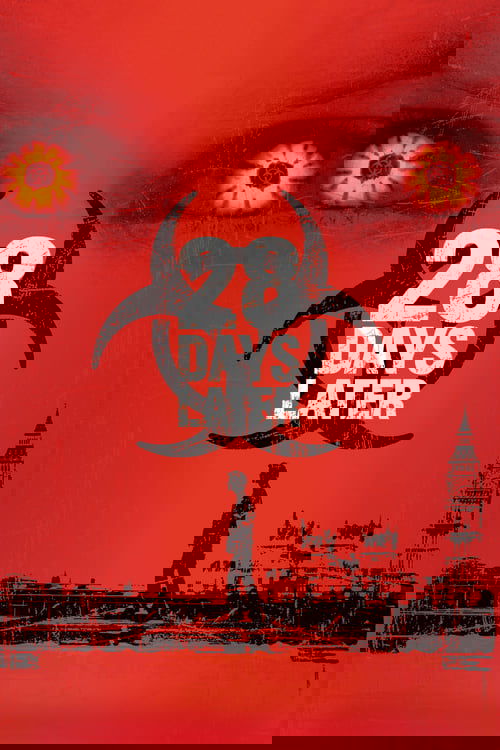
28 Days Later
2002
No user ratings available yet
Representation score: 8.2 out of 10

Representation Score
Fair
2007
RDirector
Juan Carlos Fresnadillo
Runtime
99 minutes
Average Rating
No ratings yetNew Showbiz Analysis
28 Weeks Later is a high-tension genre piece that prioritizes visceral survivalism over multi-layered narrative architecture. It deconstructs traditional patriarchal and military hierarchies, showing how established power structures fail under extreme duress. However, the film lacks significant diversity in terms of race and LGBTQ+ identity. The casting follows a conventional model for the horror genre, focusing on a more homogeneous demographic of military and refugee characters. Ultimately, the film's strength lies in its critique of institutional competence and the fragility of social contracts, even as it remains anchored in traditional nuclear family structures.
Category Breakdown
The film focuses strictly on heterosexual and cisgender relationships, with no presence of queer subtext or non-cisgender identities. There is no indication of LGBTQ+ characters or themes.
Initially, the film presents a traditional male protector archetype, but it later disrupts this hierarchy. The female lead, Alice, evolves from a passive victim to a central driver of the survival narrative, taking control of her fate.
The cast is predominantly homogeneous, focusing on specific American and British military and refugee groups. Despite a diverse geopolitical context, the on-screen representation lacks significant racial blending.
The narrative critiques Western institutions and military containment protocols, highlighting how traditional social contracts and organized authority fail during systemic collapse.
Physical trauma and the virus are used primarily as horror clichés, defining characters by their ability to fight or flee rather than their lived experiences with disability.
Present on Screen
Limited or Absent
Official Synopsis
Twenty-eight weeks after the spread of a deadly rage virus, the inhabitants of the British Isles have lost their battle against the onslaught, as the virus has killed everyone there. Six months later, a group of Americans dare to set foot on the Isles, convinced the danger has passed. But it soon becomes all too clear that the scourge continues to live, waiting to pounce on its next victims.
2002
1998
2008
2016

2007

1985
2012
2011
No reviews yet. Be the first to share your thoughts on this movie!
Use the rating form above to leave a star rating and optional review.