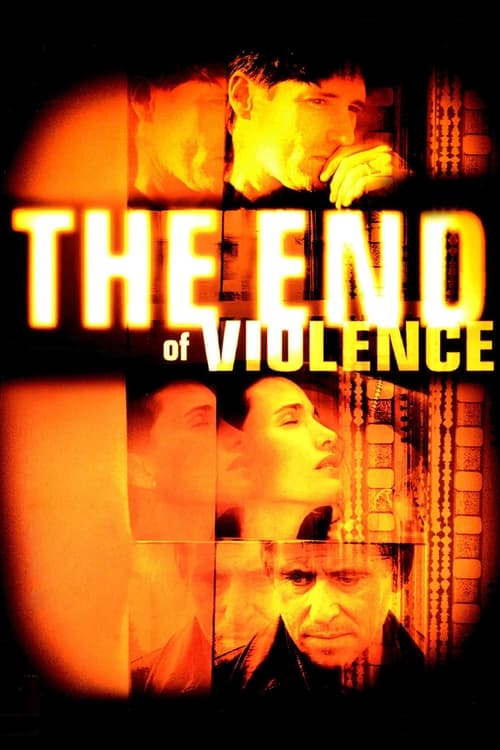
The End of Violence
1997
No user ratings available yet
Diversity score: 5.4 out of 10
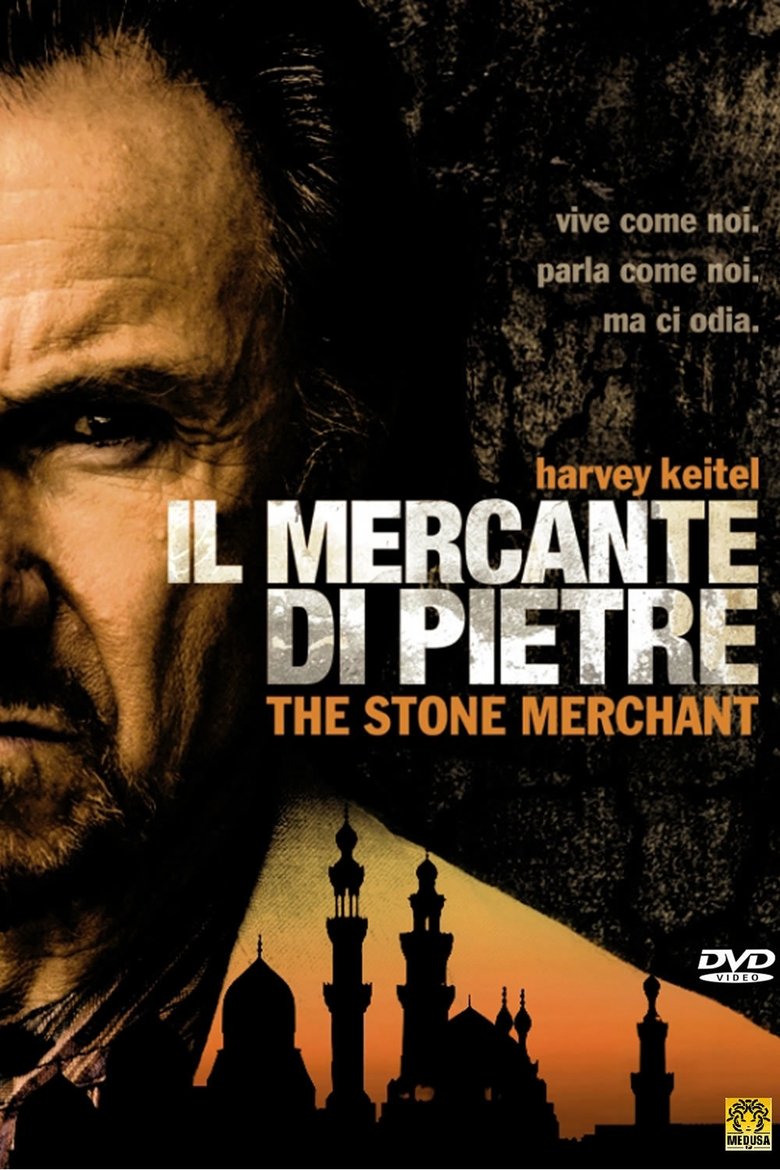
2006
RDirector
Renzo Martinelli
Runtime
120 minutes
Average Rating
No ratings yetSynopsis
The Merchant (Harvey Keitel) is a Westerner. A merchant dealing in precious stones from Afganistan and Turkey. He's above suspicion. In truth, the "Stone Merchant" is a Christian convert into Islam. He's rich, cultured, fascinating. Leda (Jane March) is a successful woman who works as Head of the Public Relations for a big company. She's married to Alceo, a professor at the Sapienza University, specialized in the history of terrorist movements. Alceo is on a wheel chair. He lost his legs in the attack to the American Embassy in Nairobi in 1998. Shahid is a terrorist. Now he's planning an attack along the English Channel. Their lives, their destinies cross in Turkey, where Leda and Alceo are on holiday. And the plot will go on to Rome and Turin till the epilogue of the attack on the ferry boat.
Overall Score
Good
Category Breakdown
LGBTQ+ Representation
The film lacks explicit focus on LGBTQ+ identities or non-heteronormative structures. Social and romantic dynamics center on traditional pairings, offering no visible queer subtext or non-cisnormative character arcs.
Gender Representation
Leda provides a strong departure from submissive feminine tropes. As a high-functioning Head of Public Relations, she possesses significant agency and social standing, acting as a central driver in the plot.
Racial & Ethnic Diversity
The narrative challenges the East vs. West binary by centering a Westerner who has converted to Islam. This approach complicates traditional racial archetypes and avoids monolithic cultural depictions.
Religious & Cultural Diversity
The film engages deeply with geopolitical complexities and systemic instability. It avoids caricatures, instead treating religious and political tensions as products of complex, layered global histories.
Disability Representation
Alceo offers meaningful representation as a scholar rather than a passive figure. His physical disability is integrated into his professional identity and personal history, granting him intellectual agency.
Strengths
Areas for Improvement
AI Analysis
The Stone Merchant succeeds as a sophisticated geopolitical drama that avoids the pitfalls of tokenism. By weaving together religious conversion, professional female agency, and the lived reality of disability, the film creates a layered, intersectional narrative. While the film remains conventional in its romantic structures, it excels in complicating cultural boundaries. The protagonist's identity and the inclusion of a disabled scholar provide a nuanced perspective on global conflict. Ultimately, the work moves beyond simple Western-centric storytelling to explore the fragility of institutions and the complexity of modern identity.
1997

1994

2019

1996

2021

2008

2010

2025
2017

2006

2019

1985
No reviews yet. Be the first to share your thoughts on this movie!
Use the rating form above to leave a star rating and optional review.