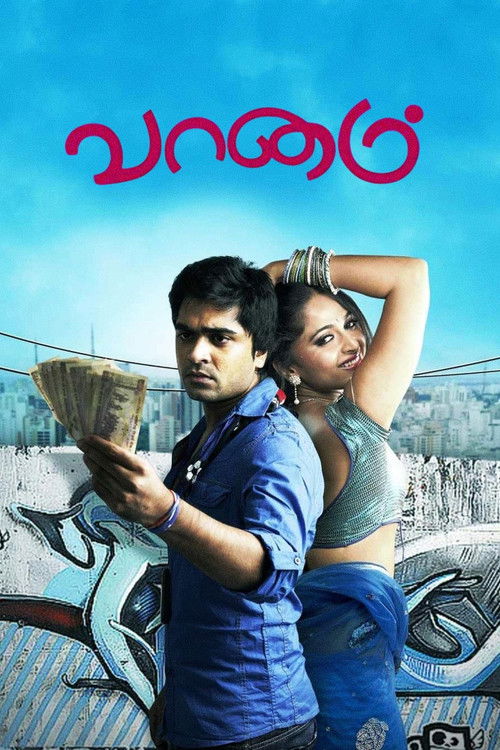
Vaanam
2011
No user ratings available yet
Representation score: 3.9 out of 10

Representation Score
Fair
2010
Not RatedDirector
Radha Krishna Jagarlamudi
Runtime
141 minutes
Average Rating
No ratings yetNew Showbiz Analysis
Vedam is a powerful social commentary that uses an anthology-style structure to examine systemic stratification. By placing diverse characters from different socioeconomic backgrounds in a high-stakes hospital siege, the film dismantles monolithic views of truth and authority. The narrative excels at highlighting the interplay between caste and class hierarchies, providing a nuanced critique of how social standing influences human experience. However, the film remains limited in its representation of LGBTQ+ identities and specific disability portrayals, focusing primarily on class, religion, and gendered struggles.
Category Breakdown
The film does not include explicit representations of LGBTQ+ characters or non-traditional gender identities. Instead, it focuses on traditional social roles and religious or class-based identities.
Women play central roles in the narrative, portrayed through characters such as a runaway prostitute and a woman struggling with debt. These roles highlight the tension between personal autonomy and patriarchal expectations.
The film emphasizes characters from underrepresented castes and lower socioeconomic strata within the Indian context. By centering these characters, it challenges the dominance of upper-caste narratives.
The story critiques rigid institutions like the caste system through a lens of moral relativism. A hospital siege serves as a metaphor for the breakdown of established social orders.
There is no evidence of specific, characterized disabilities or neurodivergent portrayals. The film focuses on physical and psychological trauma rather than long-term disability representation.
Present on Screen
Limited or Absent
Official Synopsis
Five people from varied strata of society – a slum dweller who works as a cable operator, a runaway prostitute, a desperate woman drowning in debt, a rising musician, and a grief-stricken Muslim man – end up together in the same hospital, at a time when it is attacked by terrorists.
2011
2016
2026
2005
2010
1994

2017
2012
No reviews yet. Be the first to share your thoughts on this movie!
Use the rating form above to leave a star rating and optional review.