The Lives of Others
2006
No user ratings available yet
Representation score: 5.7 out of 10
Representation Score
Fair
1996
RDirector
Christopher Hampton
Runtime
95 minutes
Average Rating
No ratings yetNew Showbiz Analysis
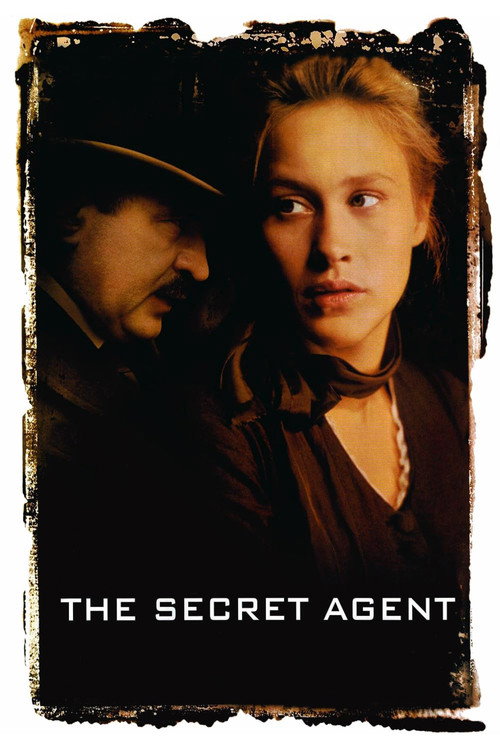
The Secret Agent is a period psychological thriller that prioritizes narrative disruption over broad demographic representation. It avoids heroic Victorian melodrama, opting instead to deconstruct the domestic unit and critique the political systems of the era. While the film lacks modern diversity in terms of race and LGBTQ+ representation, it offers a sophisticated view of situational ethics. It challenges the idea of state institutions as inherently benevolent by focusing on the moral gray areas of espionage and anarchism. Ultimately, the film's strength lies in its psychological depth and its refusal to present traditional Western authority as an uncomplicated moral good, even as it remains historically homogeneous.
Category Breakdown
The film adheres to the assumption that everyone is straight or cisgender, with no presence of non-traditional gender identities or same-sex relationships.
The narrative challenges traditional masculinity by portraying Verloc as deceptive and unstable. It emphasizes Winnie’s internal experience and the trauma she faces.
The cast is predominantly white and European, reflecting the historical constraints of 1880s London. The film maintains a homogeneous depiction of the era's urban socioeconomic environment.
The plot explores moral relativism by centering on anarchist movements and clandestine intelligence operations. It critiques state institutions and presents patriotism as a complex, compromising force.
There are no prominent depictions of visible or invisible disabilities. Character struggles are primarily psychological and political rather than centered on physical or neurodivergent impairments.
Present on Screen
Limited or Absent
Official Synopsis
In 1880s London, pornographic bookseller Verloc is a double agent for the Russian government, providing information to Chief Inspector Heat about a lazy anarchist organization. In order for the anarchists to be arrested, an act of terrorism must occur. So Verloc decides to set up bombs – which leads to tragedy – not only for himself but also for his family, including wife Winnie and brother-in-law, Stevie.
2006

1990
1997
2009

1973
2025
1989

1960
No reviews yet. Be the first to share your thoughts on this movie!
Use the rating form above to leave a star rating and optional review.