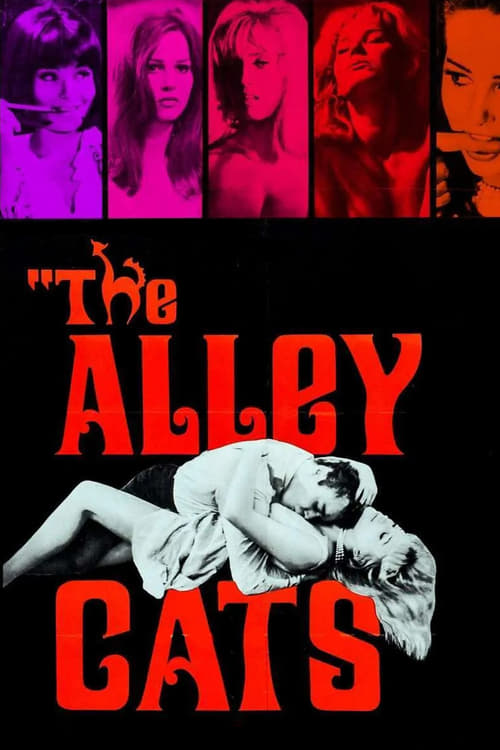
The Alley Cats
1966
No user ratings available yet
Representation score: 5.6 out of 10

Representation Score
Limited
1965
Director
Radley Metzger
Runtime
82 minutes
Average Rating
No ratings yetNew Showbiz Analysis
The film centers on a female protagonist, Garance, who exerts control by navigating encounters with various men in Paris. This structure disrupts traditional hierarchies by making her the primary driver of social interaction. While the film explores themes of sexual liberation and challenges rigid moral frameworks, it lacks specific evidence regarding LGBTQ+ identities or racial diversity. The setting suggests a cosmopolitan atmosphere, yet the cast appears to follow standard 1960s European demographics. Ultimately, the work prioritizes individual desire and sensory experience over institutional values, though it remains limited in its representation of disability and diverse ethnic backgrounds.
Category Breakdown
The film examines unconventional social dynamics and sexual freedom typical of mid-1960s European dramas. However, it does not explicitly confirm any queer narratives or non-straight gender identities.
Garance serves as the central figure of the narrative, navigating interactions with various male characters. This positioning gives her significant control over the social and romantic dynamics of the evening.
Set in cosmopolitan Paris, the film lacks evidence of a diverse or non-Anglo-Saxon cast. It seems to follow the demographic norms of 1960s European cinema.
The story embraces moral relativism and secular human behavior over traditional Christian values. It focuses on individual, potentially transgressive experiences within a Parisian bistro setting.
There is no evidence of characters with visible or invisible disabilities within the narrative.
Present on Screen
Limited or Absent
Official Synopsis
In Paris, the City of Love, Garance can be found each night on the Champs-Elysees, or in a small bistro. This evening, Garance will entertain a shy young student, a hot-headed sadist, and an older gentleman.
1966

1980
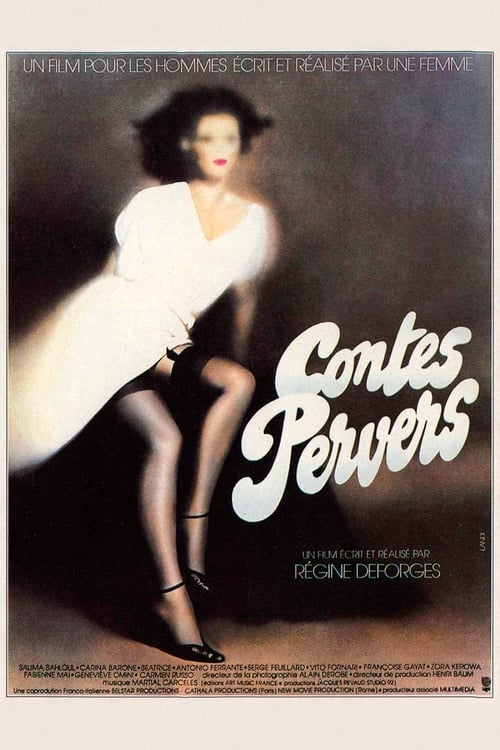
1980

1956
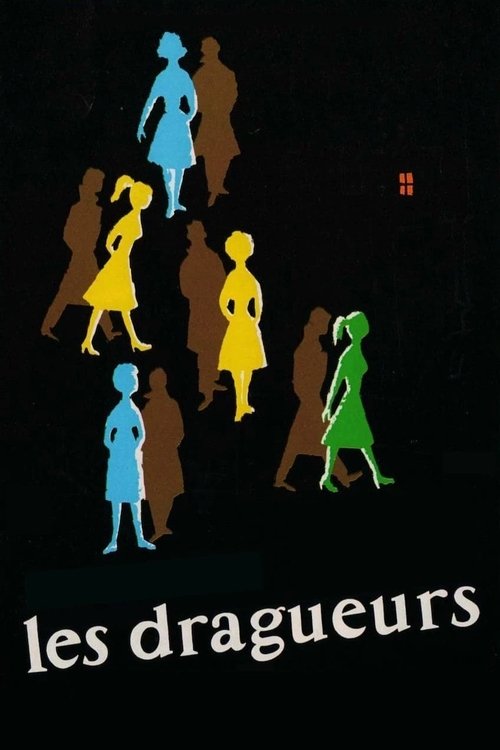
1959
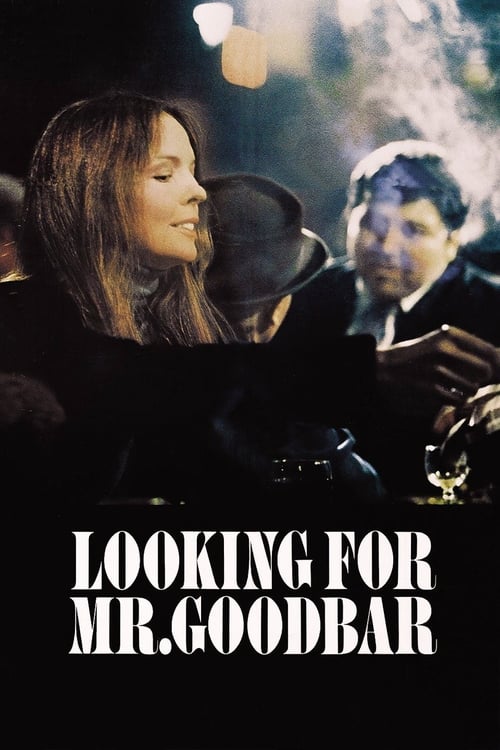
1977
1969
1974
No reviews yet. Be the first to share your thoughts on this movie!
Use the rating form above to leave a star rating and optional review.