
The Baader Meinhof Complex
2008
No user ratings available yet
Representation score: 6.6 out of 10
Representation Score
Good
2002
Director
Ben Lewis
Runtime
70 minutes
Average Rating
No ratings yetNew Showbiz Analysis
The documentary stands out by challenging traditional power structures, especially through its portrayal of women as key political figures. It avoids a typical 'law and order' viewpoint, opting instead to explore the radicalized identities of its subjects through a systemic lens. However, the film's specific historical and geographic focus limits its demographic range, resulting in lower scores for racial and LGBTQ+ representation. Ultimately, the film offers high cultural value by questioning state authority and succeeds as a study of ideological conflict rather than a broad demographic survey.
Category Breakdown
The film centers on the militant activities of the Baader-Meinhof group and does not focus on LGBTQ+ identities or non-traditional gender expressions within the main historical narrative.
The narrative highlights the leadership roles of women such as Gudrun Ensslin, showing them as central architects of political strategy rather than in submissive roles.
Set in 1970s West Germany, the film reflects the era's demographic homogeneity. Although it discusses anti-colonialism, the subjects and interviewees remain demographically limited.
The documentary critiques Western institutions by focusing on the group's subjective ideological framework. It uses archival files to challenge the perceived infallibility of the state.
The film touches on the psychological toll of incarceration and militant life but treats these issues as political motivations rather than dedicated explorations of disability.
Present on Screen
Limited or Absent
Official Synopsis
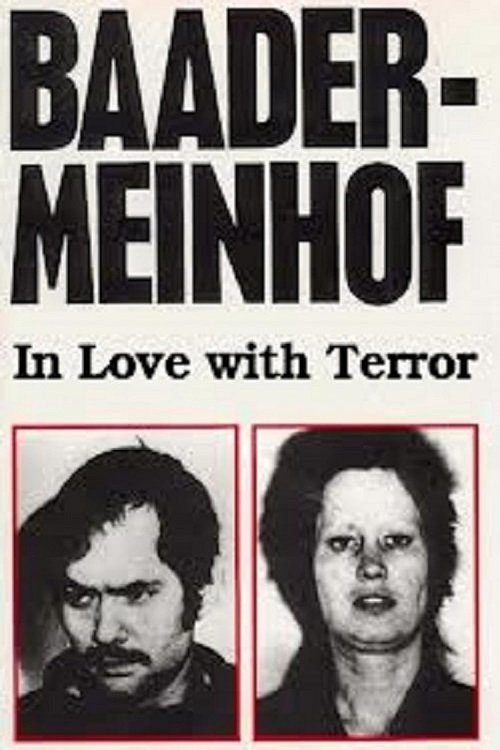
In October 1977, the leadership of the German leftwing terrorist group Baader-Meinhof, died in a German high-security prison. Their apparent suicides hailed the end of a long and bloody struggle to start a revolution in one of the world's richest democracies. 25 years on In Love With Terror traces this astonishing story through extraordinary interviews with former group members, never-before seen archive footage, secret police reports and obscure government files.
2008

2012
1978

2012
2023

2010

1986

2011
No reviews yet. Be the first to share your thoughts on this movie!
Use the rating form above to leave a star rating and optional review.