Pete Kelly's Blues
1955
No user ratings available yet
Representation score: 1.0 out of 10
Representation Score
Good
2006
RDirector
Bryan Barber
Runtime
121 minutes
Average Rating
No ratings yetNew Showbiz Analysis
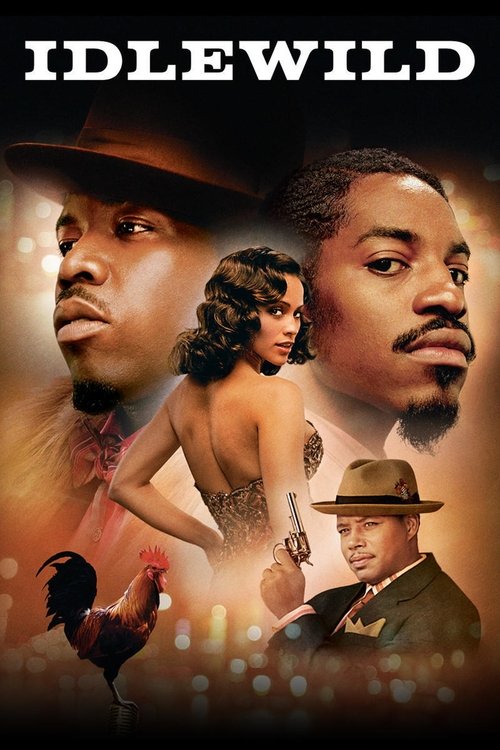
Idlewild stands out as a vibrant, mythic exploration of the mid-century African American musical landscape. It successfully disrupts conventional period-piece clichés by centering a Black community and its socioeconomic ecosystem, offering a sophisticated look at cultural resilience during the Jim Crow era. While the film excels in racial representation and grants female characters significant influence, it remains limited in other areas. The lack of explicit LGBTQ+ identities and the absence of disability representation prevent a higher overall score. Ultimately, the film's strength lies in its refusal to center white perspectives, instead using the struggle for artistic autonomy to critique the systemic constraints of the era.
Category Breakdown
The film does not prominently feature LGBTQ+ identities or include explicit queer narratives. Rooster’s flamboyant behavior is noted but not defined as a specific sexual orientation, keeping the characters within conventions that assume everyone is straight.
Women musicians play a significant role in driving the story, maintaining influence over their professional and social lives. They are not sidelined into passive roles.
The film highlights a Black-centric socioeconomic ecosystem, placing Black characters in all central roles. This challenges the traditional white perspective often seen in period dramas.
The story provides a nuanced look at Jim Crow-era social norms and the racialized limitations of the music industry. It emphasizes the Black experience as a form of resistance against systemic oppression.
There are no prominent or central depictions of physical or neurodivergent disabilities that drive the plot or character development.
Present on Screen
Limited or Absent
Official Synopsis
A reticent piano player Percival, along with Rooster, his flamboyant lead performer and manager, struggle to keep their speakeasy, in the Prohibition-era South, out of the hands of gangsters who want to take it over.
1955
1972
1932
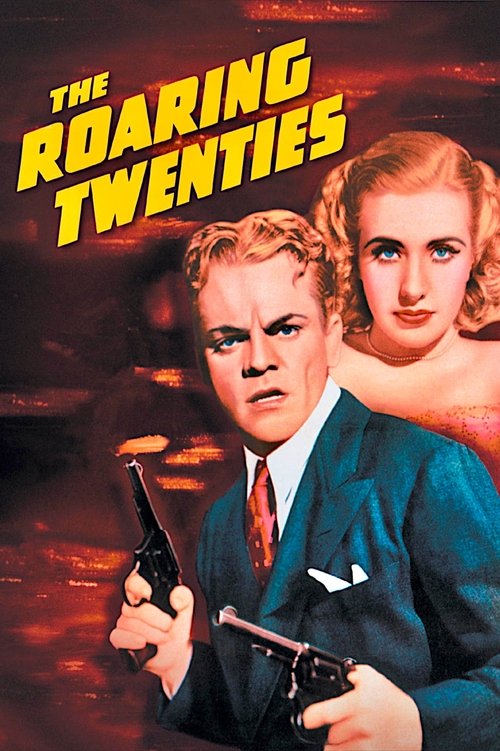
1939
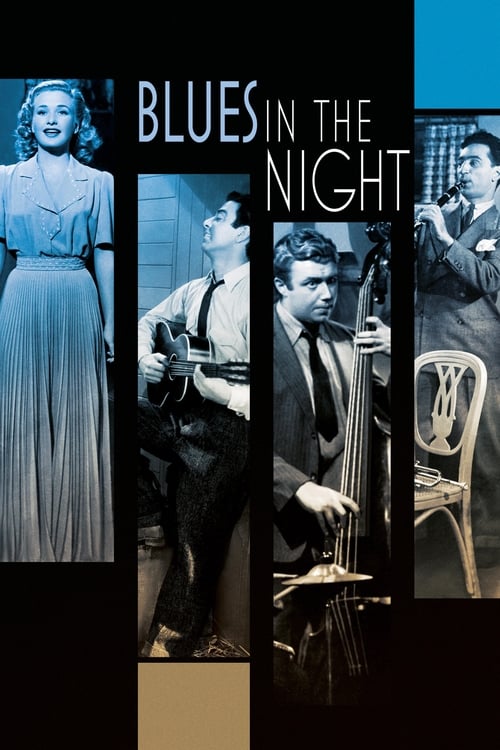
1941
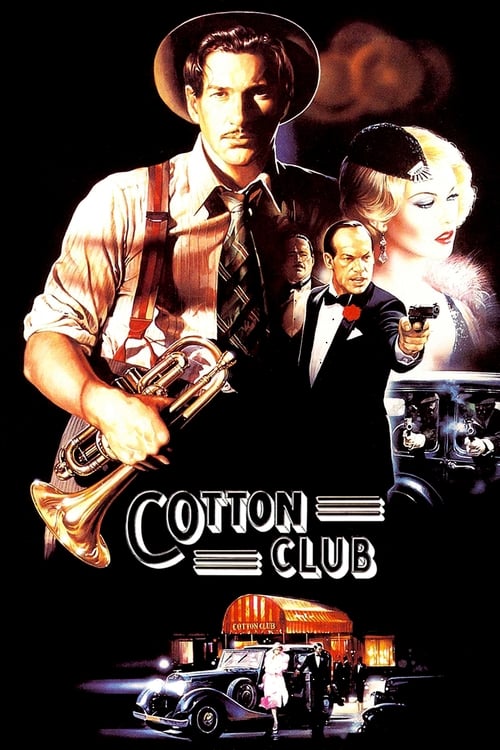
1984
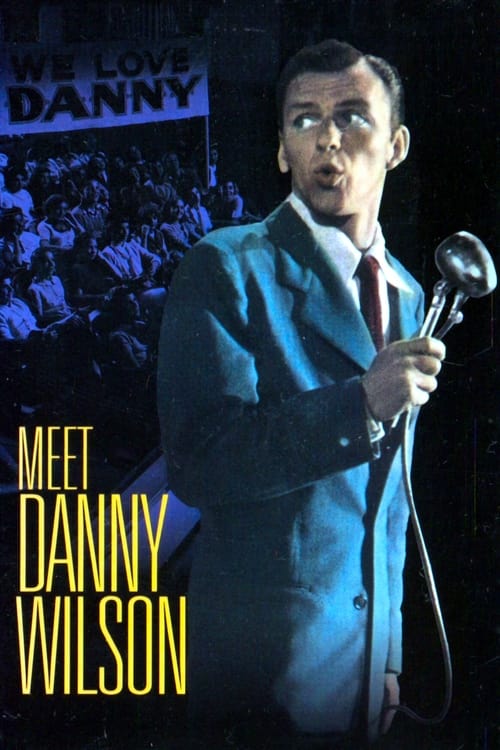
1952
1988
No reviews yet. Be the first to share your thoughts on this movie!
Use the rating form above to leave a star rating and optional review.