
Meet Danny Wilson
1952
No user ratings available yet
Representation score: 2.5 out of 10
Representation Score
Minimal
1955
NRDirector
Jack Webb
Runtime
95 minutes
Average Rating
No ratings yetNew Showbiz Analysis
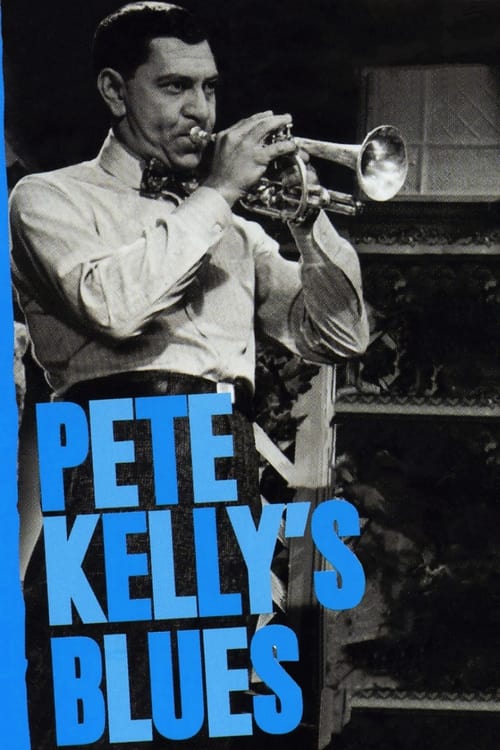
Pete Kelly's Blues is a classic example of mid-1950s filmmaking, emphasizing traditional storytelling and reflecting the societal norms of the time. The film upholds established cultural structures without challenging them. The representation leans heavily towards a white, male-dominated perspective. While the film incorporates Black musical traditions, the casting and character development reflect the limitations of the period, relegating Black characters to supporting roles. Overall, the film lacks depth in representing diverse identities and non-traditional perspectives. It remains a conventional piece of mid-century storytelling.
Category Breakdown
The film doesn't include any LGBTQ+ characters or non-straight relationships. It focuses solely on heterosexual dynamics.
The story revolves around the male protagonist, Pete Kelly, whose actions drive the plot. Female characters mainly support him or act as romantic interests without much independence.
The film highlights jazz and blues traditions but features a predominantly white cast in leading roles. Black musicians are shown in supporting roles within the music.
The movie aligns with mid-century American values, emphasizing patriotism and institutional stability. It follows a typical moral storyline consistent with the era's standards.
The film doesn't depict any physical, sensory, or neurodivergent disabilities. Characters are portrayed as fully able-bodied throughout.
Present on Screen
Limited or Absent
Official Synopsis
In 1927, a Kansas City, Missouri cornet player and his band perform nightly at a seedy speakeasy until a racketeer tries to extort them in exchange for protection.
1952

1958
1941

1932
2006

1939
1951

1950
No reviews yet. Be the first to share your thoughts on this movie!
Use the rating form above to leave a star rating and optional review.