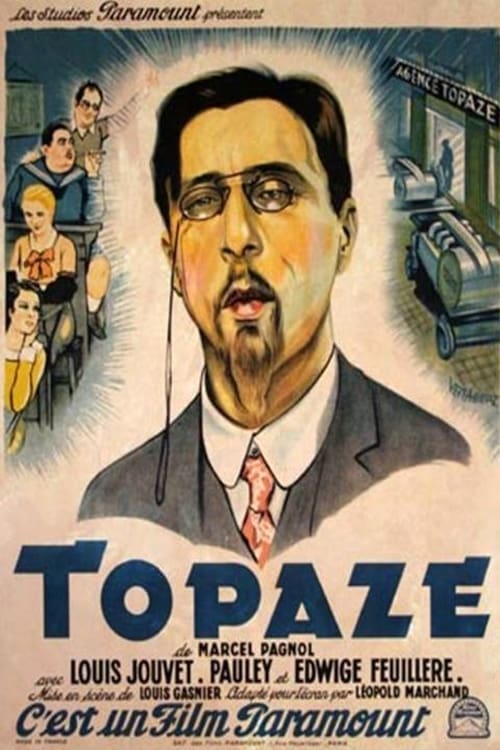
Topaze
1933
No user ratings available yet
Representation score: 1.7 out of 10
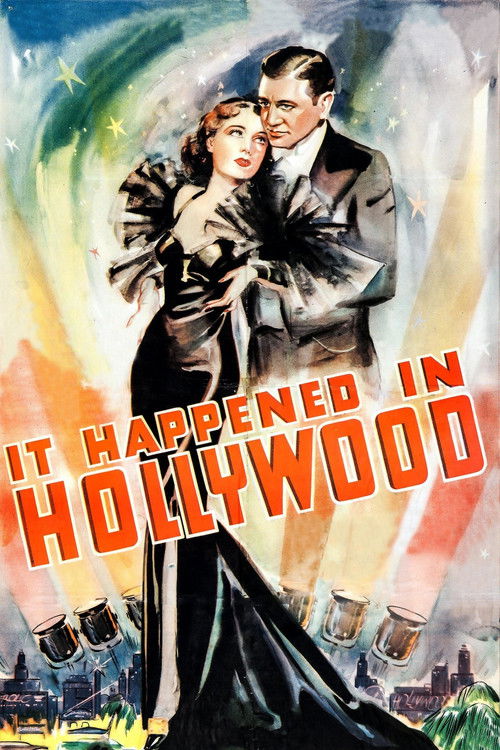
Representation Score
Limited
1937
NRDirector
Harry Lachman
Runtime
67 minutes
Average Rating
No ratings yetNew Showbiz Analysis
This 1937 drama serves as a period piece reflecting the rigid social and industrial structures of the studio era. The narrative is centered around the technological shift from silent films to 'talkies,' focusing on the professional survival of a Western star. The film lacks depth in representing diverse identities, adhering to the era's standard of white-centric casting and conventional gender roles. It functions more as a study of industry stability and stardom than a vehicle for social change. Ultimately, the work reinforces the status quo of its time. It uses the concept of 'voice' as a plot device for professional struggle rather than exploring authentic disability or diverse human experiences.
Category Breakdown
The film focuses on a Western star's professional transition during the era of sound. It does not include any depictions of non-binary gender identities or same-sex relationships, sticking to the assumption that everyone is straight or cisgender.
The story centers on the career ups and downs of a male lead. Female characters tend to play traditional supportive or romantic roles rather than taking active roles in driving systemic change.
Set within the 1930s studio system, the film reflects the era's lack of racial diversity. The Western star cliché emphasizes Anglo-Saxon archetypes without integrating diverse casts.
The story centers on the mechanics of the American film industry and technological progress. It upholds traditional notions of stardom rather than challenging Western institutions or cultural norms.
Disability is represented through the metaphorical 'loss of voice' during the transition to sound. There is no depiction of characters with physical or neurodivergent lived experiences having real influence.
Present on Screen
Limited or Absent
Official Synopsis
A silent Western star has trouble adjusting to the coming of sound.
1933

1933
1932
1952
1929
1937
1939

1931
No reviews yet. Be the first to share your thoughts on this movie!
Use the rating form above to leave a star rating and optional review.