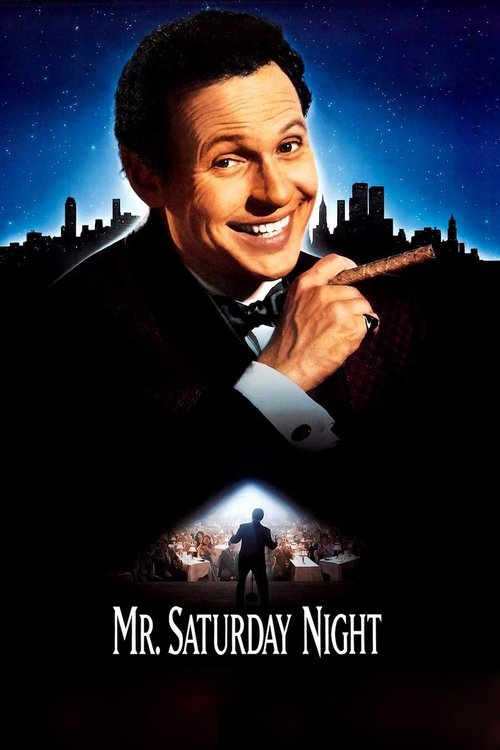
Mr. Saturday Night
1992
No user ratings available yet
Diversity score: 2.6 out of 10
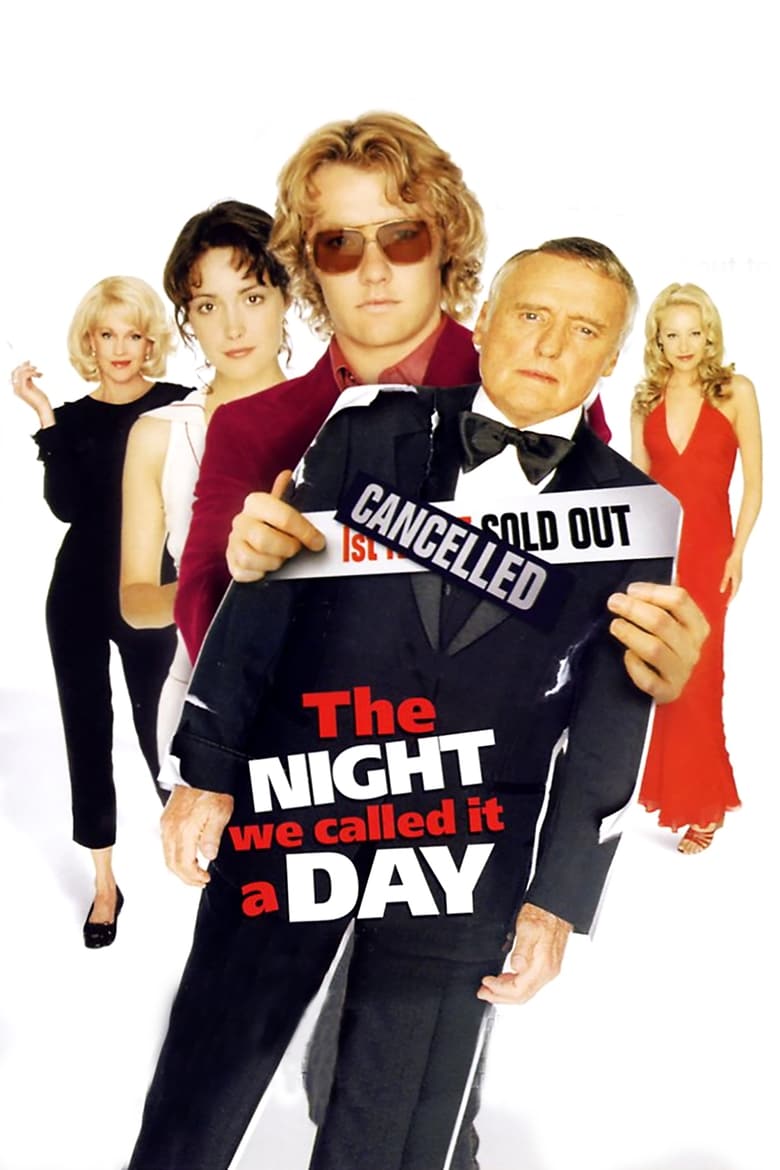
2003
RDirector
Paul Goldman
Runtime
97 minutes
Average Rating
No ratings yetSynopsis
Based on the true events surrounding Frank Sinatra's tour of Australia. When Sinatra calls a local reporter a "two-bit hooker", every union in the country black-bans the star until he issues an apology.
Overall Score
Limited
Category Breakdown
LGBTQ+ Representation
The film adheres to the heteronormative social structures of the mid-20th century. There is a lack of visible LGBTQ+ character arcs or non-cisnormative identities within the narrative.
Gender Representation
The story is heavily centered on male camaraderie and traditional masculine archetypes. Female agency is notably absent, resulting in a perspective that mirrors the era's social constraints.
Racial & Ethnic Diversity
The film engages with the historical realities of the jazz community and its racial complexities. However, it lacks a non-Anglo-Saxon majority in lead roles.
Religious & Cultural Diversity
The narrative focuses on the friction between a Western icon and institutional labor unions. It maintains a traditional biographical tone without prioritizing anti-Western frameworks.
Disability Representation
There is no discernible evidence of characters with physical, neurodivergent, or mental health disabilities. The focus remains strictly on professional and social conflicts.
Strengths
Areas for Improvement
AI Analysis
The film operates as a conventional biographical drama that prioritizes historical period accuracy over modern representational subversion. It captures the friction between individual celebrity and collective institutional action through a mid-20th-century lens. While the jazz-adjacent themes provide some racial complexity, the narrative architecture remains largely male-centric. The film reflects the demographic constraints of its setting rather than attempting to disrupt traditional social hierarchies. Ultimately, the work lacks intentional intersectional complexity. It functions as a period piece that mirrors the social limitations of the era it depicts.
1992
1959
1977
1952

2001
1969
1980

2011
1966

2017
1916

2009
No reviews yet. Be the first to share your thoughts on this movie!
Use the rating form above to leave a star rating and optional review.