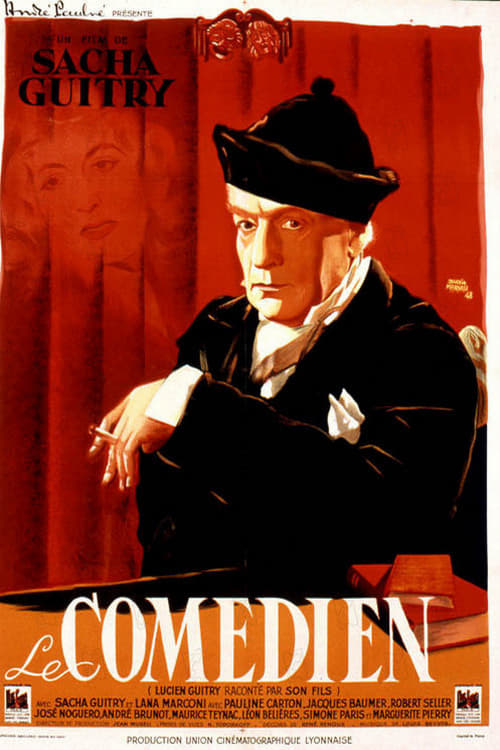
The Private Life of an Actor
1948
No user ratings available yet
Diversity score: 2.8 out of 10
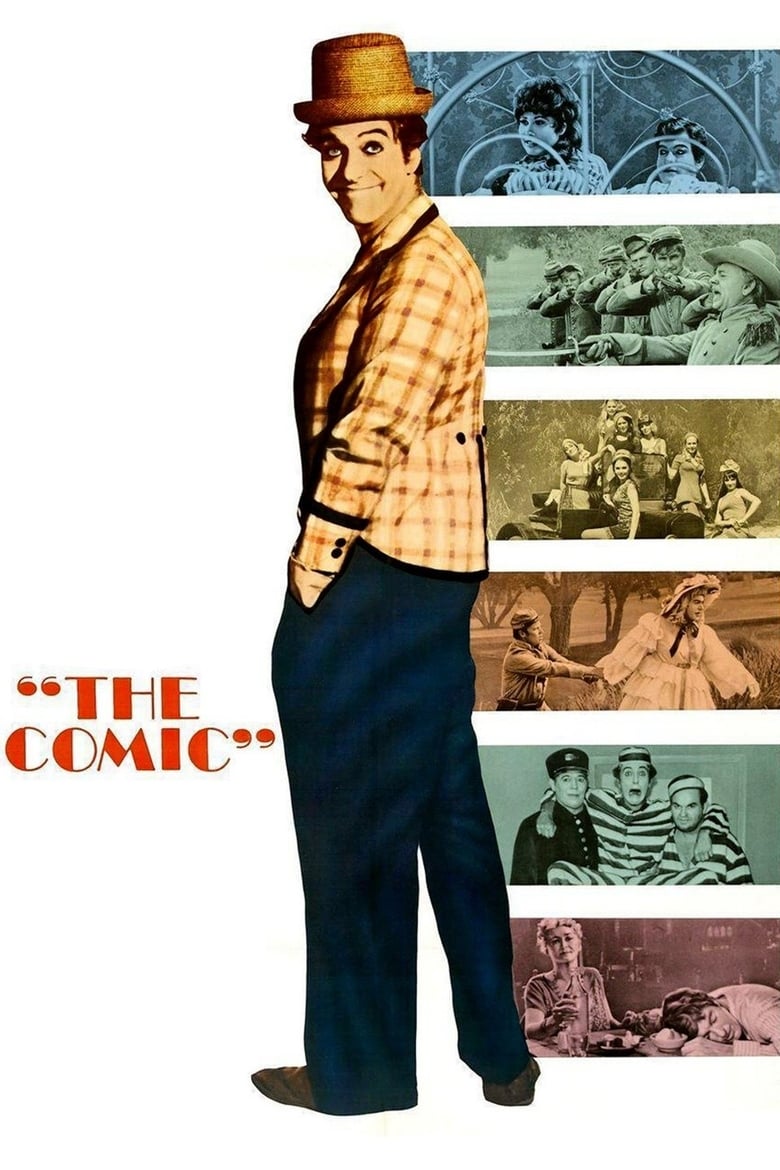
1969
PGDirector
Carl Reiner
Runtime
95 minutes
Average Rating
No ratings yetSynopsis
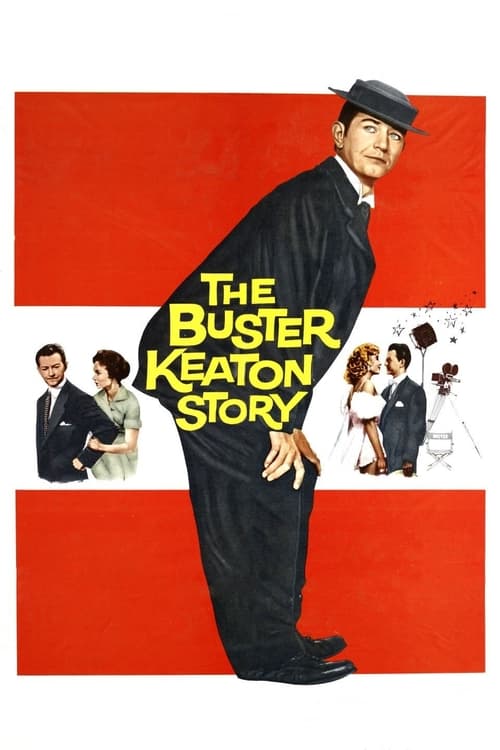
An account of the rise and fall of a silent film comic, Billy Bright. The movie begins with his funeral, as he speaks from beyond the grave in a bitter tone about his fate, and takes us through his fame, as he ruins it with womanizing and drink, and his fall, as a lonely, bitter old man unable to reconcile his life's disappointments. The movie is based loosely on the life of Buster Keaton.
Overall Score
Limited
Category Breakdown
LGBTQ+ Representation
The film operates within a traditional heteronormative framework. The narrative focuses on the protagonist's womanizing, with no evidence of LGBTQ+ characters or non-cisnormative identities.
Gender Representation
The story centers on a singular male trajectory of fame and self-destruction. Women appear to serve as secondary figures or catalysts for the protagonist's downfall rather than independent agents.
Racial & Ethnic Diversity
The film likely reflects the homogeneous casting norms of the early 20th-century silent film era. There is no mention of diverse casting or multi-ethnic narratives in the biographical account.
Religious & Cultural Diversity
The film functions as a traditional cautionary tale regarding individual morality and personal vice. It lacks explicit anti-religious or anti-Western critiques, focusing instead on personal disillusionment.
Disability Representation
There is no information regarding the portrayal of physical impairments or neurodivergence. The provided context does not suggest the inclusion of characters with visible or invisible disabilities.
Strengths
Areas for Improvement
AI Analysis
The film is a character study rooted in conventional biographical tropes, focusing on the rise and fall of a silent film comedian. Its narrative architecture aligns with mid-century cinematic structures that prioritize a singular, heteronormative male experience. Because the story centers on themes of addiction and womanizing, it reinforces traditional masculine-centric storytelling. The lack of intersectional depth or disruption of social hierarchies results in a low diversity profile. Ultimately, the work reflects the era's casting norms and focuses on individual morality rather than broader systemic or cultural critiques.
1948
2001
1957
1953
1986
1982

2000
1992
1971

1984
1980
1959
No reviews yet. Be the first to share your thoughts on this movie!
Use the rating form above to leave a star rating and optional review.