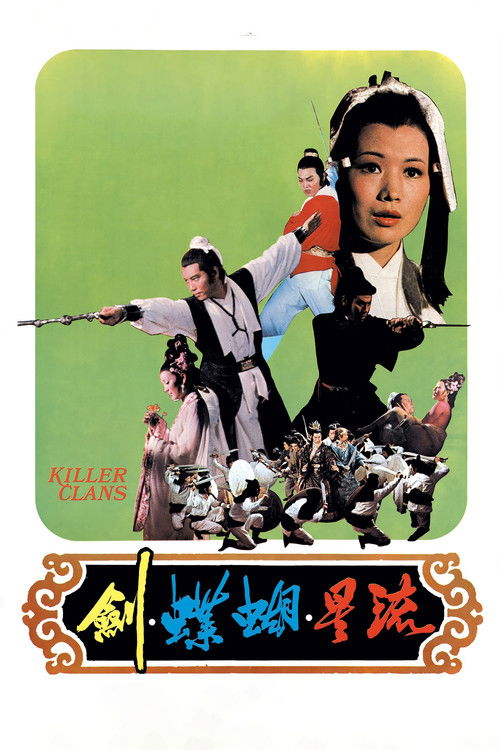
Killer Clans
1976
No user ratings available yet
Representation score: 3.6 out of 10
Representation Score
Fair
1978
Director
Sun Chung
Runtime
92 minutes
Average Rating
No ratings yetNew Showbiz Analysis
Sun Chung’s film blends martial arts and music, prioritizing emotional expression over rigid genre clichés. It uses a mysterious song to drive a complex plot involving subjective morality and clan conflicts. However, the film remains rooted in the traditional social structures of its era. It lacks LGBTQ+ representation and largely follows patriarchal hierarchies, even while using music to potentially nuance female characterization. Ultimately, the work serves as a transitional piece of genre cinema. It moves beyond simple good-versus-evil binaries to explore how individual passion can destabilize established social orders.
Category Breakdown
The film follows the traditional heterosexual romance structures typical of 1970s wuxia cinema. There is no indication of non-straight relationships or same-sex intimacy within the story.
While musical mastery may offer female characters unique roles, the central clan conflicts likely adhere to patriarchal leadership. The film upholds traditional gender hierarchies common to the period.
The cast is primarily East Asian, reflecting its Shaw Brothers studio origins. The clan-based storytelling provides a complex tapestry of cultural archetypes and regional identities.
The story explores the tension between personal desires and rigid codes of honor. It critiques traditional social institutions by portraying them as sources of volatility and destruction.
There is no documented evidence of characters utilizing visible or invisible disabilities as part of their narrative arc or roles.
Present on Screen
Limited or Absent
Official Synopsis
Sun Chung had made a name for himself directing satirical comedies and modern day crime thrillers when he started exploring the kung-fu genre with this fascinating tale which mixes music and martial arts. Revered choreographer Tang Chia leads a great action cast in a tale of conflicting clans and a mysterious song called "The Proud One" which leads to slowly blossoming love as well as sudden death.
1976
1967
1980
1978
1980
1978
1981

1973
No reviews yet. Be the first to share your thoughts on this movie!
Use the rating form above to leave a star rating and optional review.