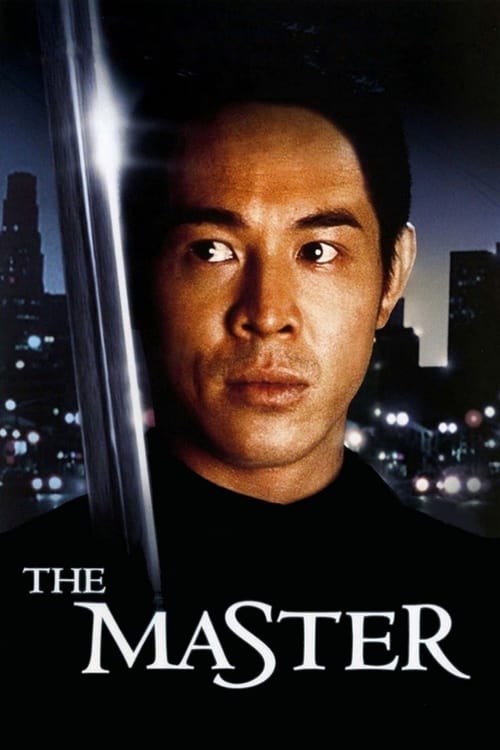
The Master
1992
No user ratings available yet
Diversity score: 5.0 out of 10
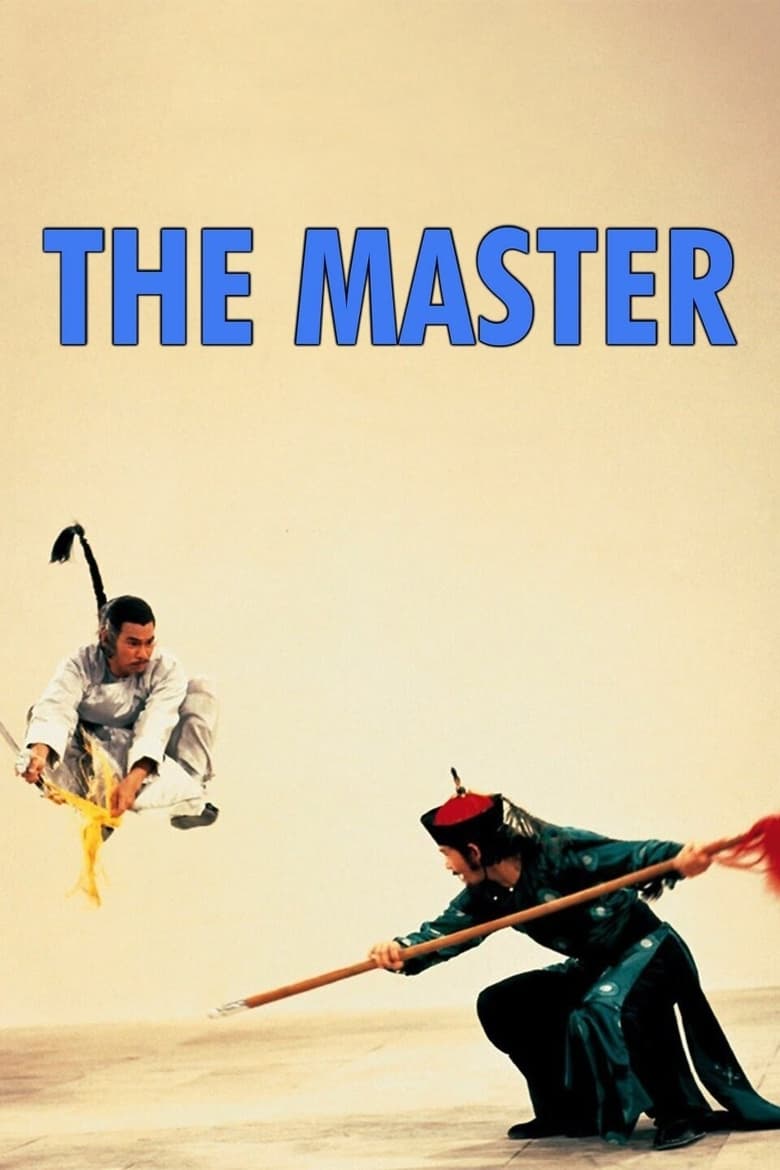
1980
NRDirector
Tony Lou Chun-Ku
Runtime
92 minutes
Average Rating
No ratings yetSynopsis
Although injured, a martial-arts expert teaches an orphan his methods.
Overall Score
Limited
Category Breakdown
LGBTQ+ Representation
The film lacks LGBTQ+ characters or narratives that challenge heteronormativity. The focus remains on a traditional master-student dynamic.
Gender Representation
The story centers on a male expert and an orphan. It follows a standard patriarchal mentorship model common to 1980s action cinema.
Racial & Ethnic Diversity
The film centers on non-Western martial arts aesthetics. However, it is unclear if the casting disrupts ethnic homogeneity or follows standard genre norms.
Religious & Cultural Diversity
The narrative reinforces traditional values like discipline and respect for lineage. It does not offer secularist or anti-Western critiques.
Disability Representation
The protagonist's injury serves as a plot device for a triumph-over-adversity trope. It lacks a nuanced exploration of physical impairment.
Strengths
Areas for Improvement
AI Analysis
The Master operates as a conventional martial arts piece, adhering strictly to the genre tropes of its era. The narrative architecture prioritizes a hierarchical mentorship model that reinforces traditional social structures rather than subverting them. While the film incorporates non-Western cultural aesthetics, it lacks the depth required to challenge historical norms or provide intersectional representation. The character dynamics remain rooted in established patriarchal and traditionalist frameworks. Ultimately, the film functions as a standard genre exercise. It utilizes physical impairment and mentorship as functional plot devices rather than tools for meaningful social commentary.
1992
1977
1985
1973
1977
1982

2016
1981

1970
1976

1988

1977
No reviews yet. Be the first to share your thoughts on this movie!
Use the rating form above to leave a star rating and optional review.