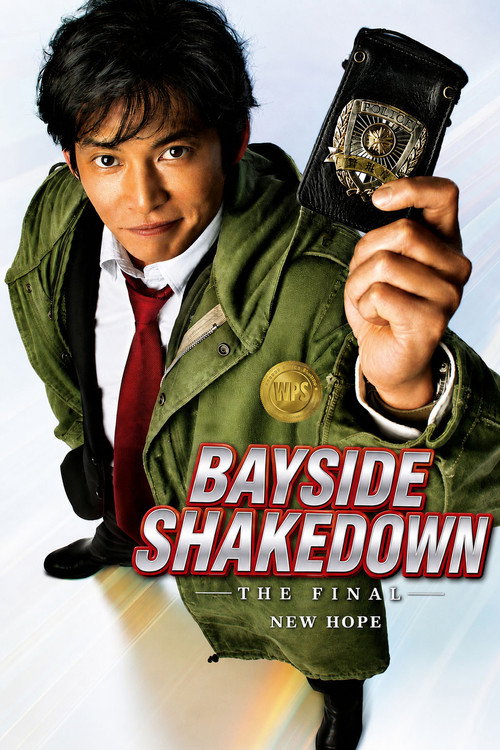
Bayside Shakedown THE FINAL: The New Hope
2012
No user ratings available yet
Representation score: 4.1 out of 10
Representation Score
Limited
2003
Director
Katsuyuki Motohiro
Runtime
128 minutes
Average Rating
No ratings yetNew Showbiz Analysis
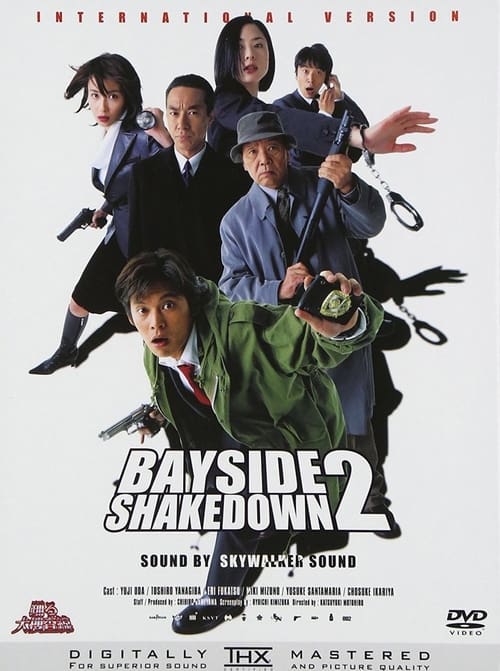
Bayside Shakedown 2 is a traditional police procedural that focuses on institutional realism. The film excels at exploring the tension between individual detectives and systemic bureaucracy, offering a sophisticated look at how hierarchy affects justice. However, the film lacks engagement with the complexities of identity politics. It maintains a narrow demographic scope, focusing almost exclusively on a homogeneous group of male characters within a standard social framework. Ultimately, the movie serves as a study of professional mismanagement rather than a vehicle for social or cultural subversion.
Category Breakdown
The film does not include any LGBTQ+ characters or those with non-binary gender identities. There are no depictions of same-sex relationships or challenges to the assumption that everyone is straight or cisgender.
Male characters hold leadership positions and drive the plot. Female characters play supporting roles and do not significantly challenge the traditional gender hierarchy.
The cast is predominantly of a single ethnic background. The film does not make intentional efforts to include a wider range of ethnicities.
The film provides a nuanced look at the bureaucratic nature of police work and the rigid social roles within it. Characters are portrayed as stable, middle-class individuals following traditional societal norms.
The film does not focus on characters with visible or invisible disabilities. There are no characters with impairments who serve as central drivers of the plot or character development.
Present on Screen
Limited or Absent
Official Synopsis
The movie takes place again in the fictional Wangan Station of the Tokyo Metropolitan Police Department the once empty space within Wangan's jurisdiction has become a popular tourist attraction. When a string of murders of company execs begins taking place, Aoshima jumps at the opportunity to pursue something other than his current case, which he finds less than inspiring. However the powers that be have other ideas, and Wangan again plays host to a special investigation team from headquarters. Aoshima's friend Superintendent Shinji Muroi, assigned by headquarters to assist Okita, is again powerless to help the local officers as decisions are made by the higher ups.
2012
1999
1998
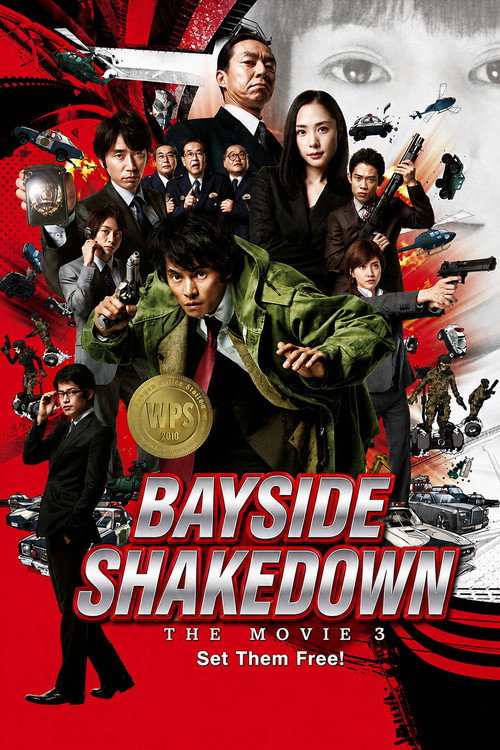
2010
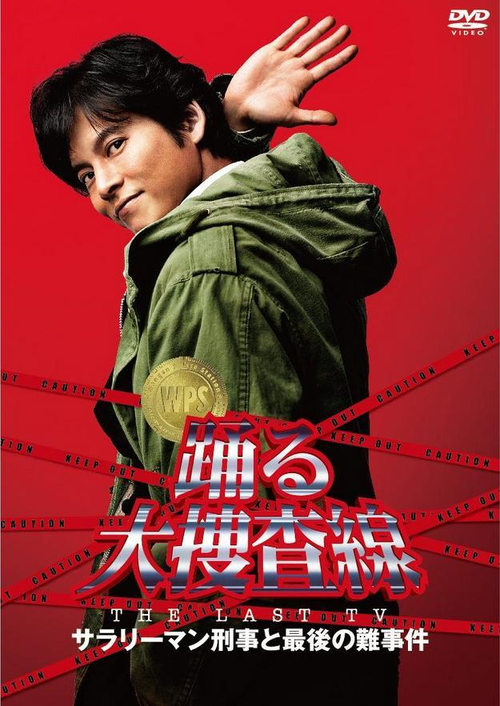
2012
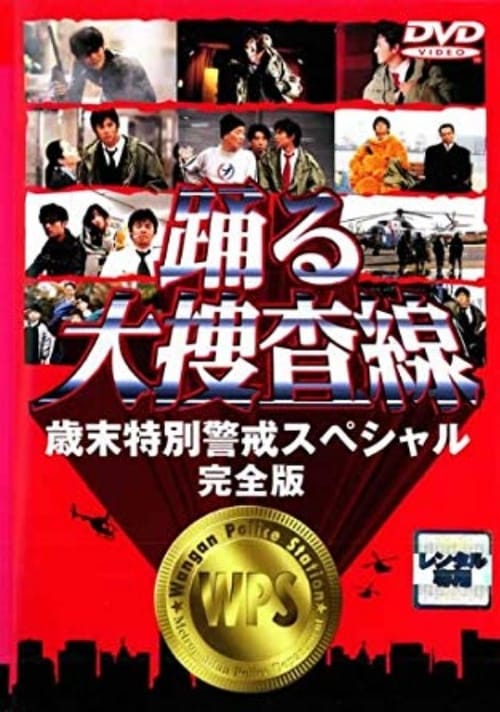
1997
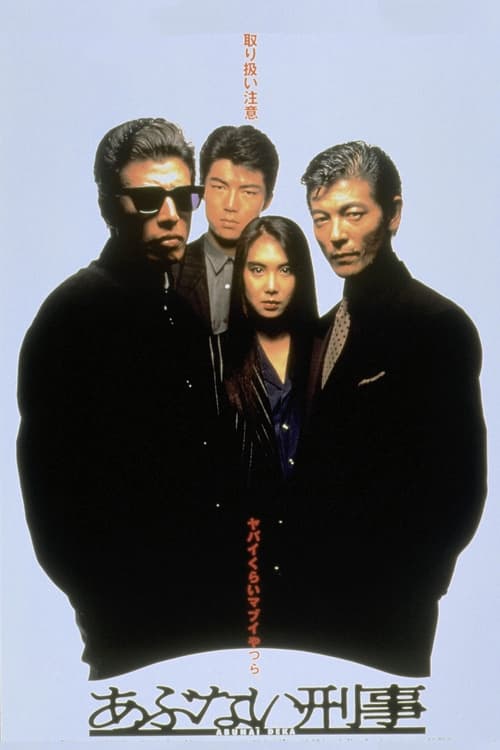
1987
2015
No reviews yet. Be the first to share your thoughts on this movie!
Use the rating form above to leave a star rating and optional review.