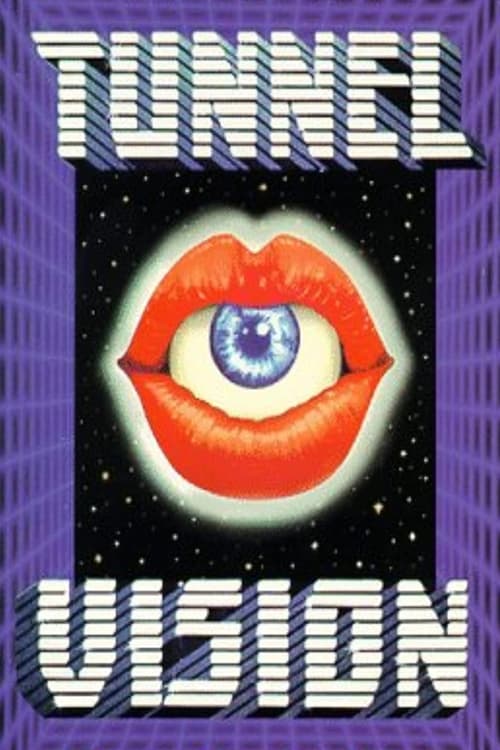
Tunnel Vision
1976
No user ratings available yet
Representation score: 3.5 out of 10
Representation Score
Fair
1976
RDirector
Ian Morrison
Runtime
75 minutes
Average Rating
No ratings yetNew Showbiz Analysis
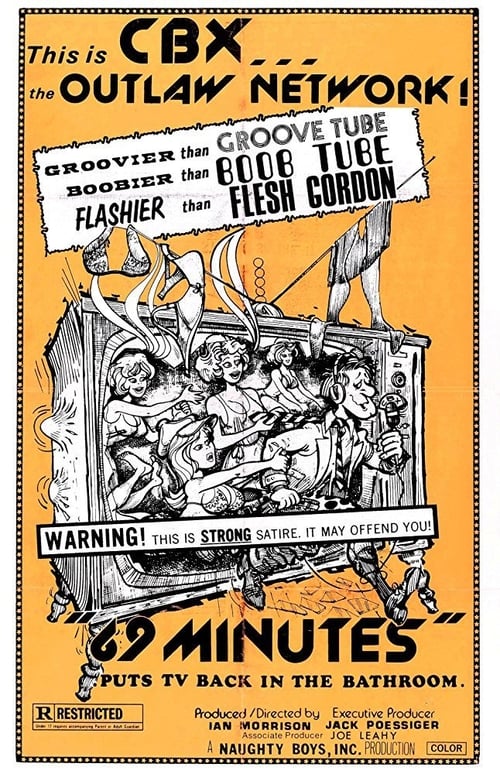
69 Minutes operates as a satirical deconstruction of the 1970s American media landscape. It utilizes a 'magazine' TV format to lampoon commercialism and the sensationalism of news broadcasting through various absurd segments. The film finds its strength in critiquing institutional norms and Western information structures. By mocking the authority of anchorpersons and the superficiality of news cycles, it offers a moderate level of progressive thematic engagement. However, the work lacks depth in character-driven multi-layered narratives. While it touches on transgressive social topics, it often prioritizes provocative satire over nuanced representation of specific identities or underrepresented groups.
Category Breakdown
Segments such as 'Love Doll Dating Services' and 'Cruising for Jailbait' touch on unconventional intimacy. However, these themes serve more as provocative satire rather than meaningful representation of specific LGBTQ+ identities.
The film parodies mid-70s media archetypes through sensational interviews and studio anchors. While satire can disrupt gender hierarchies, the film lacks explicit details about the subversion of masculine or feminine roles.
The inclusion of 'The Mexican Vegetable Genocide' suggests an engagement with ethnic-specific narratives. This use of topical satire challenges the homogeneous casting typical of the era's media landscape.
The film critiques Western institutions by lampooning American TV, commercialism, and news sensationalism. It uses zany formats to deconstruct the authority and perceived corruption of mainstream media structures.
There is no discernible evidence regarding the portrayal of physical or neurodivergent disabilities within the film's segments.
Present on Screen
Limited or Absent
Official Synopsis
A wild, zany spoof of American TV, complete with "on-the-spot" exposes, "remote" broadcasts, sensational interviews and a wide variety of commercial take-offs. Some of the topics covered in the film include "Miracle Stoves," "The Microwave De-Generation," "Death-Breath,", "Saturday Night Specials," "The Mexican Vegetable Genocide," "Sheep Tips," "Love Doll Dating Services," "Cruising for Jailbait," "Underwater Real Estate" and others. The format of the movie closely resembles that of current popular "magazine" TV shows, featuring anchorpersons in studio settings and investigative reporters "in the field."
1976

1963
2006
1977
1977

1993
1982

1997
No reviews yet. Be the first to share your thoughts on this movie!
Use the rating form above to leave a star rating and optional review.