
Copyright Criminals
2009
No user ratings available yet
Representation score: 6.0 out of 10
Representation Score
Good
1995
Not RatedDirector
Craig Baldwin
Runtime
87 minutes
Average Rating
No ratings yetNew Showbiz Analysis
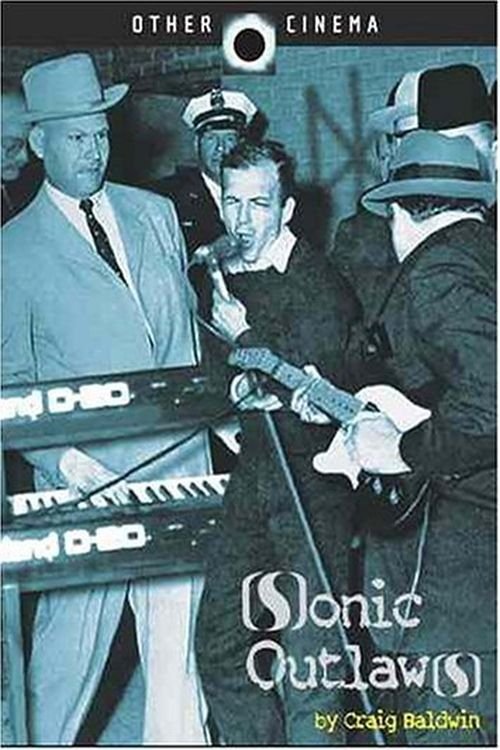
Sonic Outlaws is an experimental montage that prioritizes systemic critique over demographic storytelling. Since it functions as a non-linear collage of found footage, it lacks the character-driven narratives needed to excel in traditional identity categories like race, gender, or LGBTQ+ representation. However, the film is highly effective in its cultural subversion. It challenges the dominance of Western consumerism and the oppressive nature of intellectual property laws, providing a strong foundation for its cultural representation score. Ultimately, the work is a study of media manipulation and corporate control. It trades individual human identity for a broader, postmodern critique of how institutions commodify culture.
Category Breakdown
The film's collage structure doesn't focus on specific queer storylines or intimate moments. Instead, it deconstructs identity categories without making queer identities central to the narrative.
It avoids traditional gender roles by using repurposed archival footage instead of developing characters. The fragmented images disrupt the male gaze and avoid typical feminine stereotypes.
Racial diversity is represented incidentally through various sampled media. The film focuses on corporate critique rather than intentionally highlighting characters of different races or using race-bending techniques.
The film excels in its critique of institutional power, framing corporations as predatory forces and using culture jamming to challenge Western consumerism.
There is no specific representation of disabilities or use of disability as a plot device. The focus remains on media semiotics and corporate law rather than individual physical or neurodivergent experiences.
Present on Screen
Limited or Absent
Official Synopsis
Within days of the release of Negativland's clever parody of U2 and Casey Kasem, recording industry giant Island Records descended upon the band with a battery of lawyers intent on erasing the piece from the history of rock music. Craig "Tribulation 99" Baldwin follows this and other intellectual property controversies across the contemporary arts scene. Playful and ironic, his cut-and-paste collage-essay surveys the prospects for an "electronic folk culture" in the midst of an increasingly commodified corporate media landscape.
2009

2013

2012
2021
2013

2011
1991
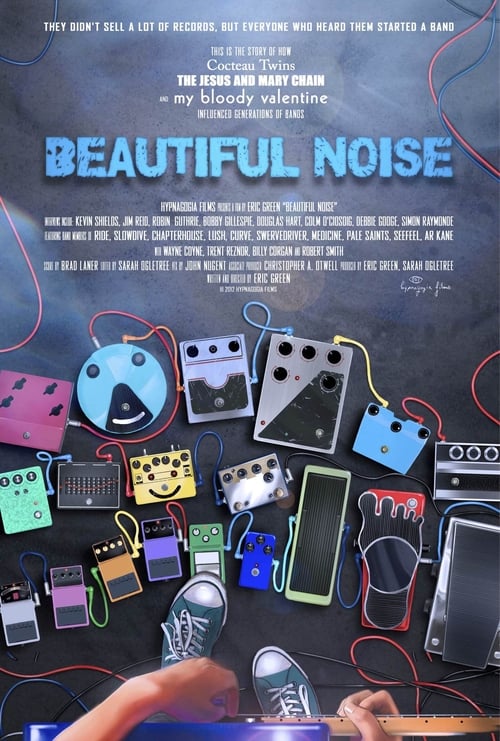
2014
No reviews yet. Be the first to share your thoughts on this movie!
Use the rating form above to leave a star rating and optional review.