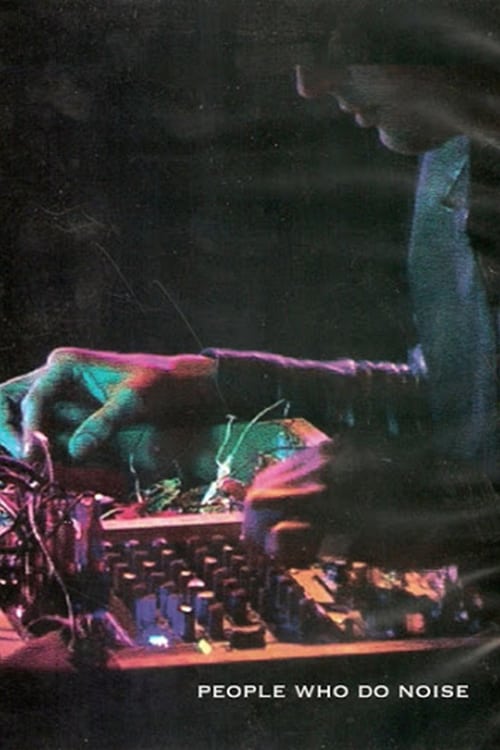
People Who Do Noise
2008
No user ratings available yet
Representation score: 7.3 out of 10

Representation Score
Good
2011
Director
Cédric Dupire, Gaspard Kuentz
Runtime
80 minutes
Average Rating
No ratings yetNew Showbiz Analysis
The documentary succeeds as a cultural disruptor by centering the Tokyo avant-garde music scene. It effectively challenges Western musical hegemony by providing high ability to act to Japanese artists like Otomo Yoshihide and Sakamoto Hiromichi. However, the film lacks explicit detail regarding gender and LGBTQ+ identities. While the subcultures depicted often host diverse populations, the narrative focus remains strictly on the technical and sonic aspects of the music. Ultimately, the work is a postmodern exploration of sound and image. It prioritizes experimental identity and the subversion of musical norms over traditional, character-driven representation.
Category Breakdown
The film explores the avant-garde music scene, which historically offers space for non-normative identities. However, there is no explicit evidence of character-driven LGBTQ narratives within the documentary.
The documentary focuses on technical musical innovation like turntablism and laptop music. While the gender breakdown of musicians is not specified, the focus remains on skill and disruption of norms.
By centering on Tokyo's underground, the film provides a significant platform for Japanese artists. This shifts the focus away from Western-centric musical hierarchies and gives prominence to non-Western creators.
The film embraces 'noise' and deconstructs musical traditions to critique established aesthetic standards. It favors subjective, experimental experiences over traditional Western hierarchies of art and order.
The provided material contains no specific information regarding the portrayal of physical or neurodivergent disabilities.
Present on Screen
Limited or Absent
Official Synopsis
From radical turntablism (Otomo Yoshihide) to laptop music innovation (Numb), via classical instrument hijacking (Sakamoto Hiromichi), Tokyo's avant-garde music scene is internationally known for its boldness. While introducing some of the greatest musicians of this scene, "We Don't Care About Music Anyway..." offers a kaleidoscopic view of Tokyo, confronting music and noise, sound and image, reality and representation, documentary and fiction.
2008
2015
2014

2015

1986

2013
2014

2017
No reviews yet. Be the first to share your thoughts on this movie!
Use the rating form above to leave a star rating and optional review.