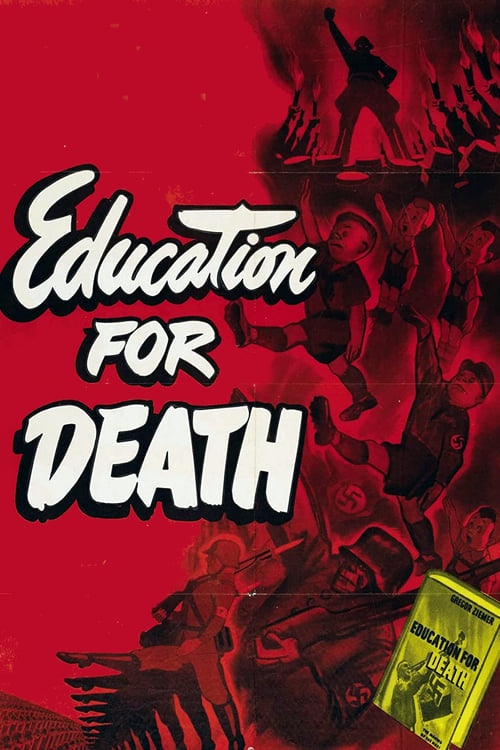
Education for Death: The Making of the Nazi
1943
No user ratings available yet
Representation score: 0.8 out of 10
Representation Score
Minimal
1941
Director
Paul Fennell
Runtime
8 minutes
Average Rating
No ratings yetNew Showbiz Analysis
Paul Fennell’s documentary serves as a tool for national mobilization, emphasizing institutional unity over demographic diversity. Its structure is built around nationalism and traditional masculinity, reinforcing the social norms of the early 1940s. Ultimately, the film reflects the socio-political constraints of its time, focusing on state-sanctioned narratives and military utility rather than individual or multi-layered visibility.
Category Breakdown
The film does not include any representations of LGBTQ+ narratives or non-straight identities. It focuses solely on the traditional military mobilization of 1941.
The story centers around masculine figures, highlighting male strength and combat leadership. Women play minor roles, if any, and the focus remains on male-dominated military operations.
The depiction of the British military is predominantly white and centered on Anglo-Saxon soldiers. There is no indication of diverse ethnic perspectives or multi-layered casting.
The film emphasizes Western institutions and patriotism. It portrays the British state as the protector of peace against external enemies such as Japan, Italy, and Nazi Germany.
There is no representation of disabilities, either physical or cognitive. The film highlights able-bodied soldiers and machinery, focusing on their combat utility.
Present on Screen
Limited or Absent
Official Synopsis
An animated documentary describing the involvement of Japan, Italy and Nazi Germany as the aggressors and instigators of World War II.
1943
1939
1943
1943
1943
1942

1942
1943
No reviews yet. Be the first to share your thoughts on this movie!
Use the rating form above to leave a star rating and optional review.