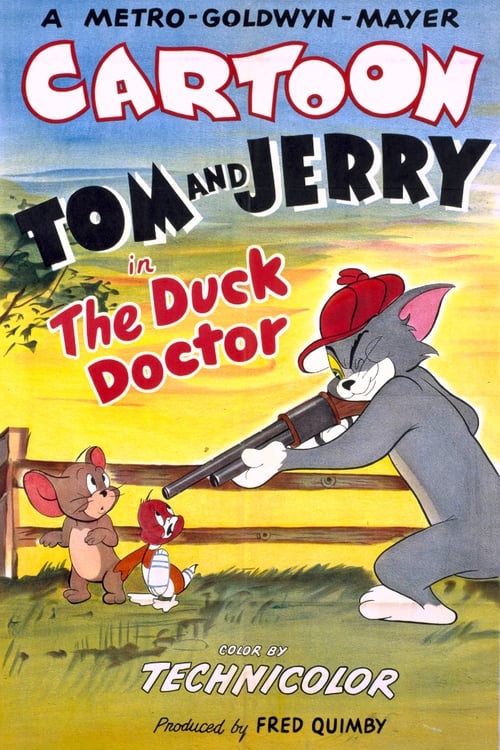
The Duck Doctor
1952
No user ratings available yet
Diversity score: 2.0 out of 10
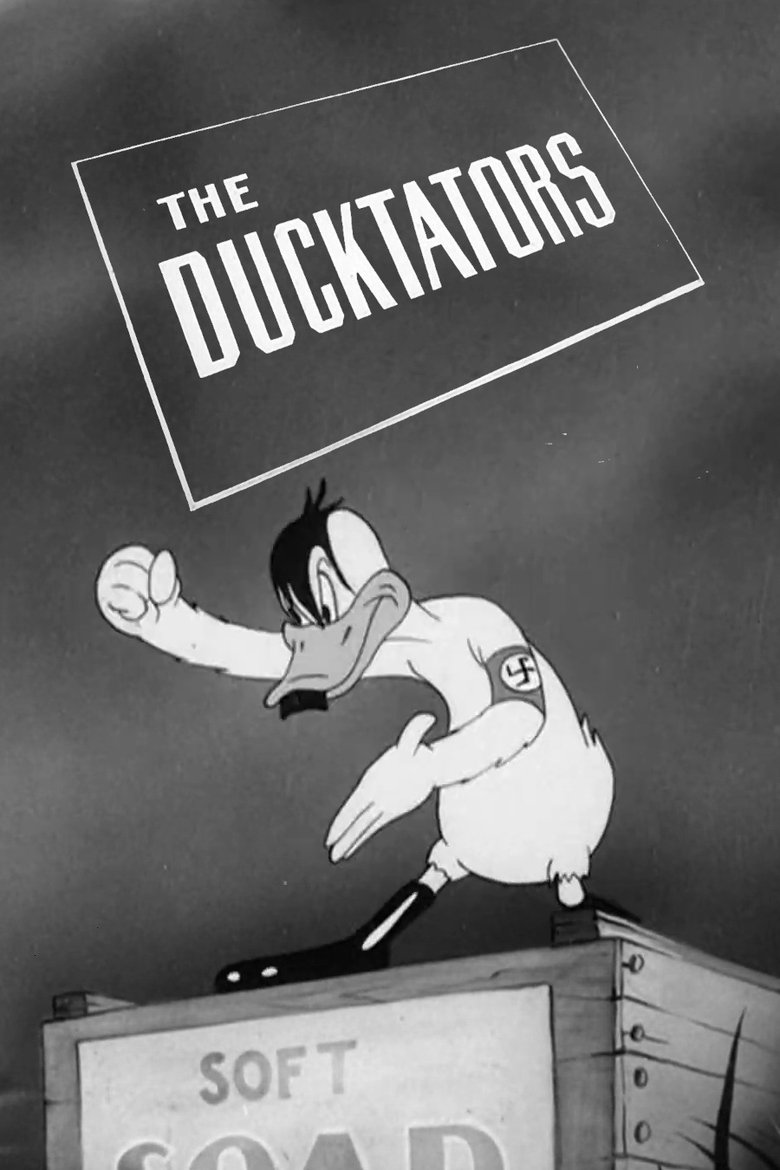
1942
ApprovedDirector
Norm McCabe
Runtime
8 minutes
Average Rating
No ratings yetSynopsis
A wartime cartoon that satirizes the Axis leaders of World War II.
Overall Score
Minimal
Category Breakdown
LGBTQ+ Representation
The film lacks any LGBTQ+ characters or non-cisnormative identities. It adheres strictly to the heteronormative and patriarchal structures of the 1940s.
Gender Representation
The narrative focuses on male political leaders and hyper-masculine aggression. It lacks significant female presence and reinforces traditional masculine archetypes of the era.
Racial & Ethnic Diversity
The film relies on extreme racial stereotypes and caricatures to depict Axis powers. This reductive imagery, particularly regarding Japanese identity, serves to dehumanize antagonists through ethnic tropes.
Religious & Cultural Diversity
The story aligns with Allied propaganda and Western institutional interests. It presents a singular, patriotic morality that reinforces traditional notions of national sovereignty.
Disability Representation
There is no representation of physical, sensory, or neurodivergent identities. The characters function as archetypal political personifications without engaging with disability themes.
Strengths
Areas for Improvement
AI Analysis
The Ducktators functions as a wartime propaganda tool designed to consolidate national identity. While it critiques Axis aggression, it does so through a lens of extreme bias. The film's reliance on reductive caricatures and hyper-masculine leadership reflects the sociopolitical constraints of 1942. Representation is almost entirely absent across most categories. The narrative architecture is built around geopolitical personifications that exclude women, LGBTQ+ individuals, and people with disabilities. This creates a narrow, exclusionary worldview centered on wartime mobilization. Ultimately, the film's satirical goals are achieved by reinforcing systemic racial hierarchies. By using ethnic tropes to vilify enemies, the animation upholds the very biases that modern intersectional perspectives seek to dismantle.
1952
1951
1945

1944
1990

1943
1944
1943
No reviews yet. Be the first to share your thoughts on this movie!
Use the rating form above to leave a star rating and optional review.