Love Don't Co$t a Thing
2003
No user ratings available yet
Representation score: 3.1 out of 10
Representation Score
Fair
1991
PGDirector
John Hughes
Runtime
102 minutes
Average Rating
No ratings yetNew Showbiz Analysis
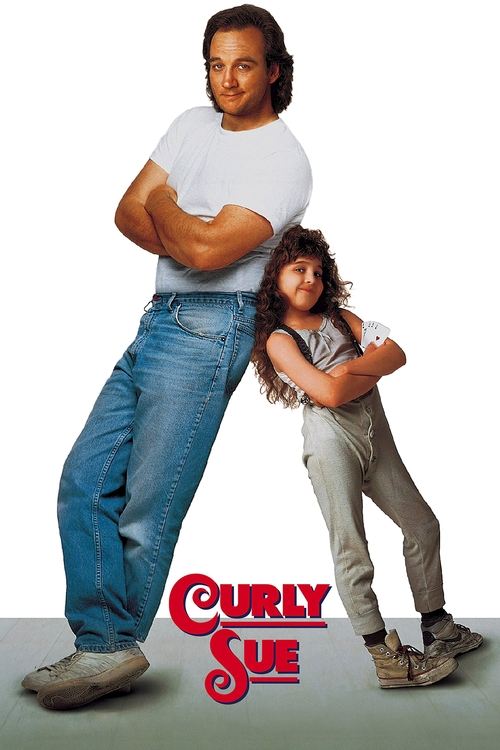
Curly Sue is a character-driven drama that finds its depth in subverting traditional family structures rather than through broad demographic representation. Its primary strength lies in challenging the conventional nuclear family model, emphasizing emotional bonds over biological ties. However, the film remains limited by the era's mainstream conventions, featuring a largely homogeneous cast and no LGBTQ+ presence. While it offers a nuanced look at class disparity and non-traditional caregiving, it lacks significant racial or disability-related depth. Ultimately, the film succeeds as a study of found families but falls short in providing a diverse or inclusive range of identities.
Category Breakdown
The film does not include any LGBTQ+ characters or explore non-straight relationships. The romantic subplot focuses solely on the heterosexual relationship between Grey and Walker.
Grey is portrayed as a successful lawyer who plays a significant role in driving the story. The male protagonist challenges traditional masculine stereotypes by showing vulnerability and taking on caregiving responsibilities typically associated with mothers.
The cast is predominantly white, with the story centered around characters in a Chicago setting. The narrative does not incorporate diverse ethnic backgrounds into the main character arcs.
The story emphasizes the importance of 'found family' over biological ties, depicting domestic stability through emotional connections. It also highlights the socioeconomic differences between transient individuals and the professional class.
The film does not focus on any visible or invisible disabilities. Richard's struggle with alcoholism supports his personal growth rather than providing a detailed look at chronic illness.
Present on Screen
Limited or Absent
Official Synopsis
Bill is a penniless drifter who scams strangers out of just enough money to feed himself and his partner in crime, an orphan girl known as Curly Sue. Bill and Curly Sue target Grey, a yuppie lawyer, but their con takes an unexpected turn when the successful woman begins to like the ramshackle duo. But there's one problem—Grey's jealous, conniving boyfriend, Walker.
2003
1994
1994
1958
1986
1962
1990
1975
No reviews yet. Be the first to share your thoughts on this movie!
Use the rating form above to leave a star rating and optional review.