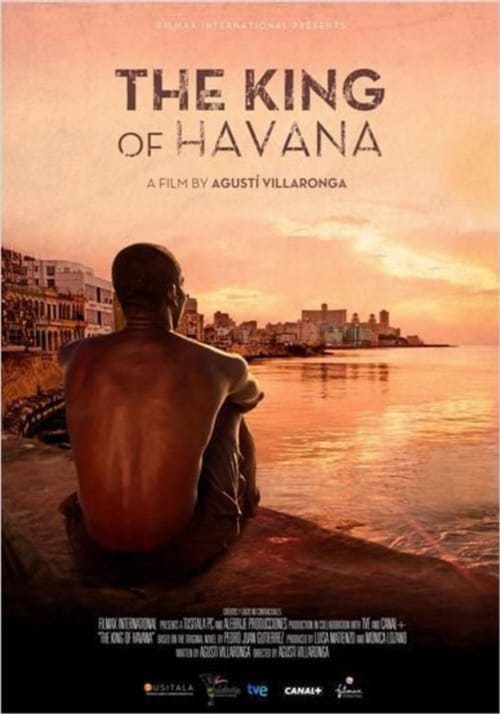
The King of Havana
2015
No user ratings available yet
Representation score: 9.0 out of 10
Representation Score
Excellent
1998
Director
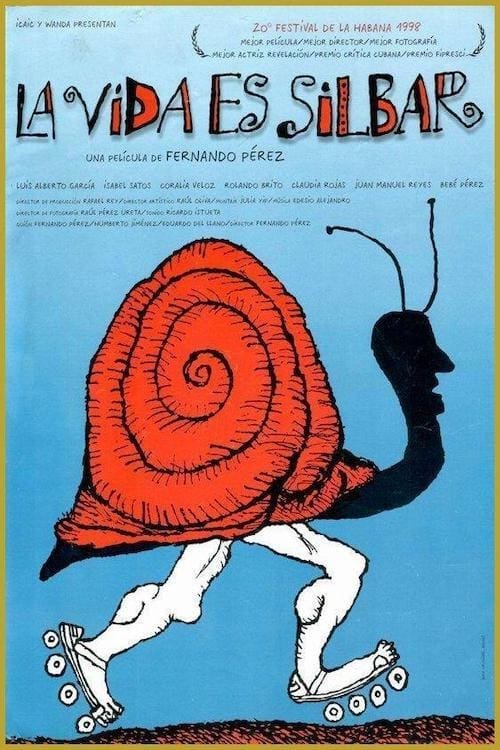
Fernando Pérez
Runtime
106 minutes
Average Rating
No ratings yetNew Showbiz Analysis
Fernando Pérez delivers a nuanced drama that prioritizes the internal liberation of its protagonists over traditional plot clichés. The film centers on women's ability to drive the story and critiques the restrictive nature of religious and nationalistic dogmas. By focusing on the psychological struggles of its characters, the film deconstructs established hierarchies. It moves beyond simple storytelling to explore how individuals navigate the tension between personal freedom and systemic constraints. While the film excels in cultural and gendered depth, it remains somewhat ambiguous regarding explicit depictions of queer intimacy and specific racial casting nuances.
Category Breakdown
The film focuses on themes of personal liberation and breaking free from rigid societal expectations. Although specific queer romantic relationships are not explicitly detailed, the narrative emphasizes freedom from conventional social structures.
Women are the primary drivers of the film's emotional and philosophical inquiry. Characters like Mariana and Julia are central figures navigating autonomy, faith, and duty rather than acting as passive observers.
Set in Havana, the film engages with the multi-ethnic reality of Cuba. The character Elpidio provides a cultural anchor that integrates local identity into the broader narrative fabric.
The story critiques the weight of traditional institutions, particularly religion and national identity. It explores the tension between systemic expectations and the pursuit of subjective morality.
The film addresses invisible disabilities through Julia’s psychosomatic fainting. This physical manifestation of psychological distress is used to deepen the exploration of mental and emotional autonomy.
Present on Screen
Limited or Absent
Official Synopsis
Three characters in present-day Havana must choose between clinging to their self-restricting beliefs, or getting rid of them to live more freely. Ballerina Mariana has promised God celibacy if she gets the role of "Giselle"; Social-worker Julia always faints after hearing a certain word; and pot-smoking percussionist Elpidio was abandoned by his mother, coincidentally named Cuba, some time ago and has not yet gotten over the loss.
2015
1964
2001

2013

2015
1994

2005

2000
No reviews yet. Be the first to share your thoughts on this movie!
Use the rating form above to leave a star rating and optional review.