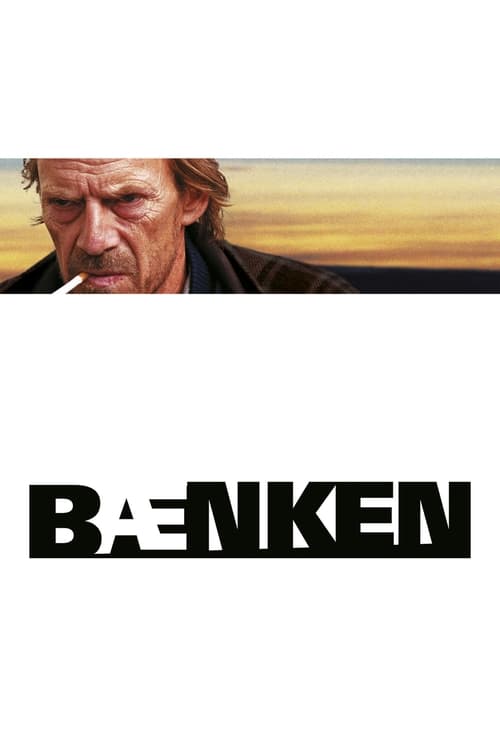
The Bench
2000
No user ratings available yet
Representation score: 7.0 out of 10

Representation Score
Fair
2005
Director
Manuel Martín Cuenca
Runtime
115 minutes
Average Rating
No ratings yetNew Showbiz Analysis
Hard Times is a naturalist drama that emphasizes social critique over demographic diversity. It effectively deconstructs traditional institutions, such as the stable family and formal economic systems, through a lens of moral ambiguity. While the film provides a nuanced exploration of the tension between individuals and systemic hardship, it falls short in representing LGBTQ+ individuals and people with disabilities. The casting primarily focuses on a specific Spanish socioeconomic context. Ultimately, the film's strength lies in its thematic depth regarding displacement and economic hardship, despite its limited diversity of identity.
Category Breakdown
The film does not include explicit LGBTQ+ narratives or diverse gender identities. Character interactions revolve around heterosexual tensions within a rural Spanish setting.
Ana, an NGO worker, avoids traditional submissive roles by managing crises. However, the narrative is set against a backdrop of a harsh, patriarchal society.
The cast is primarily white, but includes Carlos, a Cuban exile, adding ethnic and migratory dimensions. This highlights tensions between locals and those displaced by upheaval.
The film steers away from traditional institutional morality, focusing instead on moral relativism. It critiques formal economic systems by highlighting the black market and underrepresented individuals.
There is no prominent representation of physical or neurodevelopmental disabilities. Psychological issues are portrayed as symptoms of the environment rather than a focused study of disability.
Present on Screen
Limited or Absent
Official Synopsis
When the troubled son of an NGO worker refuses to take a test and announces that he is not leaving his room, his concerned mother asks one of her clients, a Cuban exile, for help in setting the boy straight. Gonzalo has decided to drop out of school, and his mother Ana isn't sure how to convince the boy that he's making a crucial mistake. Ana's client Carlos is a Cuban exile who makes his living selling cigars and artwork on the black market. When Carlos learns of Ana's dilemma, he calls on recently released convict Mikel to teach the boy how to play chess. Perhaps is young Gonzalo can master the game, he can learn to start living again. As the lessons get underway, each of these characters learns that in order to truly move on with their lives they much first break free of the bonds that prevent them from being who they really are.
2000

1997
2005

2006
2017

2013
1998

2013
No reviews yet. Be the first to share your thoughts on this movie!
Use the rating form above to leave a star rating and optional review.