
The School Bag
2016
No user ratings available yet
Representation score: 4.1 out of 10
Representation Score
Fair
2005
Director
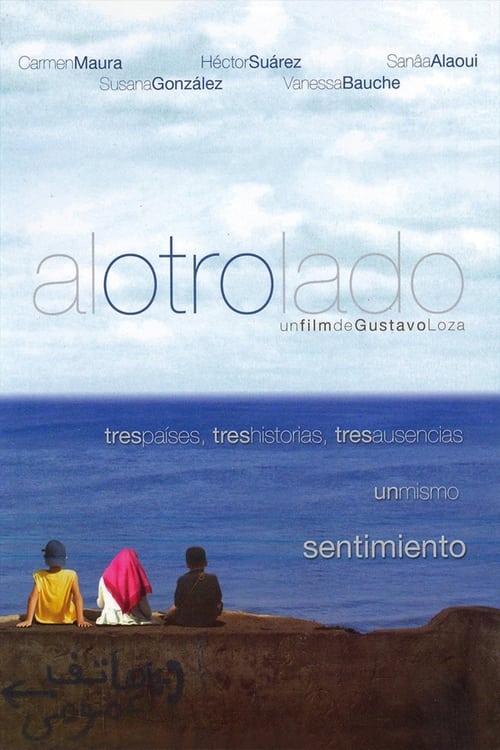
Gustavo Loza
Runtime
90 minutes
Average Rating
No ratings yetNew Showbiz Analysis
To the Other Side succeeds in its global scope, using perspectives from Cuba, Morocco, and Mexico to challenge Western-centric narratives. By focusing on stories from the Global South, the film offers a nuanced look at the intersection of migration and identity. However, the film lacks explicit representation for LGBTQ+ identities or characters with disabilities, which limits its range in these areas. Overall, the film's strength lies in its deconstruction of the traditional nuclear family, replacing idealized stability with the harsh realities of socio-economic struggle.
Category Breakdown
The film explores familial bonds and parental absence across different locations. It does not include any explicit LGBTQ+ characters or non-straight relationships.
The story highlights maternal figures, such as a Cuban mother dealing with poverty. It emphasizes the ability to act and survival strategies of these mothers rather than traditional male provider roles.
The film features a multi-national structure with perspectives from Cuba, Morocco, and Mexico. These diverse ethnic identities are central to the plot.
The story addresses themes of systemic displacement and economic boundaries. It critiques socio-economic structures through the lens of migration and poverty.
There is no mention of characters facing physical, sensory, or neurodivergent disabilities in the narrative.
Present on Screen
Limited or Absent
Official Synopsis
This drama features three stories about the bonds between children and absent parents. A Cuban boy who lives in poverty with his mother longs to visit his father in the United States, a Moroccan girl attempts to reunite with her father, and in Mexico, and a boy disobeys his father to visit a strange lagoon. These related vignettes showcase the powerful hold that parents have upon their children, which often remains strong despite their absence.
2016

1997

2019
2007

2015

2014

2017

2020
No reviews yet. Be the first to share your thoughts on this movie!
Use the rating form above to leave a star rating and optional review.