Léo
2019
No user ratings available yet
Representation score: 5.5 out of 10
Representation Score
Fair
2016
Director
Dheeraj Jindal
Runtime
15 minutes
Average Rating
No ratings yetNew Showbiz Analysis
The film stands out for its authentic cultural portrayal, providing a localized look at life in Peshawar that avoids Western storytelling clichés. By centering a South Asian narrative, it gives genuine ability to act to characters of color within their own context. However, the film lacks representation for LGBTQ+ identities and disabilities. The narrative is also heavily focused on the consequences of a broken patriarchal structure, which narrows the scope of its gender exploration. Overall, the film is a nuanced character study that replaces sanitized family ideals with a realistic portrayal of maternal strength and the systemic impact of abandonment.
Category Breakdown
The film focuses solely on a family where everyone is assumed to be straight and cisgender. There are no characters or storylines that explore non-straight or non-cisgender identities.
The story centers around a mother's resilience as she raises her children alone. While it challenges traditional male dominance by highlighting her strong role, the plot revolves around the emotional impact of a father's absence.
Set in Peshawar, Pakistan, the film offers an authentic South Asian perspective. It avoids a Western viewpoint by focusing on the specific socioeconomic conditions of a Pashtun household.
The narrative critiques idealized family structures by showing a fragmented home life. It examines the tension between personal desires and community responsibilities within a specific cultural setting.
There are no explicit portrayals of physical or neurological disabilities. The film's themes focus on emotional and metaphorical burdens rather than specific disabilities.
Present on Screen
Limited or Absent
Official Synopsis
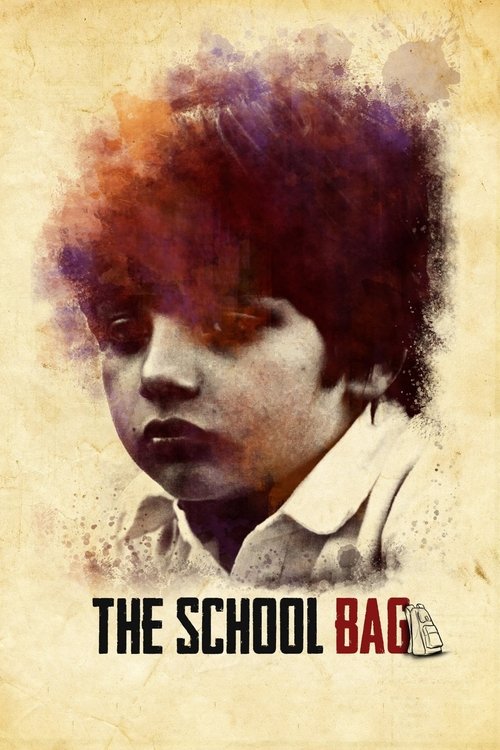
The bond between a mother and her son is indeed a special one. It was the same between Farooq and his Ammi, but depends with he always longed for his father. They reside in the small town of Peshawar, Pakistan. Farooq, a child with a simple demand, wants to meet his father , whom he had not seen for long as his birthday gift. But his mother, did not really know how on earth she could fulfill her child's plea , coz his father had abandoned them for another woman. Unknown to Farooq, there is something waiting for him on his birthday.
2019

1999
2005
2017
2016
2017
2016
2011
No reviews yet. Be the first to share your thoughts on this movie!
Use the rating form above to leave a star rating and optional review.