Place de l'Opéra
1896
No user ratings available yet
Representation score: 1.1 out of 10
Representation Score
Minimal
1899
Director
Louis Lumière, Auguste Lumière
Runtime
1 minutes
Average Rating
No ratings yetNew Showbiz Analysis
As a foundational piece of ethnographic cinema, this work functions as an 'actualité' rather than a narrative film. It captures a candid snapshot of Parisian life without the capacity for scripted character development or intentional thematic subversion. The low diversity scores reflect the historical context of the era. The footage documents the demographic homogeneity and traditional social structures of the late 19th century without the inclusion of modern multi-layered frameworks. Ultimately, the film is a technical milestone of unmediated reality rather than a platform for progressive social commentary or diverse representation.
Category Breakdown
This brief observational documentary does not include any representations of LGBTQ identities or non-binary gender expressions. The footage focuses solely on capturing a public street scene.
Women are present in the crowd but are shown strictly within the social roles typical of the late 19th century. There are no characters who take leading roles or challenge traditional gender hierarchies.
The subjects in the film reflect the demographic makeup of Paris in 1899, appearing as a largely homogeneous group. There is no indication of diverse identity representation or non-white majority casting.
The film serves as a neutral historical record of a Western urban setting. It does not address themes of secularism or critiques of Western institutions, adhering to the social norms of the time.
There are no visible or implied depictions of disabilities in the film. The subjects appear to be able-bodied individuals moving through a central Parisian plaza.
Present on Screen
Limited or Absent
Official Synopsis
Street scene: Arch de Triumph.
1896
1896
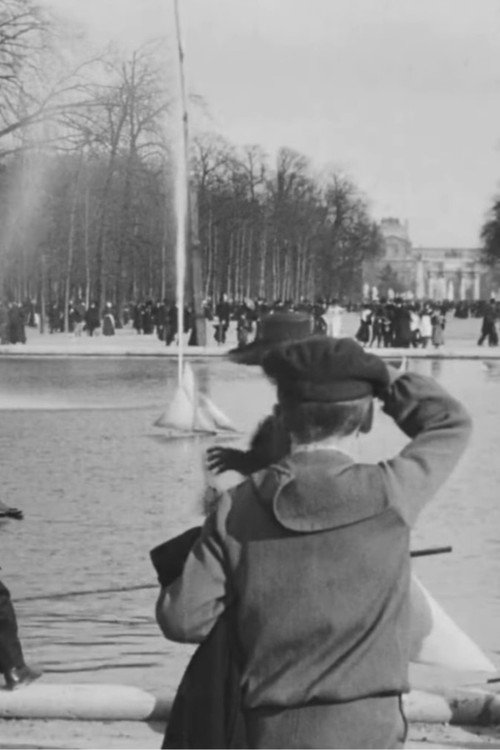
1896
1897
1896
1896

1895
1897
No reviews yet. Be the first to share your thoughts on this movie!
Use the rating form above to leave a star rating and optional review.