The Strip
1951
No user ratings available yet
Diversity score: 2.7 out of 10
1957
NRDirector
László Kardos
Runtime
72 minutes
Average Rating
No ratings yetSynopsis
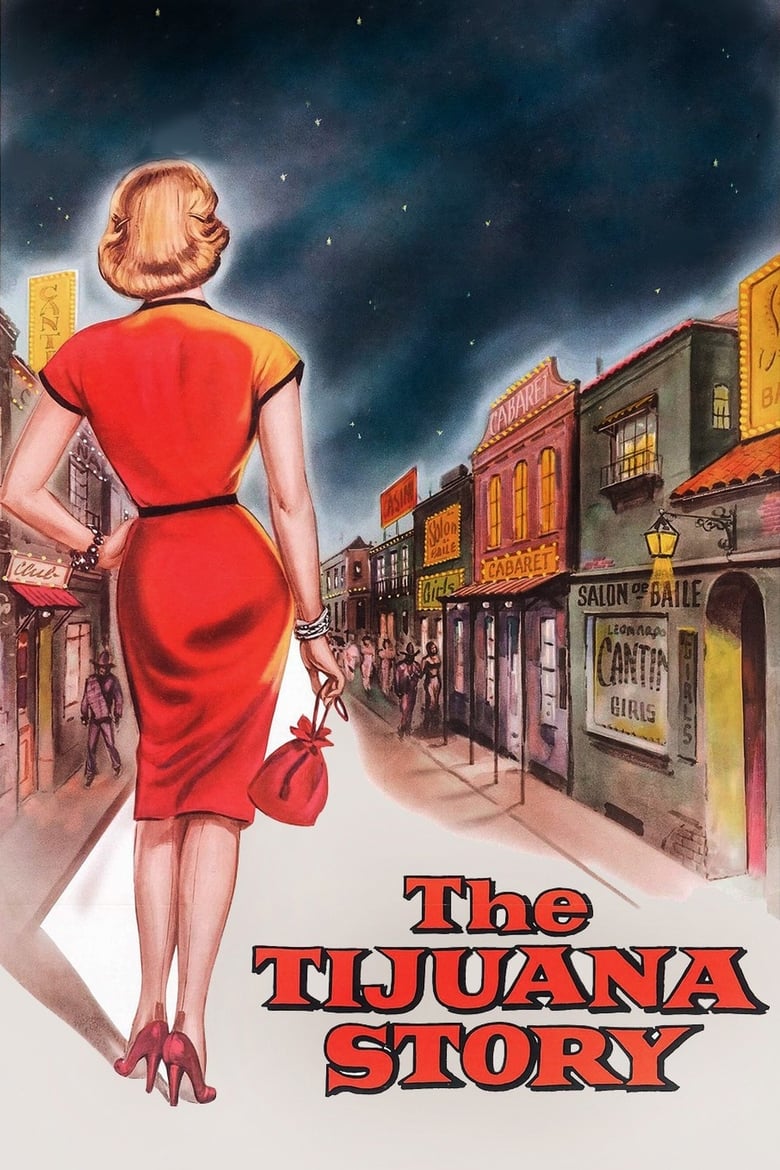
Courageous newspaper editor Manuel Acosta Mesa tries to take on the mob in Tijuana through his newspaper, reporting on the violence, prostitution and drug sales in the border town.
Overall Score
Limited
Category Breakdown
LGBTQ+ Representation
The film lacks evidence of non-cisnormative identities. It appears to adhere to the heteronormative social standards typical of 1950s crime cinema.
Gender Representation
The plot is driven by a male protagonist exercising professional agency. While prostitution is mentioned, female characters likely occupy passive or victimized archetypes.
Racial & Ethnic Diversity
The film disrupts Anglo-centric norms by centering a Mexican protagonist and setting. Manuel Acosta Mesa provides a meaningful departure from typical Hollywood homogeneity.
Religious & Cultural Diversity
The story explores systemic corruption and institutional failure regarding violence and drugs. It functions primarily as a moral struggle between truth and criminality.
Disability Representation
There is no evidence regarding the portrayal of physical or neurodivergent disabilities within the narrative.
Strengths
Areas for Improvement
AI Analysis
The Tijuana Story stands out for its era-specific racial centering, placing a Mexican editor at the heart of a high-stakes crime drama. This provides a level of agency for a character of color rarely seen in 1950s genre filmmaking. However, the film remains constrained by the social hierarchies of its time. The narrative focus on a male lead and the likely victimized roles of women suggest a lack of gender complexity. Ultimately, while the setting and protagonist offer cultural depth, the film follows traditional crime tropes rather than offering a modern intersectional critique.
1951
1955

1972
2009

1998
1954

1957

2016
1958
1947
2007
1955
No reviews yet. Be the first to share your thoughts on this movie!
Use the rating form above to leave a star rating and optional review.