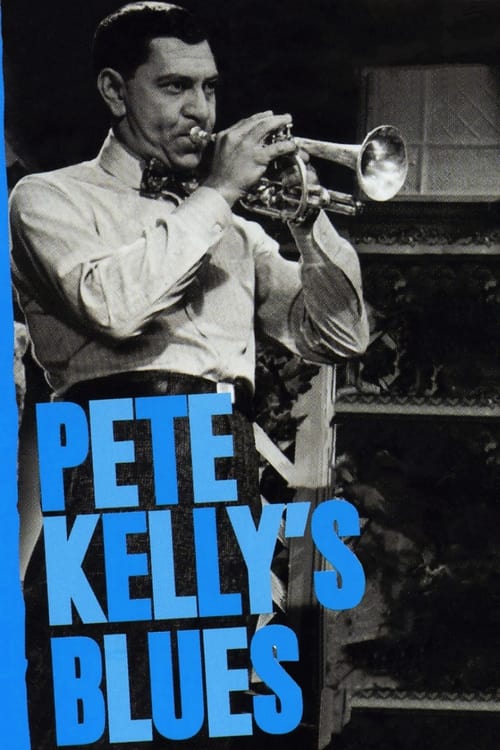
Pete Kelly's Blues
1955
No user ratings available yet
Diversity score: 2.4 out of 10

1951
NRDirector
László Kardos
Runtime
85 minutes
Average Rating
No ratings yetSynopsis
Drummer Stanley Maxton moves to Los Angeles with dreams of opening his own jazz club, but falls in with a gangster and a nightclub dancer and ends up accused of her murder.
Overall Score
Limited
Category Breakdown
LGBTQ+ Representation
The film lacks any visible queer identities or non-cisnormative characters. It appears to adhere to the restrictive social coding typical of 1951 cinema.
Gender Representation
Female characters function primarily as victims or plot catalysts. The narrative relies on traditional tropes where women serve the male protagonist's central conflict.
Racial & Ethnic Diversity
While set in the jazz scene, the film's racial composition remains unconfirmed. It likely follows the era's standard casting practices rather than offering authentic diversity.
Religious & Cultural Diversity
The story focuses on individual morality within a criminal underworld. It reinforces traditional Western values and the standard moral order of the mid-century studio era.
Disability Representation
There is no evidence of characters with physical or neurodivergent disabilities. The narrative does not address disability representation.
Strengths
Areas for Improvement
AI Analysis
The Strip is a product of the 1951 studio system, which heavily prioritized traditional moral outcomes and established social hierarchies. The narrative structure follows a standard crime drama arc, centering on a male protagonist's struggle with ambition and accusation. Representation is limited by the era's censorship standards and social norms. The film utilizes genre tropes, such as the femme fatale, rather than challenging existing gender or social structures. It functions as a conventional piece of mid-century genre filmmaking.
No reviews yet. Be the first to share your thoughts on this movie!
Use the rating form above to leave a star rating and optional review.