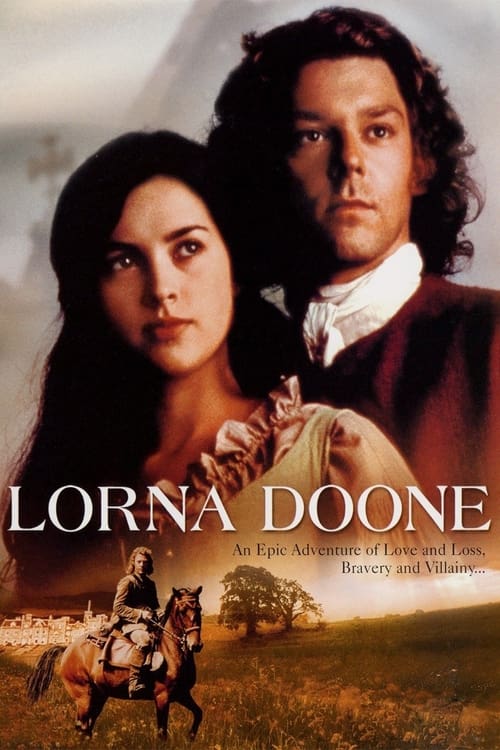
Lorna Doone
2001
No user ratings available yet
Representation score: 1.0 out of 10
Representation Score
Minimal
1990
PGDirector
Andrew Grieve
Runtime
88 minutes
Average Rating
No ratings yetNew Showbiz Analysis
Lorna Doone (1990) is a traditional period romance that emphasizes historical accuracy and classic storytelling. The narrative structure supports established social hierarchies and traditional romantic themes rather than challenging them. The film avoids exploring multi-layered complexities, focusing instead on a straightforward moral landscape. It highlights the tension between lawful communities and lawless clans, reflecting the social norms of the 17th century. Overall, the film upholds traditional social structures and gender roles, resulting in limited diversity in its representation.
Category Breakdown
The film does not include any LGBTQ+ characters or explore non-straight relationships. The main romance focuses on a traditional heterosexual couple.
Lorna is portrayed as strong-willed, but her role in the story is largely defined by her relationship with John Ridd. The film emphasizes traditional gender roles where the male character is the primary protector.
The cast is primarily made up of Anglo-Saxon actors, reflecting the historical setting in Exmoor, England. There are no characters from diverse racial backgrounds.
The story contrasts a lawful farming community with a lawless clan, emphasizing traditional Western values and the importance of social order.
There are no characters with visible or documented physical, sensory, or neurodevelopmental disabilities in the main storyline.
Present on Screen
Limited or Absent
Official Synopsis
A feisty 17th-century Scotswoman falls in love with a despised landowner, to the dismay of her father.
2001
2015
1922

1970
1997
1967
1965
1964
No reviews yet. Be the first to share your thoughts on this movie!
Use the rating form above to leave a star rating and optional review.