The Squaw Path
1967
No user ratings available yet
Representation score: 3.7 out of 10
Representation Score
Fair
1969
GDirector
Duke Redbird
Runtime
4 minutes
Average Rating
No ratings yetNew Showbiz Analysis
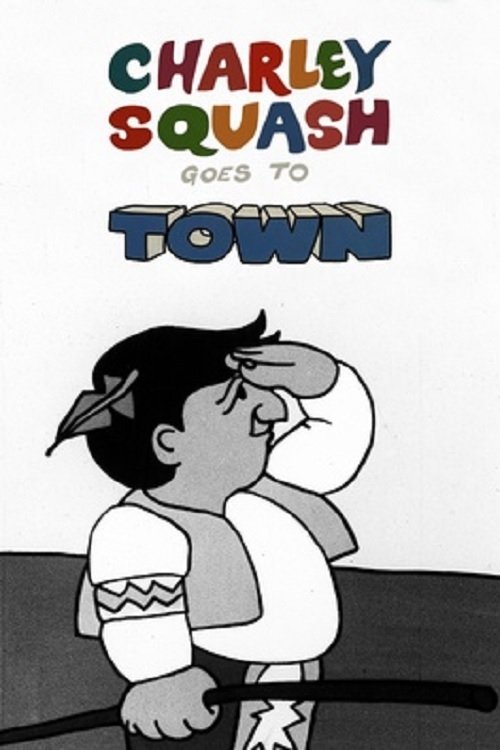
Charley Squash Goes to Town stands out for its intentional focus, driven by the Indigenous perspective of director Duke Redbird. By using his own comic-strip character, the film ensures a narrative rooted in authentic cultural experiences rather than external observation. The film's greatest strength lies in its subversion of colonial clichés. Instead of depicting the city as a pinnacle of progress, it treats urban life as a temporary displacement, ultimately celebrating the protagonist's return to his ancestral roots. However, the film's scope appears limited in terms of broader social identities. While it excels in racial and cultural ability to act, it offers little insight into gender dynamics or LGBTQ+ representation, reflecting the storytelling constraints of 1969.
Category Breakdown
The film does not include any explicit references to LGBTQ+ characters or non-straight relationships. The narrative focuses on the protagonist's journey between the reserve and the city, following traditional storytelling patterns of the time.
The story revolves around a young man's journey of self-discovery and cultural reconnection. While the protagonist navigates systemic changes, the roles and presence of female characters are not clearly defined.
The film offers exceptional representation by centering an Indigenous protagonist. It challenges assimilation clichés by presenting the character's return to his people as a successful reclaiming of identity.
The narrative disrupts Western dominance by portraying the reserve as a site of spiritual integrity. It emphasizes Indigenous sovereignty and traditional knowledge over the perceived progress of urban life.
There is no information about the portrayal of physical or neurodivergent disabilities within the available synopsis.
Present on Screen
Limited or Absent
Official Synopsis
An animated film, based on an Indigenous comic-strip character created by Duke Redbird, telling the story of a young man who leaves the reserve to make his way in the city. Eventually he returns to the reserve and the ways of his people.
1967

1998
1966
1974
1972
2015
1928
1964
No reviews yet. Be the first to share your thoughts on this movie!
Use the rating form above to leave a star rating and optional review.