From Darkness
2002
No user ratings available yet
Representation score: 4.5 out of 10
Representation Score
Good
1974
Director
Caroline Leaf
Runtime
8 minutes
Average Rating
No ratings yetNew Showbiz Analysis
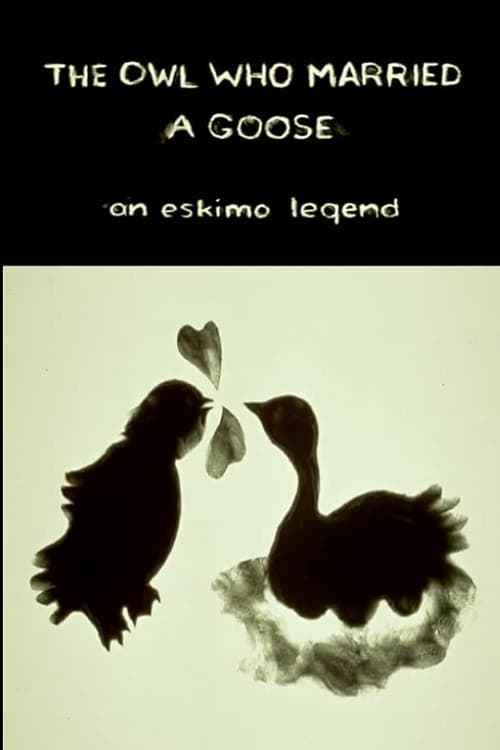
The film stands out for its commitment to cultural authenticity and the preservation of Indigenous linguistic traditions. By focusing on a non-Western narrative and using Inuktitut, it disrupts conventional cinematic expectations. While the film excels in cultural and ethnic representation, it lacks specific information regarding LGBTQ+ identity markers or gender norms. The romantic premise offers potential for non-traditional relationship modeling, though it remains unconfirmed. Overall, the work serves as a meaningful platform for non-Anglo-Saxon storytelling, enhanced by a director known for experimental and non-conformist narrative structures.
Category Breakdown
The film features a romantic attraction between an owl and a goose, challenging traditional social and biological norms. While specific LGBTQ+ identities are not explicitly defined, the inter-species relationship disrupts conventional norms.
The narrative highlights the owl's attraction to the goose, suggesting a move away from rigid gender hierarchies towards more nuanced, character-driven interactions.
The film centers an Inuit legend and uses Inuktitut for voices and sound effects, emphasizing indigenous linguistic traditions and avoiding Western-centric storytelling clichés.
Presenting the legend through its original cultural lens, the film challenges Western folklore conventions. It favors the complex, situational ethics inherent in traditional Inuit storytelling.
The available information provides no evidence regarding the portrayal of physical or neurodivergent disabilities.
Present on Screen
Limited or Absent
Official Synopsis
In this short animation based on an Inuit legend, a goose captures the fancy of an owl, a weakness for which he will pay dearly. The sound effects and voices are Inuktitut, but the animation leaves no doubt as to the unfolding action. A story with the wry humor characteristic of many Inuit tales.
2002
2011
1972
1998
1972
2015
1974
1956
No reviews yet. Be the first to share your thoughts on this movie!
Use the rating form above to leave a star rating and optional review.