
Jungle Drums
1943
No user ratings available yet
Representation score: 1.5 out of 10
Representation Score
Minimal
1942
ApprovedDirector
Dan Gordon
Runtime
8 minutes
Average Rating
No ratings yetNew Showbiz Analysis
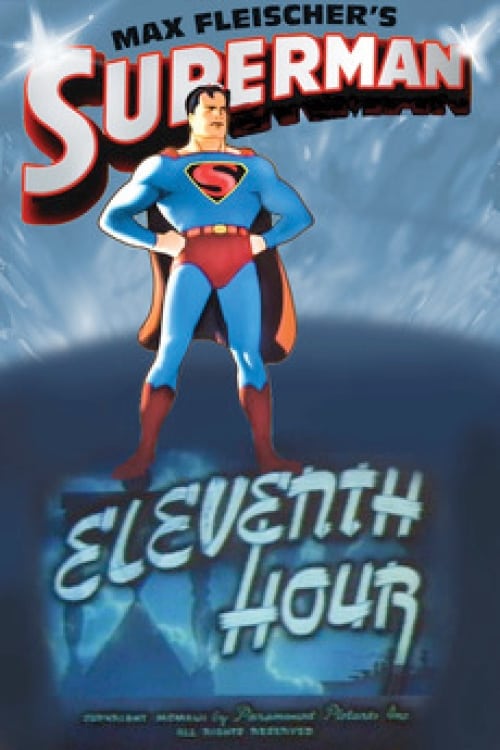
Eleventh Hour is a product of its time, functioning primarily as wartime propaganda. The narrative structure revolves around the geopolitical conflicts of 1942, prioritizing nationalistic duty and the defense of Western institutions over diverse character development. The film focuses on a singular male hero to drive the action, reinforcing established social hierarchies and avoiding engagement with complex moral perspectives. It relies on traditionalist frameworks and avoids any engagement with multi-layered identities. Ultimately, the work serves to bolster wartime sentiment through a lens of conventional heroism, offering very little representation outside of the dominant Western, masculine archetype of the early 1940s.
Category Breakdown
The film does not include any LGBTQ+ characters or stories that go beyond the assumption that everyone is straight.
The main character is a male superhero who performs dangerous combat and sabotage, reinforcing traditional ideas of masculine leadership and control.
The film involves Superman acting as a saboteur in Japan during World War II, suggesting a reliance on the era's conventional racial stereotypes and wartime sentiments.
The story aligns with Western patriotic values and nationalistic duty, presenting a clear-cut distinction between hero and enemy without considering moral complexities.
There is no indication of the portrayal of physical or neurodivergent disabilities in this production.
Present on Screen
Limited or Absent
Official Synopsis
Using Clark Kent as a cover, Superman travels to Japan as a saboteur during the war.
1943
1942
1942
1942
1942

1941
1942
1942
No reviews yet. Be the first to share your thoughts on this movie!
Use the rating form above to leave a star rating and optional review.