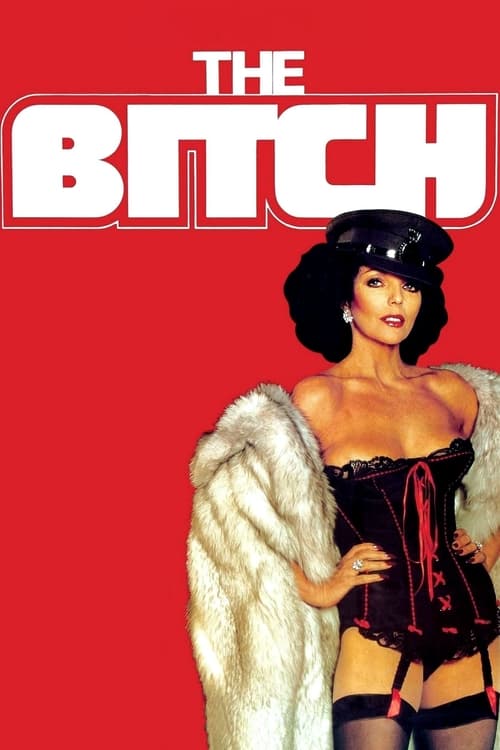
The Bitch
1979
No user ratings available yet
Diversity score: 4.8 out of 10
1977
Director
Gerry O'Hara
Runtime
90 minutes
Average Rating
No ratings yetSynopsis
Glamour model Diane Shepherd is routinely being beaten by her husband Tim, who accuses her of infidelity. When she can't take it anymore, she finds shelter with photographer Mark and his girlfriend Carrie. They introduce Diane to Millie, who is in a similar situation. Meanwhile, Tim informs Diane that if she doesn't come back to him, he will see to it that he gains custody of their son, Timmy.
Overall Score
Fair
Category Breakdown
LGBTQ+ Representation
The film lacks explicit depictions of LGBTQ+ identities or non-heteronormative pairings. The central group focuses on a domestic triad centered around a victim of abuse.
Gender Representation
The story critiques patriarchal hierarchies by centering on a woman's agency to escape domestic violence. It portrays the husband as a volatile figure rather than a stable head of household.
Racial & Ethnic Diversity
The narrative appears to follow the demographic homogeneity common in 1970s British social dramas. There is no indication of a diverse or non-Anglo-Saxon cast.
Religious & Cultural Diversity
The film challenges the sanctity of the nuclear family by framing marriage as a site of oppression. It critiques how legal institutions can be used for systemic control.
Disability Representation
There are no visible or invisible disabilities portrayed in the narrative. Consequently, no meaningful assessment of disability representation can be made.
Strengths
Areas for Improvement
AI Analysis
The film functions as a gritty social realist critique of domestic stability. It succeeds in subverting traditional gendered power dynamics by focusing on a female protagonist's struggle against a violent, unstable husband. However, the work lacks breadth in its representation of other identities. The absence of confirmed racial diversity and LGBTQ+ visibility limits the film's inclusive reach. Ultimately, while the film offers a strong critique of patriarchal and familial institutions, its demographic scope remains narrow and traditional for its era.
1979
1976

1972
1977

1979

1981
1976
1986

2015
1978
1958

2008
No reviews yet. Be the first to share your thoughts on this movie!
Use the rating form above to leave a star rating and optional review.