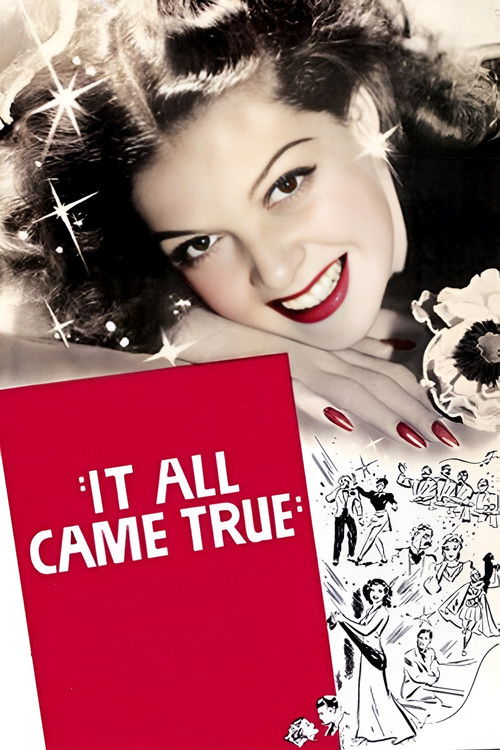
It All Came True
1940
No user ratings available yet
Representation score: 0.8 out of 10
Representation Score
Minimal
1945
ApprovedDirector
Harold Young
Runtime
63 minutes
Average Rating
No ratings yetNew Showbiz Analysis
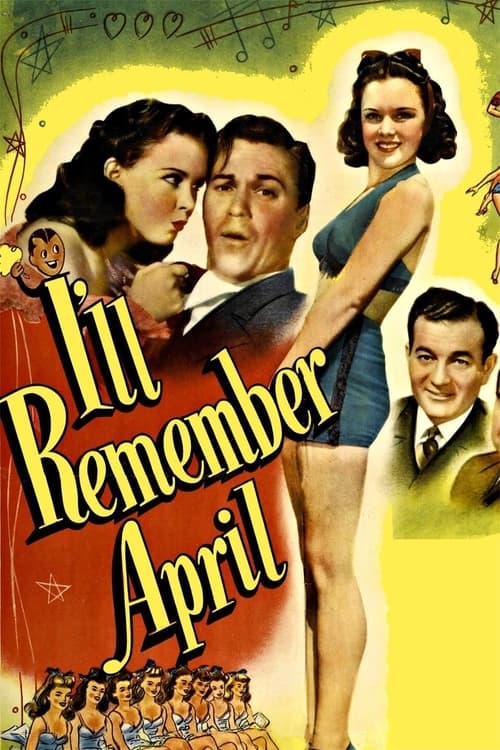
I'll Remember April is a typical mid-century musical crime comedy that strictly adheres to the cinematic conventions of 1945. The plot centers on romantic entanglements and socioeconomic shifts within a traditional Hollywood framework, offering little structural complexity to challenge existing social hierarchies. The film maintains the status quo of its era by using established character types and gendered courtship rituals. It lacks perspectives reflecting multiple aspects of identity, focusing instead on a narrow, conventional worldview. Ultimately, the production serves as a time capsule of the studio system, reinforcing traditional social and romantic structures rather than attempting to disrupt them.
Category Breakdown
The film does not feature any LGBTQ+ characters or non-straight relationships. It focuses solely on traditional romantic pairings.
Joan Bennett's character has some influence over her career and personal life, but her impact is mainly within the domestic and emotional realms.
The film features a homogeneous cast typical of the 1940s studio system. There is no indication of intentional racial diversity or varied ethnic backgrounds.
The story follows a traditional Western framework emphasizing middle-to-upper-class social dynamics. It upholds established social norms and class stability.
The film does not depict any visible or invisible disabilities. Characters are shown as physically and neurologically typical.
Present on Screen
Limited or Absent
Official Synopsis
The daughter of a formerly wealthy man tries to get a job singing on a radio show, but gets involved in a feud and murder.
1940
1938
1942
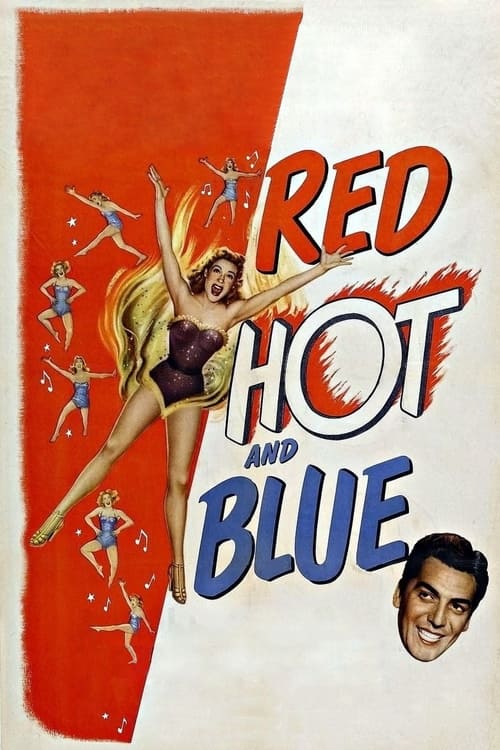
1949
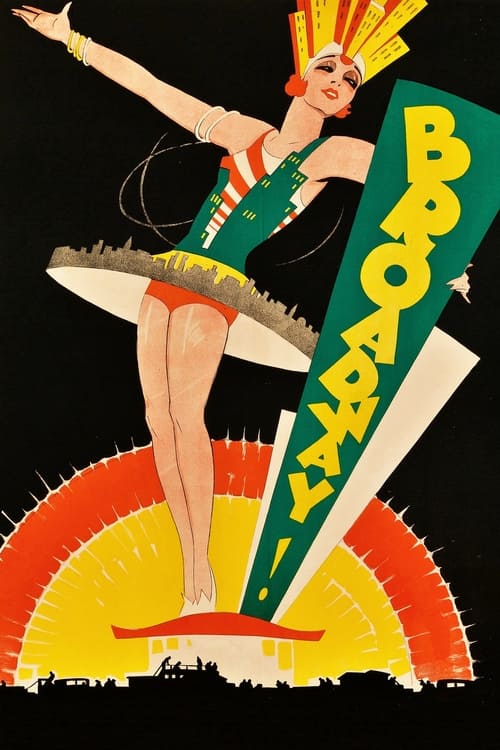
1929
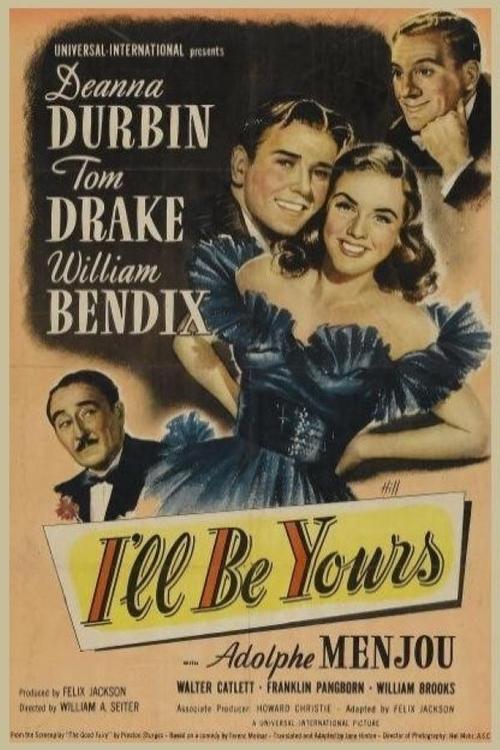
1947
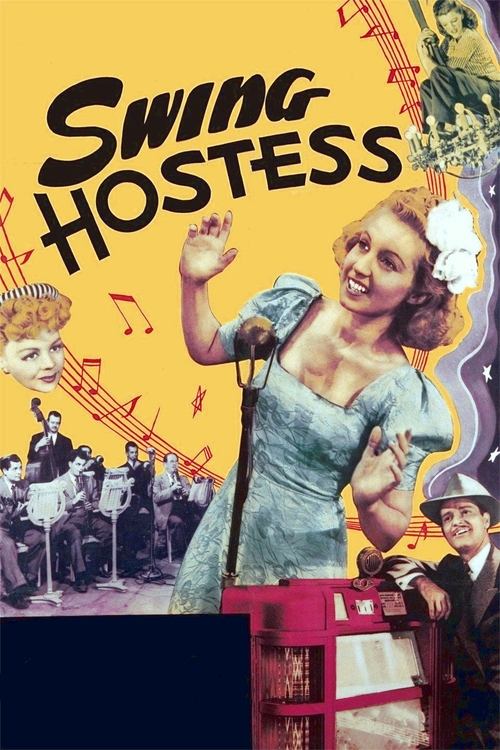
1944

1944
No reviews yet. Be the first to share your thoughts on this movie!
Use the rating form above to leave a star rating and optional review.