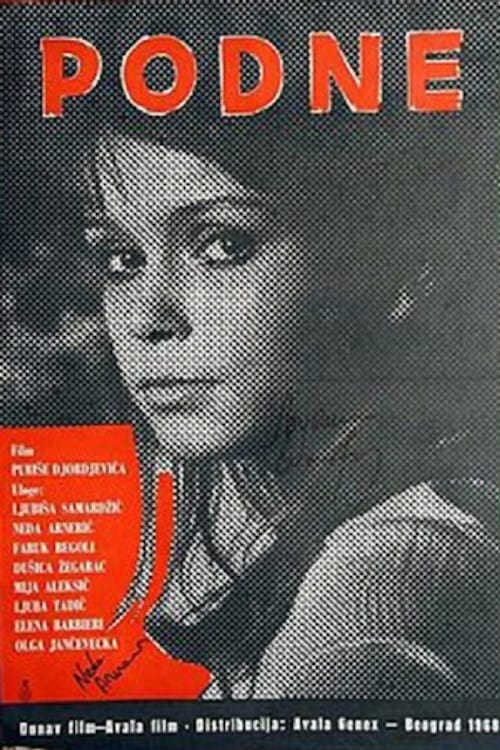
Noon
1968
No user ratings available yet
Representation score: 3.7 out of 10
No Poster Available
Representation Score
Fair
1991
Director
Marija Marić
Runtime
85 minutes
Average Rating
No ratings yetNew Showbiz Analysis
Broken Youth is a nuanced period piece that prioritizes regional specificity over homogenized storytelling. It navigates the intersection of ethnicity and domestic dissatisfaction, providing a complex view of historical social structures. The film's primary strength lies in its ethnic complexity, using a Romanian minority in Serbia to challenge standard nationalistic narratives. However, the film lacks visible representation for LGBTQ+ identities and disabilities. The focus on unhappy marriages offers potential for gendered critique, though the absence of specific character arcs limits the depth of its gender representation.
Category Breakdown
The film focuses on unhappy marriages and does not include any explicit representation of LGBTQ+ identities or narratives.
The narrative centers on unhappy marriages, allowing female characters to express discontent against inter-war social expectations and challenging traditional gender roles.
By situating the drama within a Romanian ethnic minority in Serbia, the film demonstrates intentionality regarding ethnic complexity and challenges monolithic views of Balkan history.
Set during the inter-war period, the film critiques traditional institutions and nuclear families, highlighting tensions between local traditions and shifting state powers.
There is no documented evidence regarding the portrayal of physical or neurodivergent disabilities in the film.
Present on Screen
Limited or Absent
Official Synopsis
Two parallel stories about unhappy marriages that take place during inter-war period in the Banat village within Romanian ethnic minority in Serbia.
1968
1997
1955

1983
1993
1976
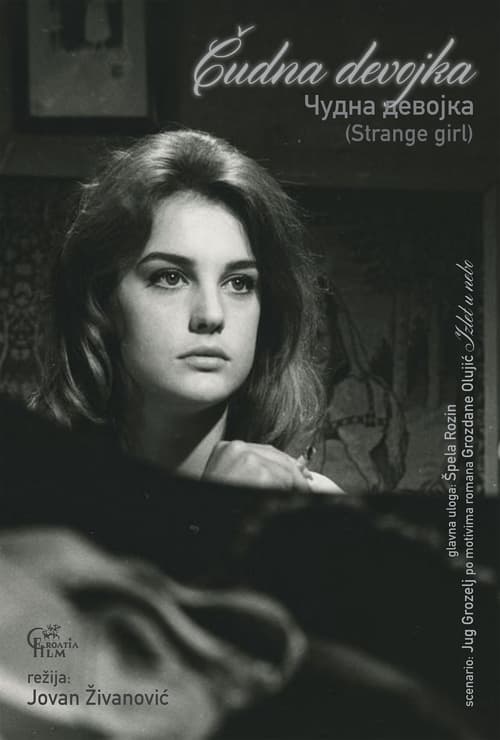
1962

1990
No reviews yet. Be the first to share your thoughts on this movie!
Use the rating form above to leave a star rating and optional review.