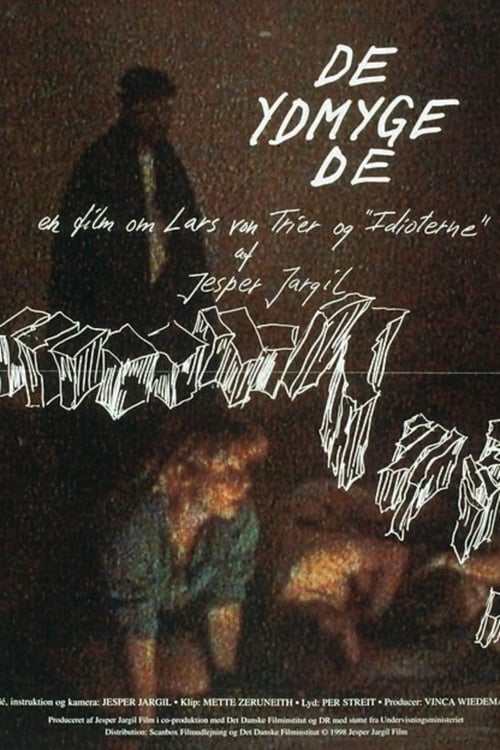
The Humiliated
1998
No user ratings available yet
Representation score: 8.0 out of 10
Representation Score
Good
1997
Director
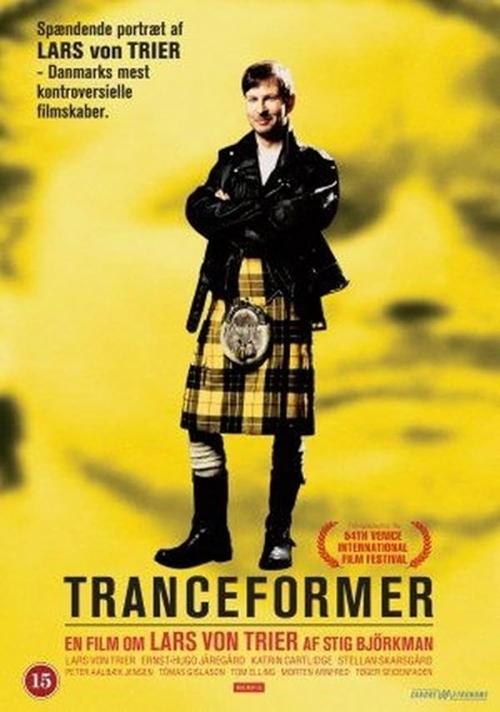
Stig Björkman
Runtime
54 minutes
Average Rating
No ratings yetNew Showbiz Analysis
Tranceformer is an intellectual study of a filmmaker who thrives on dismantling social and moral certainties. It excels at deconstructing cultural norms and traditional Western institutions through the lens of von Trier's provocative cinematic universe. However, the documentary is limited by its narrow demographic scope. It operates within a culturally homogeneous European milieu, resulting in a lack of racial and ethnic diversity. Ultimately, the film prioritizes philosophical and structural disruption over broad demographic representation, making it a specialized portrait rather than a diverse social tapestry.
Category Breakdown
The film explores von Trier's filmography, which frequently disrupts assumptions about straight relationships and challenges traditional gender roles. However, the documentary focuses primarily on the director's creative process rather than explicit LGBTQ+ character arcs.
The documentary examines a director whose work challenges traditional gender hierarchies. It engages with themes where women play a central role in driving the story, often portrayed through complex lenses that challenge traditional femininity.
The film appears to focus on a culturally homogeneous environment. There is no evidence of significant racial or ethnic diversity within the primary subject matter or the depicted social circle.
The work engages deeply with moral relativism and the deconstruction of Western institutions. It profiles a director known for challenging religious dogma, patriotism, and standard capitalist morality.
The subject's work often touches upon neurodivergence and psychological fragility. The film may explore these mental states, though it lacks a proactive mandate for disability advocacy.
Present on Screen
Limited or Absent
Official Synopsis
A portrait of Denmark's most acclaimed and controversial director, Lars von Trier. A meeting with von Trier on a private level as well as with his film universe. Filmmaker Stig Björkman follow von Trier during a period of more than two years, meet him at work, at home and at leisure. Written by Fredrik Klasson
1998

2003

2018
1999

1995

2017
2000

2006
No reviews yet. Be the first to share your thoughts on this movie!
Use the rating form above to leave a star rating and optional review.