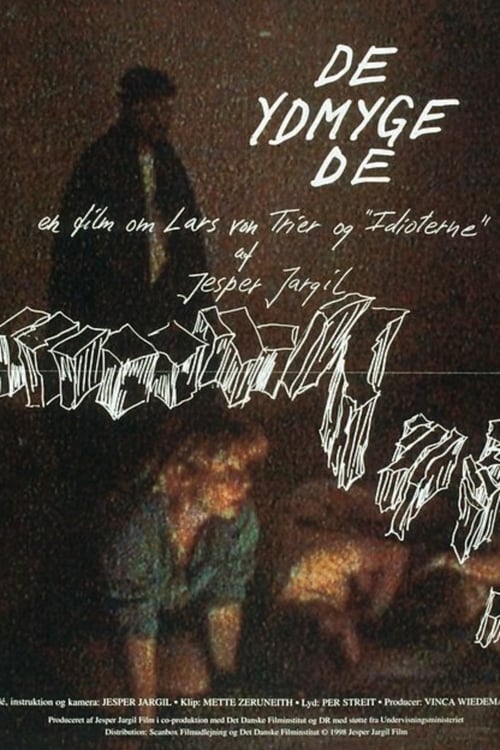
The Humiliated
1998
No user ratings available yet
Representation score: 8.0 out of 10
Representation Score
Good
2000
Director
Katia Forbert
Runtime
56 minutes
Average Rating
No ratings yetNew Showbiz Analysis
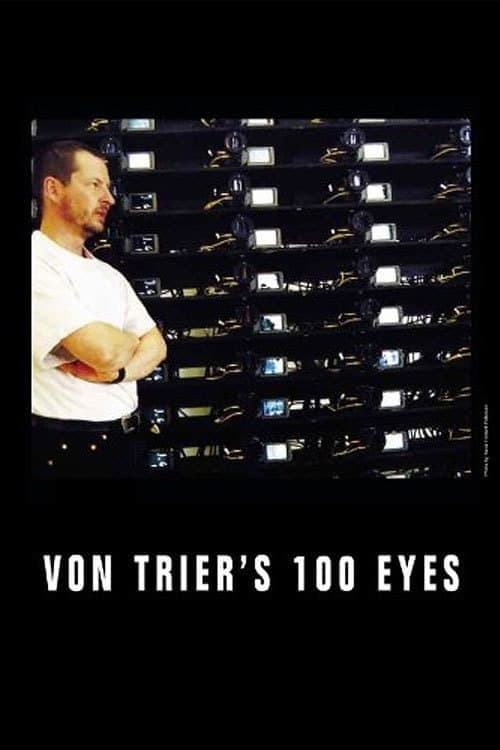
Von Trier's 100 Eyes is a compelling exploration of power dynamics, especially concerning gender. By documenting the collapse of traditional hierarchies and the director's own insecurities, it provides a unique, destabilizing look at the filmmaking process. However, the film lacks diversity in other areas, such as racial or ethnic representation, and does not include LGBTQ+ identities or stories.
Category Breakdown
The film centers on the professional relationship between the director and his collaborators, without depicting explicit LGBTQ+ storylines or romantic relationships. Instead, it focuses on the dynamics of their work together.
The documentary challenges the stereotype of the powerful male director. When Björk walks off set, she strips the director of his authority, revealing the director's fear of women and highlighting the fragility of his leadership.
The production appears to be a localized European film set. There is no explicit evidence of multi-layered racial casting or diverse ethnic representation within this specific production environment.
The film emphasizes psychological authenticity rather than polished heroism. It dismantles the artist archetype by showcasing the dysfunction and emotional instability inherent in the creative process.
Though physical disabilities are not highlighted, the film delves into intense emotional vulnerability. The director's documented insecurities provide a nuanced look at the psychological pressures faced in high-stress environments.
Present on Screen
Limited or Absent
Official Synopsis
Although at first sight this might look like a simple ‘making of DANCER IN THE DARK’, the later developments in the film reveal the whole drama of Lars von Trier’s inner life during the shooting process. All his doubts and insecurities in collaborating with the crew and actors - especially actresses - are exposed. The biggest drama started when Björk walked off the set. Nobody knew whether she would be back or not. Admitting that he feels threatened by women, who can ‘make him feel embarrassed’, the director gives this documentary the nature of a personal diary. When he discusses the importance, purpose and beauty of the use of a hundred cameras in a certain sequence or the meaning of the Dogma 95 rules, the audience is witnessing the process of the artist’s search. Is the pain that the director went through during the shooting really visible in the final result, as Lars von Trier claims in this film? (from: http://www.idfa.nl/)
1998
2003
2004
1999

1997

2012

1988
![Movie poster for Streetscapes [Dialogue]](https://image.tmdb.org/t/p/w500/lbaDCCZJ6xwvNLO5qFDBmjnjaOH.jpg)
2017
No reviews yet. Be the first to share your thoughts on this movie!
Use the rating form above to leave a star rating and optional review.