Flic Story
1975
No user ratings available yet
Representation score: 3.2 out of 10
Representation Score
Limited
2014
Not RatedDirector
Cédric Anger
Runtime
111 minutes
Average Rating
No ratings yetNew Showbiz Analysis
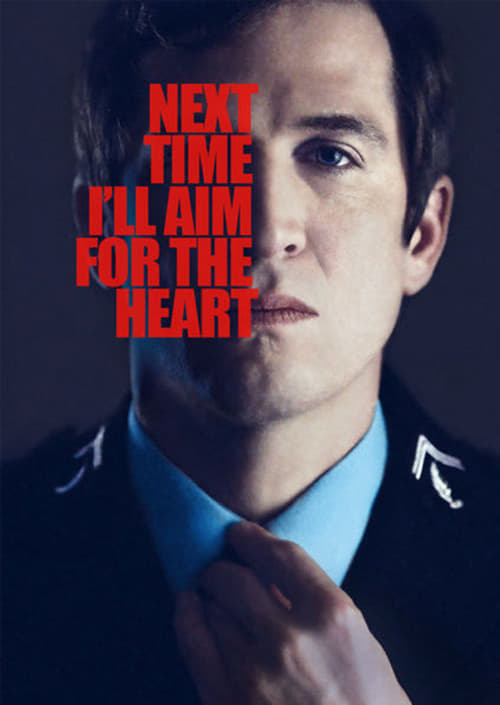
Next Time I'll Aim for the Heart is a period-specific crime thriller that prioritizes psychological depth over broad diversity. Its narrow demographic scope is a byproduct of its commitment to historical realism in 1970s France. The film excels in its deconstruction of institutional authority and its complex portrayal of a fractured mind. It avoids simple heroic archetypes, opting instead for a gritty, situational realism. However, the film's reliance on traditional gender roles and a homogeneous cast limits its diversity. The depiction of mental health also leans heavily on genre clichés rather than nuanced representation.
Category Breakdown
The film does not include any LGBTQ+ characters and does not explore non-straight relationships or identities. The story focuses entirely on the protagonist's psychological descent and crime procedural elements.
The narrative centers on the male experience and professional identity. Women appear in traditional supporting roles that do not challenge or subvert the established gender hierarchies of the era.
The cast is predominantly made up of individuals from similar backgrounds, reflecting the specific French historical context and demographic reality of the late 1970s. It functions as a localized study of a specific social milieu.
The film provides a nuanced critique of state institutions and authority. It moves away from traditional morality toward a more situational, psychological realism regarding law and order.
The story explores neurodivergence through the protagonist's fractured psyche. However, it often uses mental instability as a thriller cliché rather than providing real ability to act to a character with a recognized disability.
Present on Screen
Limited or Absent
Official Synopsis
Between 1978 and 1979, the inhabitants of the Oise are in fear of a maniac who kills several hitchhikers and escape the police. He was then dubbed "the killer of the Oise" is actually a shy young policeman who will investigate his own murder, only to lose control of the situation.
1975

2019
2004
2009
2004
2017
2001
1968
No reviews yet. Be the first to share your thoughts on this movie!
Use the rating form above to leave a star rating and optional review.