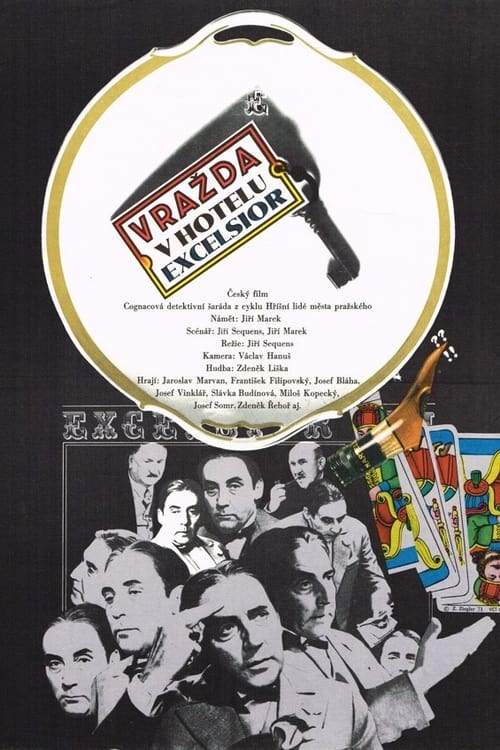
Murder in the Excelsior Hotel
1971
No user ratings available yet
Representation score: 2.8 out of 10
Representation Score
Limited
1971
Director
Jiří Sequens
Runtime
93 minutes
Average Rating
No ratings yetNew Showbiz Analysis
This crime drama prioritizes noir aesthetics and character-driven tragedy over modern approaches that consider multiple aspects of identity. The narrative structure remains traditional in its demographic composition, focusing heavily on interpersonal conflicts centered around heterosexual relationships. While the film offers a complex look at a woman navigating the fringes of society, it lacks ethnic or LGBTQ+ diversity. The setting and cast reflect the historical homogeneity of 1971 Eastern Europe.
Category Breakdown
The story focuses on heterosexual relationships between Anna and her male partners, Toufar and Penicka, without any queer subtext.
Anna is a central figure whose personal choices drive the investigation. While she plays a significant role, her character remains tied to traditional archetypes like the tragic woman or femme fatale.
The film depicts a culturally homogeneous Czechoslovakian society. Set in 1971 Prague, the cast and setting reflect the era's lack of ethnic pluralism.
The narrative explores social exclusion and the breakdown of domestic stability. It uses the criminal underworld to critique social stability through the lens of human desperation.
There are no visible or invisible disabilities central to the character arcs or plot development in this narrative.
Present on Screen
Limited or Absent
Official Synopsis
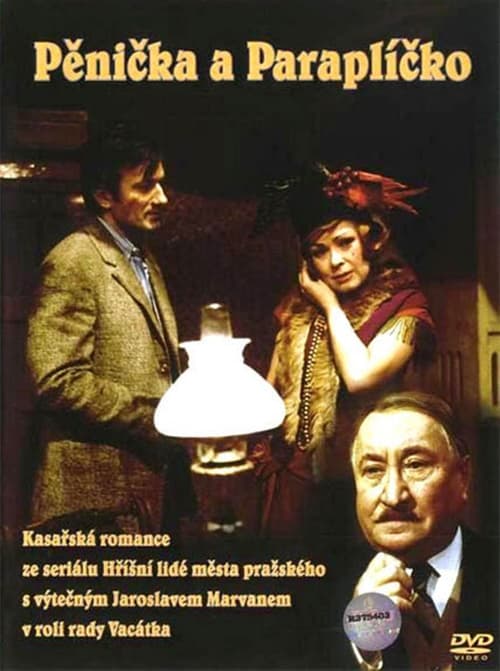
In the morning twilight of Prague, the dead body of the safe-breaker Toufar is found floating on the river Vltava with a knife in his back. Police inspectors visit Toufar's lover, the prostitute Anna Kulatá (Jirina Bohdalová), nicknamed Umbrella, and it is apparent that the moment before she opened the door of her flat, someone fled through the window. Umbrella is summoned for examination to the head of the criminal police - Police Councilman Vacátko Jaroslav Marvan, but although shocked by the photograph of the dead man, she does not confess to anything. Before Toufar, Umbrella lived with the safe-breaker Penicka (Radoslav Brzobohatý), who loved her very much and made her quit her street trade. But when he was sentenced to three years' imprisonment, Umbrella began to live with the brute Toufar, who chased her to street again. In the case of the murder, Penicka is therefore the prime suspect.
1971

1952
1971
1937
1980
1991
1964
1972
No reviews yet. Be the first to share your thoughts on this movie!
Use the rating form above to leave a star rating and optional review.