
A Woman's Revenge
2012
No user ratings available yet
Diversity score: 5.6 out of 10
1990
Director
Rita Azevedo Gomes
Runtime
93 minutes
Average Rating
No ratings yetSynopsis
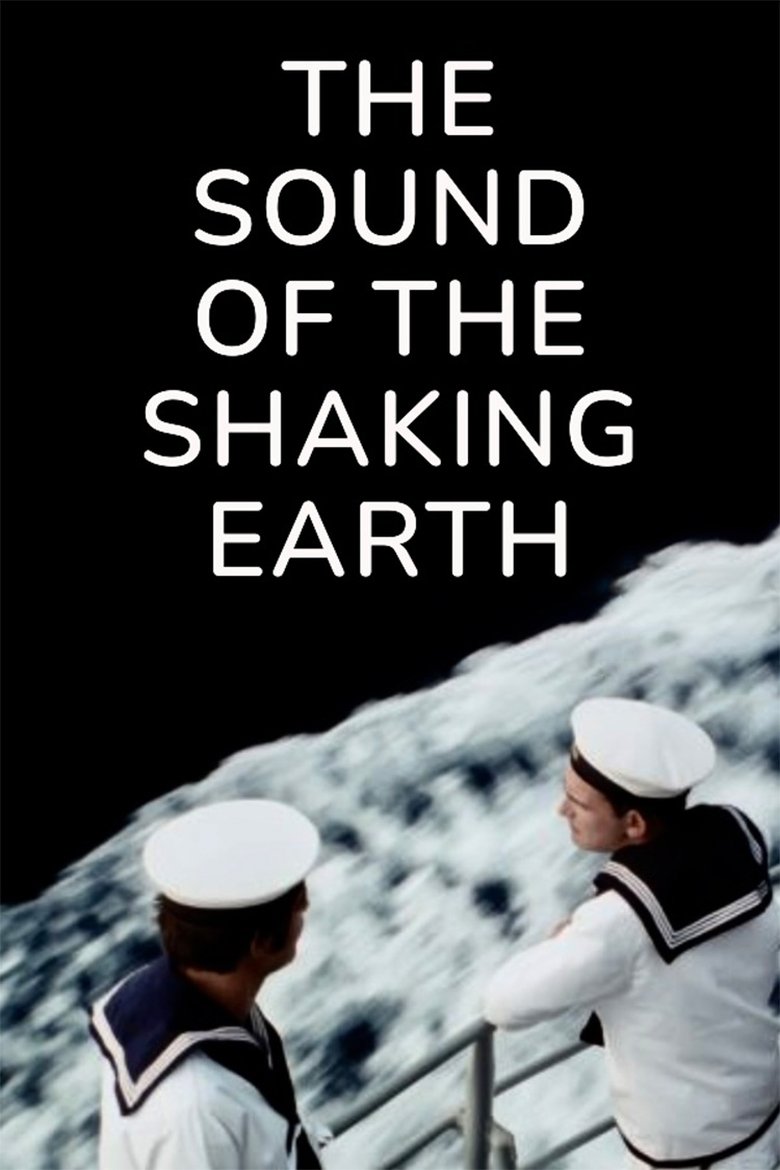
Freely based on Gide ('Paludes') and Hawthorne ('Wakefield'), this is a film about a writer who never wrote anything and who blows at nightfall the breath of frost. The poem by Carlos Queiroz to which the above sentences belong is not cited in 'O som da Terra a Tremer', but the atmosphere is that, between written letters never received. Fiction within fiction, stories within stories, like those Chinese boxes in which there is always one inside another. Or the two margins of the same river, always being lateral.
Overall Score
Fair
Category Breakdown
LGBTQ+ Representation
The film's focus on internal longing and unrequited connection creates a structural space for non-traditional relational dynamics. While specific queer intimacy is not explicitly detailed, the narrative departs from heteronormative, goal-oriented life paths.
Gender Representation
The protagonist subverts traditional masculine archetypes by prioritizing inaction and internal reflection over external conquest. This focus on stillness rather than leadership disrupts conventional expectations of masculine agency.
Racial & Ethnic Diversity
As a Portuguese production rooted in European and American literary traditions, the film reflects its specific era and setting. The demographic landscape appears to follow a traditional European cinematic context.
Religious & Cultural Diversity
The narrative prioritizes individual psychological truth and existentialism over institutional or religious dogma. It deconstructs intellectual hierarchies by replacing the authoritative writer with a figure of stillness.
Disability Representation
There is no evidence regarding the portrayal of physical or neurodivergent disabilities within the available narrative description.
Strengths
Areas for Improvement
AI Analysis
Rita Azevedo Gomes delivers a contemplative drama that favors atmospheric depth and psychological interiority over conventional plot structures. By utilizing a 'fiction within fiction' architecture, the film disrupts linear storytelling to explore themes of existential isolation and unfulfilled potential. The work succeeds in challenging traditional social and professional productivity through its impressionistic approach. It replaces high-agency tropes with a nuanced study of the human condition, centered on the fragmentation of communication and unwritten histories. However, the film remains anchored in a traditional European cinematic landscape. While it subverts certain gendered archetypes through character inaction, it lacks explicit evidence of diverse racial or disability representation.
2012

2013
1997

2009

2022
2002

2001
2016
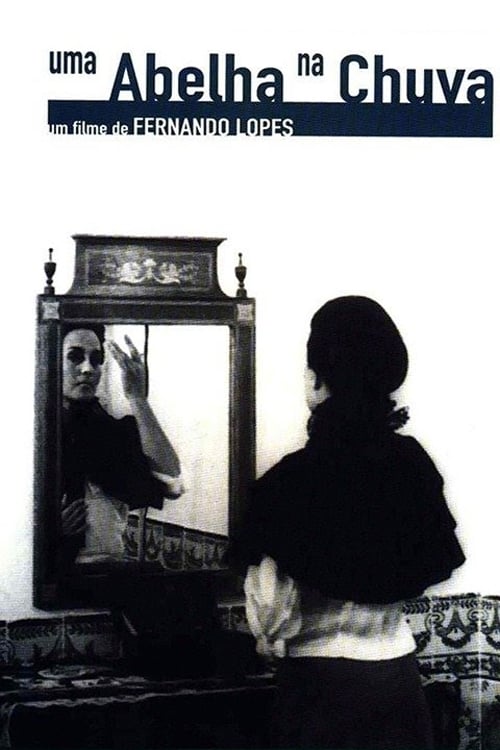
1972
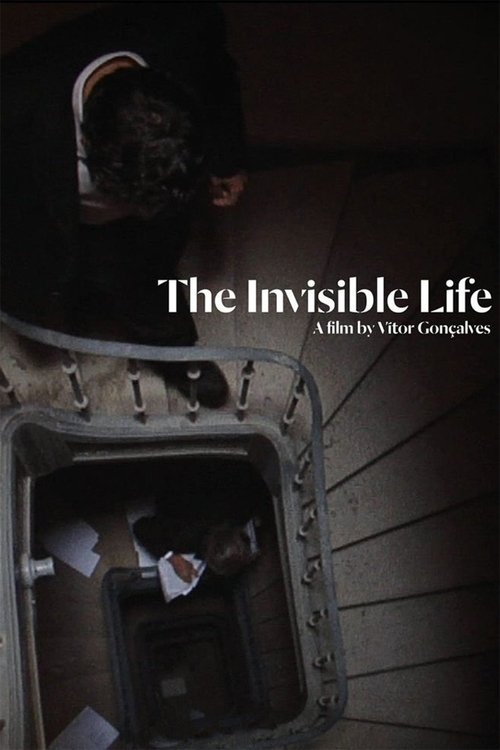
2013
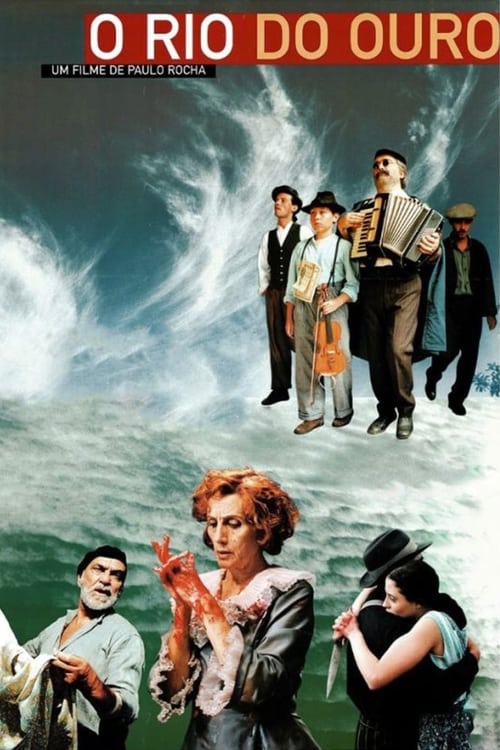
1998
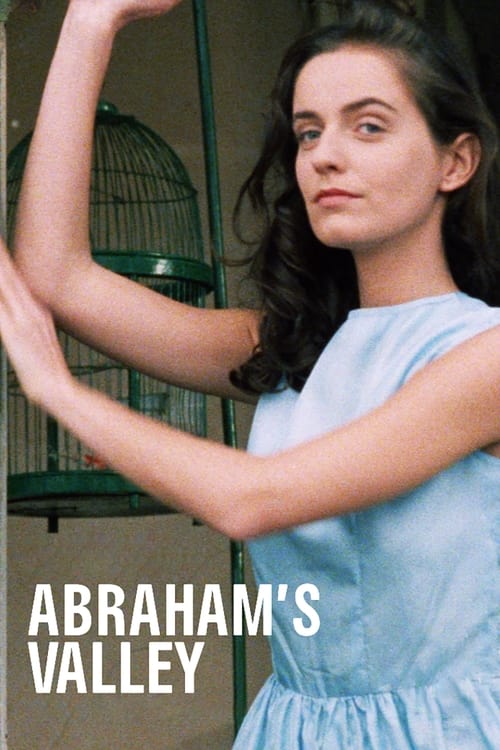
1993
No reviews yet. Be the first to share your thoughts on this movie!
Use the rating form above to leave a star rating and optional review.