Eternity
2018
No user ratings available yet
Representation score: 4.1 out of 10
Representation Score
Fair
2022
Director
Alejandro Loayza Grisi
Runtime
88 minutes
Average Rating
No ratings yetNew Showbiz Analysis
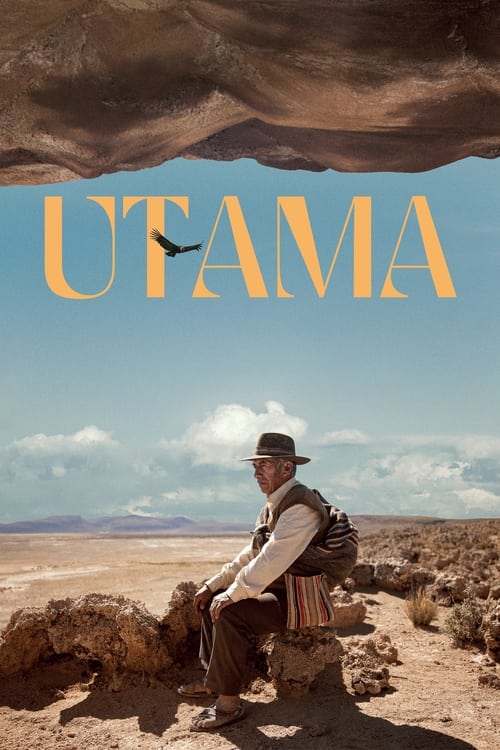
Utama is a powerful film that centers Indigenous sovereignty through a minimalist, rhythmic lens. It offers a post-colonial perspective by validating traditional ways of life. The film's greatest strength lies in its authentic racial and cultural representation, avoiding including someone from a minority group without giving them real depth by presenting a world grounded in lineage and land rather than Western culture. However, the film remains limited in exploring non-traditional gender roles and specific disability narratives.
Category Breakdown
The film does not include any LGBTQ+ characters or stories. It focuses solely on the survival and community of a Quechua couple.
Gender roles align with traditional farming communities, but the female protagonist plays a key role in driving the story. Her physical strength and upcoming motherhood serve as the emotional core of the film.
The film features an authentic Indigenous cast, entirely made up of Quechua actors. It avoids the outsider’s perspective by focusing on an Indigenous worldview connected to the land.
The film emphasizes spiritual connections to nature rather than Western consumerism. It portrays a lifestyle centered around subsistence and seasonal cycles, away from modern globalization.
The film does not feature any characters with visible or invisible disabilities. Instead, it highlights the physical demands of hard labor and living in harsh conditions.
Present on Screen
Limited or Absent
Official Synopsis
In the Bolivian altiplano, Virginio and Sisa, an elderly Quechua couple who have lived a quiet life for years, face an impossible dilemma during an unusually long drought: resist or be defeated by the hostile environment and the relentless passage of time.
2018
1963
2012
2019

2006

2019
2020

2022
No reviews yet. Be the first to share your thoughts on this movie!
Use the rating form above to leave a star rating and optional review.