
Heaven's Story
2010
No user ratings available yet
Representation score: 7.4 out of 10
Representation Score
Fair
1994
Director
Takahisa Zeze
Runtime
62 minutes
Average Rating
No ratings yetNew Showbiz Analysis
The Dream of Garuda is a transgressive psychological drama that prioritizes exploring human depravity over progressive representation. Its narrative structure is centered around themes of obsession, vengeance, and social transgression rather than challenging traditional hierarchies. While the film challenges the sanctity of the social order by depicting crime and psychological instability, it does not use multi-layered identities to achieve this. The work studies the breakdown of the social contract through a lens of trauma and predatory behavior. Ultimately, the film's focus on a male protagonist's violent pursuit of female subjects results in a narrow, non-inclusive perspective that reinforces rather than disrupts traditional power structures.
Category Breakdown
The film does not include any explicit LGBTQ+ characters or non-straight identities. The story focuses on a violent and obsessive relationship between individuals.
The story reinforces harmful gender power dynamics. Women are primarily shown as objects of obsession or targets of aggression within a predatory masculinity framework.
As a Japanese production, the film operates within a specific domestic social context. There is no evidence of diverse casting or multi-layered racial representation to challenge ethnic hierarchies.
The film critiques social stability by focusing on the fringes of society, such as prostitution. It explores moral relativism through the protagonist's psychological journey and anti-social behavior.
There is no documented evidence of characters with physical or neurodivergent disabilities being portrayed with ability to act. The focus remains on psychological issues and victimization.
Present on Screen
Limited or Absent
Official Synopsis
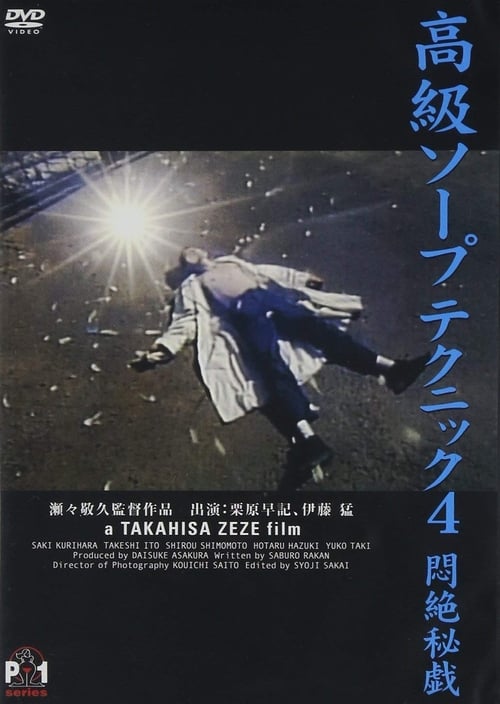
A convicted rapist, Ikuo is released from prison and goes in pursuit of the woman he raped, Mieko. So obsessed is he with revenge he sees her in every woman he meets. After carrying out vicious attacks on a prostitute and a young girl he finally comes face to face with her.
2010

1979

1987
1972

1972

2009

1997

2000
No reviews yet. Be the first to share your thoughts on this movie!
Use the rating form above to leave a star rating and optional review.