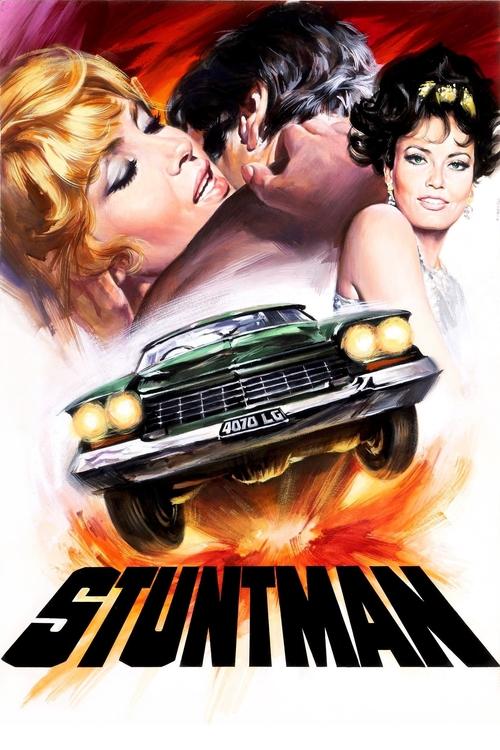
Stuntman
1968
No user ratings available yet
Representation score: 1.3 out of 10
Representation Score
Limited
1984
TV-PGDirector
Enzo Barboni
Runtime
100 minutes
Average Rating
No ratings yetNew Showbiz Analysis
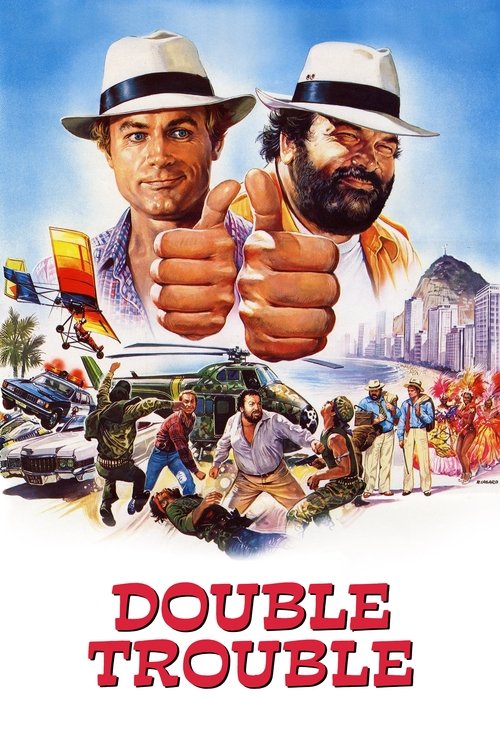
Double Trouble is a classic Spaghetti Western comedy that emphasizes physical comedy and fast-paced action over social commentary. The film uses the doppelgänger and mistaken identity clichés to advance its plot, focusing on individual heroics rather than exploring complex identities. The narrative adheres to traditional structures that reinforce established genre conventions. It lacks the complexity needed to explore layered social issues, favoring straightforward character types and physical humor. Overall, the film serves as light-hearted entertainment. It does not aim to challenge conventional ideas of power or identity, staying true to the demographic and social norms of its time.
Category Breakdown
The film follows traditional assumptions about straight relationships and does not include characters with non-binary genders or sexualities.
Male characters drive the story through action and humor roles. Female characters have limited influence and do not challenge traditional gender roles.
The cast reflects the homogeneity typical of mid-century Western films. There is no indication of actors from diverse backgrounds playing key roles.
The story focuses on individual adventures and personal ethics. It does not address institutional or cultural critiques of religion and patriotism.
There is no representation of visible or invisible disabilities among the characters. The characters are defined by their ability to perform action-comedy roles.
Present on Screen
Limited or Absent
Official Synopsis
A stuntman and a saxophonist stand in for two billionaires threatened by killers.
1968
1977
1981
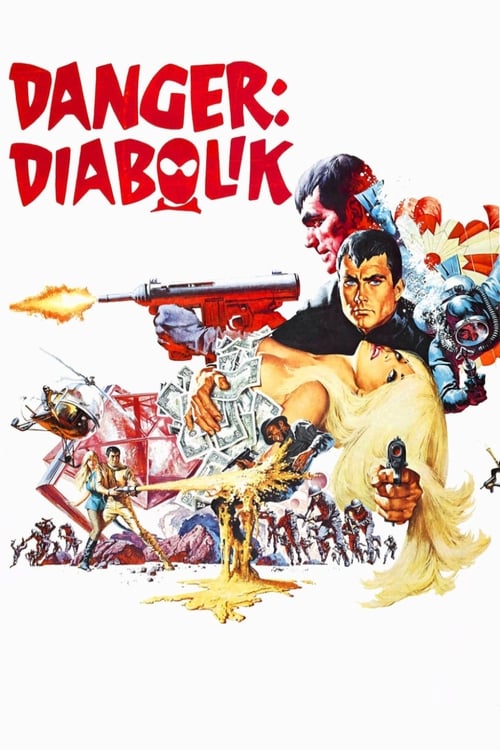
1968
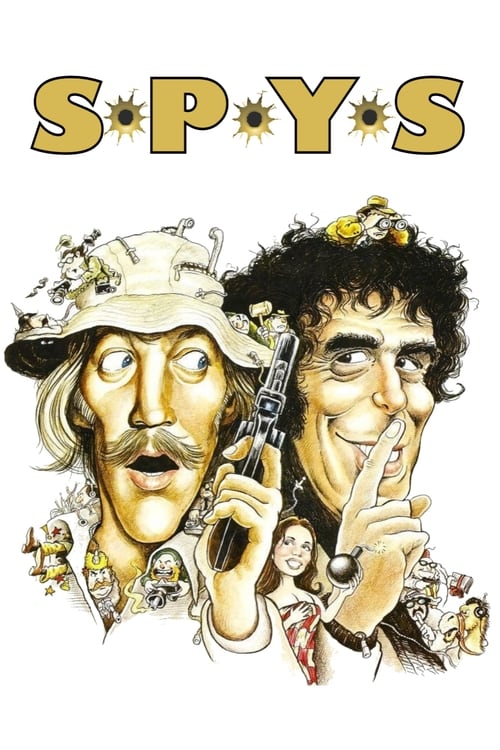
1974
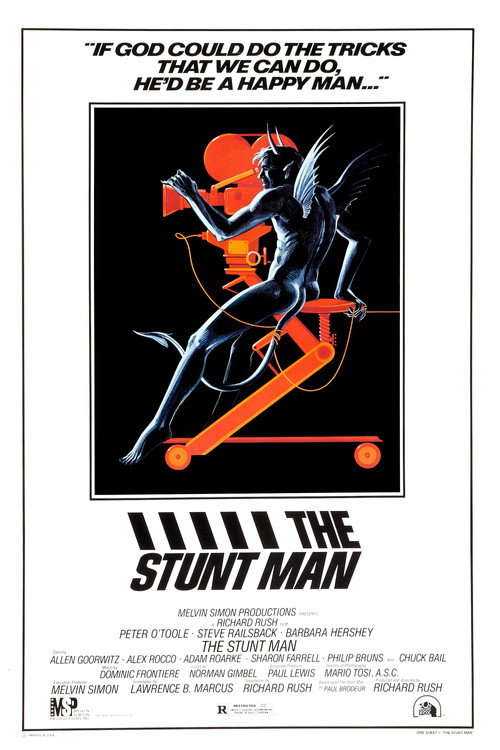
1980
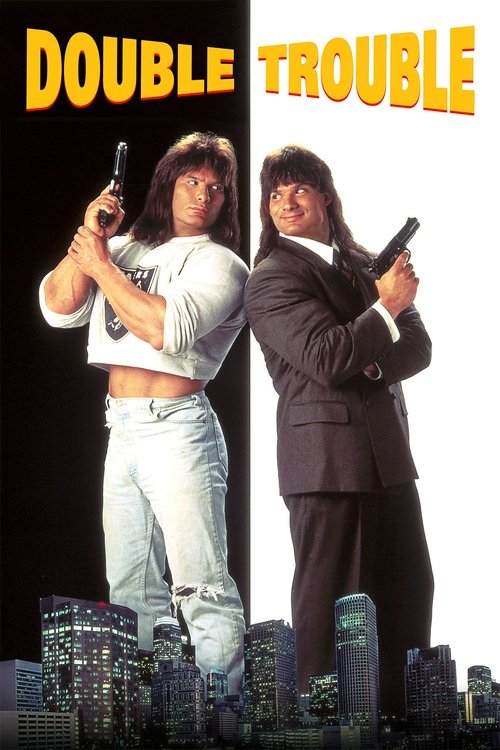
1992
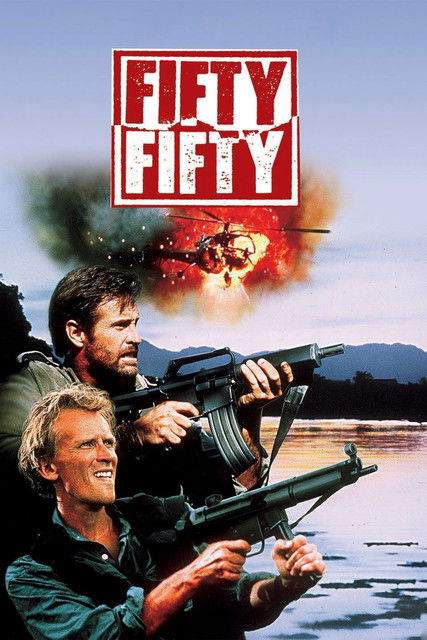
1993
No reviews yet. Be the first to share your thoughts on this movie!
Use the rating form above to leave a star rating and optional review.