
Licensed to Love and Kill
1979
No user ratings available yet
Diversity score: 3.2 out of 10
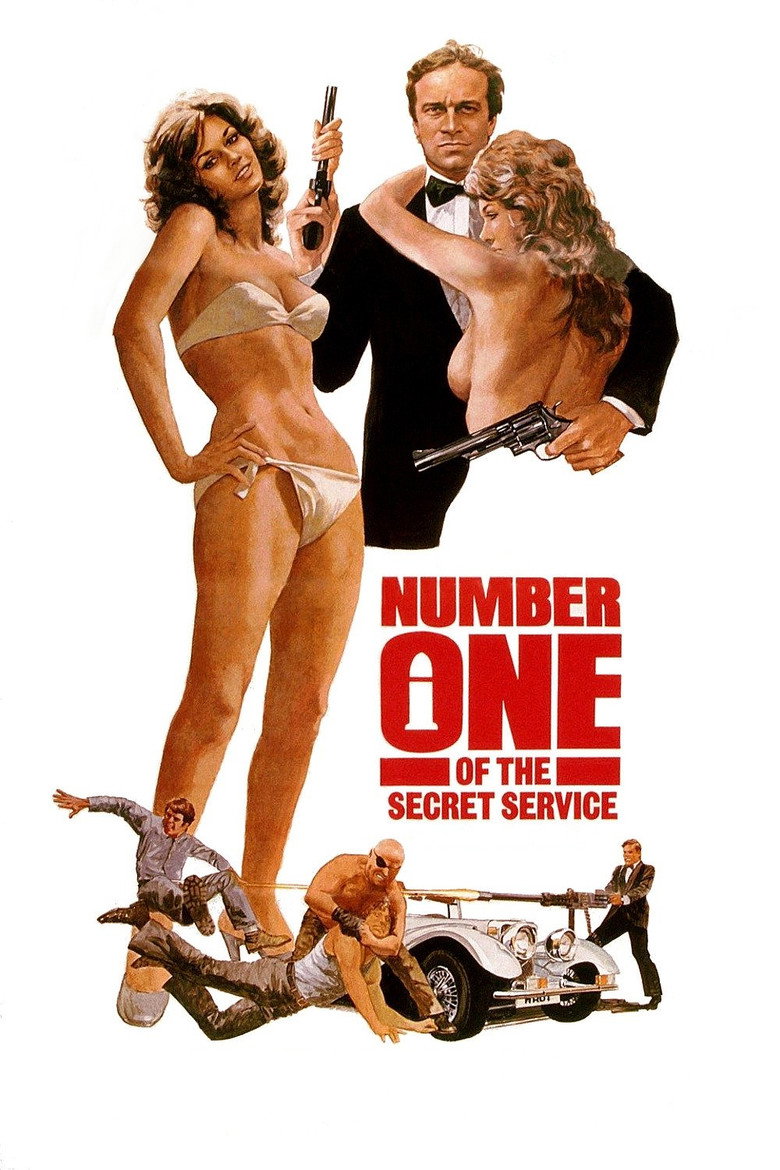
1977
PGDirector
Lindsay Shonteff
Runtime
91 minutes
Average Rating
No ratings yetSynopsis
No. 1 is fearless, irrestible, and licensed to kill. No. 1 is assigned to capture a madman killing international financiers. Before getting the bad guy, No. 1 encounters mercenaries from the evil organization K.R.A.S.H. (Killing, Rape, Arson, Slaughter, and Hit).
Overall Score
Limited
Category Breakdown
LGBTQ+ Representation
The film operates within the conventional frameworks of 1970s action-comedy. There is no evidence of non-cisnormative gender identities or narratives that critique heteronormativity.
Gender Representation
The narrative centers on a fearless, irresistible male protagonist. This reinforces traditional masculine leadership and competence without evidence of subverting gendered power dynamics.
Racial & Ethnic Diversity
While the plot involves international financiers and a global mercenary group, the casting likely adheres to Western-centric patterns. There is no evidence of a non-white majority cast.
Religious & Cultural Diversity
The story utilizes a standard hero versus villain framework common to the spy genre. It supports traditional institutional stability rather than critiquing Western economic structures.
Disability Representation
The available information provides no mention of characters with visible or invisible disabilities. There is no data regarding the portrayal of neurodivergence or physical impairments.
Strengths
Areas for Improvement
AI Analysis
No. 1 of the Secret Service is a quintessential 1970s genre piece that prioritizes kinetic action and established tropes over social subversion. The film relies heavily on the traditional masculine hero archetype, centering agency in a male protagonist while maintaining conventional gender hierarchies. Narratively, the film reinforces the status quo by framing the conflict around protecting international financiers from a criminal organization. This focus on institutional stability suggests a lack of interest in critiquing existing social or economic power structures. Ultimately, the production reflects the standard casting and storytelling patterns of European exploitation cinema from its era. It lacks the intentionality required to expand representation or disrupt traditional social norms.
1979
2021

1964

1979

1966
1984
1968
1990
1997
1965

2003

1978
No reviews yet. Be the first to share your thoughts on this movie!
Use the rating form above to leave a star rating and optional review.