
Body Brokers
2021
No user ratings available yet
Representation score: 4.2 out of 10
Representation Score
Fair
2015
Director
Tate Steinsiek
Runtime
90 minutes
Average Rating
No ratings yetNew Showbiz Analysis
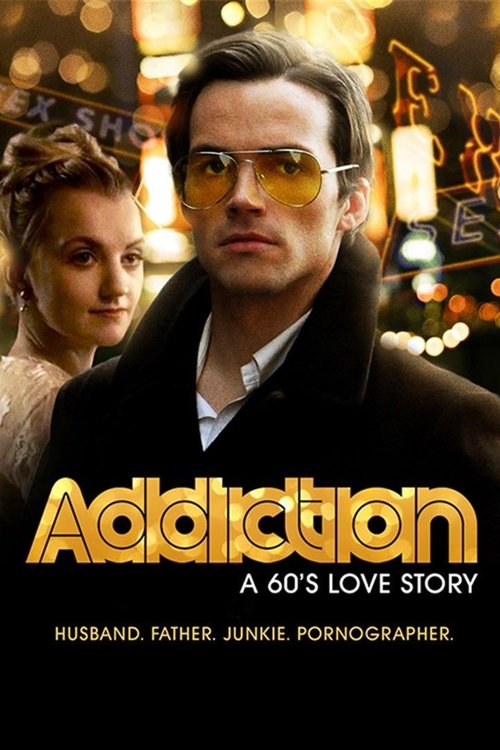
Addiction: A 60's Love Story operates as a conventional period crime thriller. The narrative architecture prioritizes the psychological collapse of a singular male protagonist within a traditional domestic framework. While the film examines the fragility of social institutions and the underground economy of 1968, it lacks complexity in reflecting multiple aspects of identity. The storytelling follows established genre clichés rather than challenging identity hierarchies. Ultimately, the film focuses on individual struggle and the dissolution of a well-crafted reality, offering a character study that remains within a narrow, traditional demographic lens.
Category Breakdown
The story centers on a family structure that assumes everyone is straight and cisgender. There is no evidence of characters with diverse gender identities or critiques of these assumptions.
The film relies on traditional gender roles, focusing on the 'family man' archetype. It explores family dissolution through a male protagonist's struggle rather than elevating women's roles.
Set in 1968 New York, the film involves organized crime clichés. However, the focus remains on a specific family unit without indicating a diverse or non-Anglo-Saxon cast.
The narrative critiques the stability of traditional Western institutions like the nuclear family. It functions primarily as a character study of personal and social collapse.
Addiction is a central theme, serving as a depiction of chronic dependency. It often acts as a plot device to drive tension rather than exploring nuanced experiences of disability.
Present on Screen
Limited or Absent
Official Synopsis
Family man Max Bornstein was a full-time dope fiend working within the underground, highly illegal pornography industry in 1968’s New York City. While running books and films to delivery points and mob headquarters around the east coast, Max had the Feds on his tail. But even in the wake of a federal investigation, his truest worry was his wife and two young children, a family kept in the dark about his dealings and the walls of it caving in around him. As he battles his consuming addiction, dissolving family unit and the growing suspicion about his drug use amongst his associates, Max watches helplessly as his well-crafted reality falls to pieces, leaving him searching for the spaces in between.
2021

1991
1995

2015

2023
1982
2018

1955
No reviews yet. Be the first to share your thoughts on this movie!
Use the rating form above to leave a star rating and optional review.