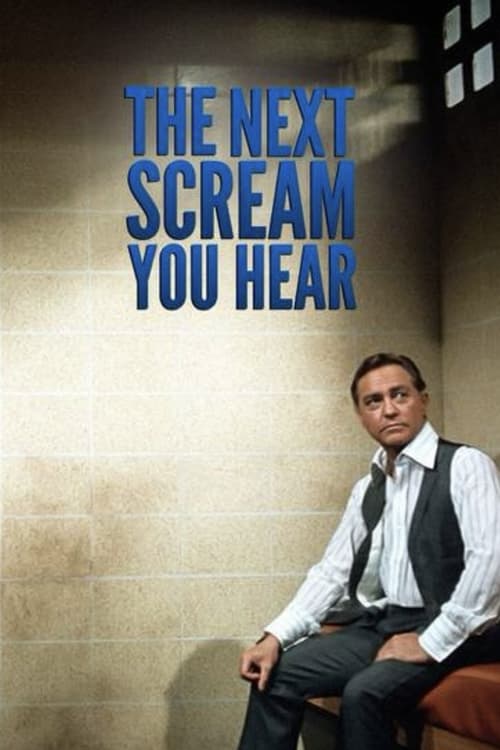
The Next Scream You Hear
1974
No user ratings available yet
Diversity score: 3.9 out of 10
1973
Director
John Badham
Runtime
73 minutes
Average Rating
No ratings yetSynopsis
A small-town sheriff is confronted with the deaths of local senior citizens and strange goings-on in his town.
Overall Score
Limited
Category Breakdown
LGBTQ+ Representation
The film adheres to heteronormative social structures typical of 1970s television. The plot focuses on a traditional romance between the protagonist and Mrs. Tate, with no queer subtext present.
Gender Representation
While Mrs. Tate displays domestic agency by attempting to dictate household terms, the central mystery is driven by a male authority figure. Female characters largely occupy supportive or domestic roles.
Racial & Ethnic Diversity
The setting and cast reflect a homogeneous demographic within a small-town New England village. There is no indication of racial blending or non-white majority casting.
Religious & Cultural Diversity
The narrative is rooted in traditional Western structures and community cohesion. It utilizes small-town mystery tropes that reinforce social order rather than critiquing Western institutions.
Disability Representation
There is no evidence of characters with visible or invisible disabilities serving as central narrative drivers or plot devices.
Strengths
Areas for Improvement
AI Analysis
This 1973 television film operates as a conventional genre piece, reflecting the standard social hierarchies of its era. The narrative relies on established archetypes, particularly within its small-town New England setting. While the film offers minor nuances through Mrs. Tate's domestic agency, it fails to disrupt traditional expectations regarding race, gender, or identity. The story remains centered on a male protagonist navigating a homogeneous community. Ultimately, the work functions as a reflection of 1970s broadcasting norms rather than a vehicle for progressive or intersectional storytelling.
No reviews yet. Be the first to share your thoughts on this movie!
Use the rating form above to leave a star rating and optional review.