The Stalls of Barchester
1971
No user ratings available yet
Diversity score: 2.9 out of 10
1976
Director
Lawrence Gordon Clark
Runtime
38 minutes
Average Rating
No ratings yetSynopsis
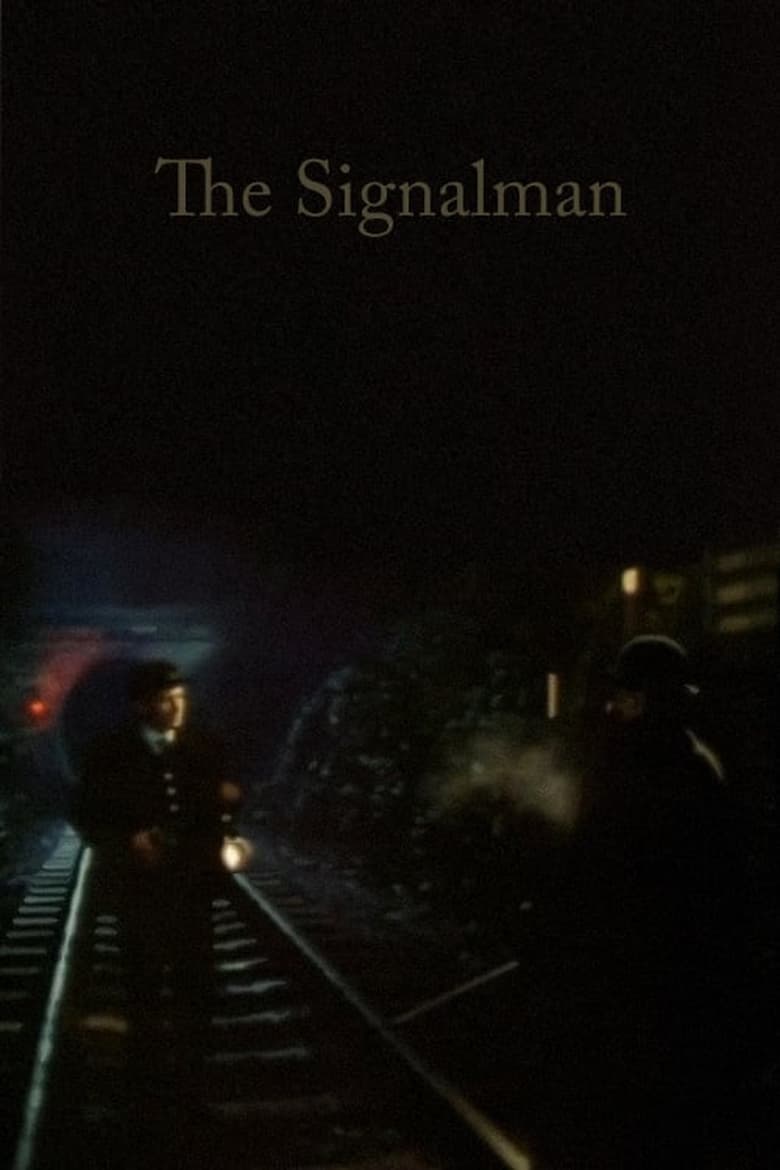
A traveller comes across a signalman stationed by the exit of a railway tunnel in a deep cutting. The traveller becomes familiar with the signalman, and finds that he is troubled by an apparition which appears by the tunnel.
Overall Score
Minimal
Category Breakdown
LGBTQ+ Representation
The narrative is strictly heteronormative. It lacks any presence of queer subtext or non-cisnormative identities, focusing instead on solitary male isolation.
Gender Representation
The film adheres to traditional Victorian hierarchies. It centers almost exclusively on a male protagonist, offering a notable absence of female agency or diverse gender expressions.
Racial & Ethnic Diversity
Casting reflects the historical homogeneity of a Victorian-era railway. The film depicts a predominantly white, Anglo-Saxon working-class environment without disrupting the period's demographics.
Religious & Cultural Diversity
The story follows a standard supernatural trajectory centered on duty and professional responsibility. It lacks significant critiques of Western institutions or traditional morality.
Disability Representation
Psychological trauma and mental instability are used primarily as horror tropes. These elements serve plot tension rather than providing a nuanced exploration of lived neurodivergence.
Strengths
Areas for Improvement
AI Analysis
The Signalman is a traditional supernatural period piece that prioritizes atmospheric dread over social subversion. It functions as a standard genre exercise, mirroring the demographic and social constraints of its Victorian setting. The film relies heavily on established tropes, particularly regarding the male experience and psychological distress. While effective as a horror piece, it does not attempt to expand the narrative beyond the historical homogeneity of its era. Ultimately, the work lacks the intentionality required to challenge social hierarchies or include intersectional identities, remaining firmly within a conventional patriarchal and racial framework.
1971
1973
1968
1973

1973
1973
1986
1973
1998
1973
2013
1975
No reviews yet. Be the first to share your thoughts on this movie!
Use the rating form above to leave a star rating and optional review.