
Prom Night in Mississippi
2009
No user ratings available yet
Diversity score: 7.1 out of 10
No Poster Available
2012
RDirector
Paul Saltzman
Runtime
78 minutes
Average Rating
No ratings yetSynopsis
Filmmaker Paul Saltzman (Prom Night in Mississippi) presents the world premiere of his latest work. A former Civil Rights worker and 1960s activist, Saltzman returns to Mississippi to encounter the man who once assaulted him — Byron "Delay" De La Beckwith, a KKK member and the son of the man convicted of murdering Medgar Evers — in this affecting documentary about racism, the South and the possibility of reconciliation. (TIFF)
Overall Score
Good
Category Breakdown
LGBTQ+ Representation
The film touches on intersectional vulnerability through the filmmaker's personal history of assault. However, the narrative remains primarily focused on racial justice rather than explicit LGBTQ+ identity politics.
Gender Representation
The story operates within a historical framework dominated by male-centric political violence and patriarchal structures. It offers limited subversion of traditional gender hierarchies during the confrontation.
Racial & Ethnic Diversity
This documentary provides a profound examination of racial trauma and systemic oppression in the South. It prioritizes the agency of the Civil Rights movement and the legacy of Medgar Evers.
Religious & Cultural Diversity
The film critiques the oppressive legal and social structures of the Jim Crow South. It challenges the 'Southern honor' mythos by framing white supremacy as a corrupt systemic force.
Disability Representation
There is no significant evidence regarding the portrayal of physical or neurodivergent disabilities within the film.
Strengths
Areas for Improvement
AI Analysis
Paul Saltzman’s documentary is a heavy, necessary interrogation of systemic racism and the legacy of the KKK. By confronting the lineage of white supremacy through the lens of the Medgar Evers murder, the film centers the struggle for racial justice and the possibility of reconciliation. The film excels in its cultural and racial analysis, dismantling historical myths of the South. It treats the history of institutionalized oppression with moral complexity and nuance. However, the narrative is heavily centered on masculine-driven political violence and racial dynamics. This leaves little room for exploring gender hierarchies or explicit LGBTQ+ identity, despite the filmmaker's personal intersectional experiences.
2009

2019

2018

2021
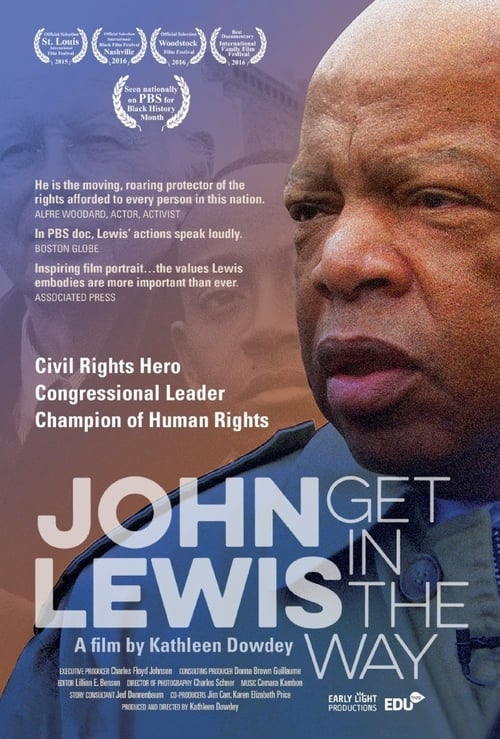
2017

2004

2014

2016
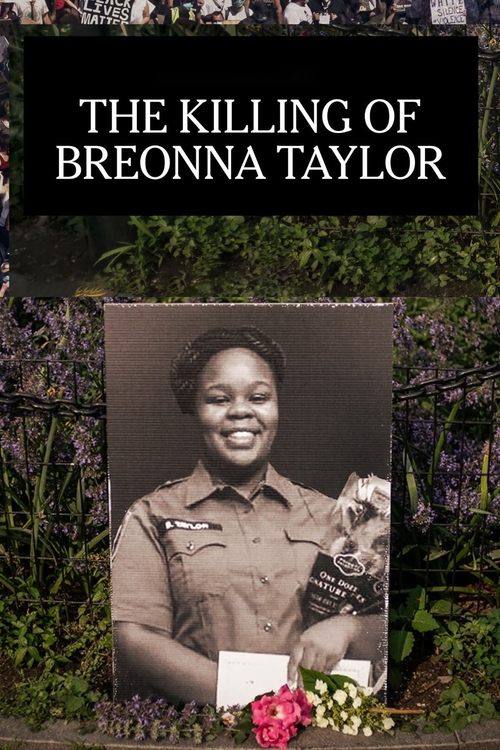
2020

2009
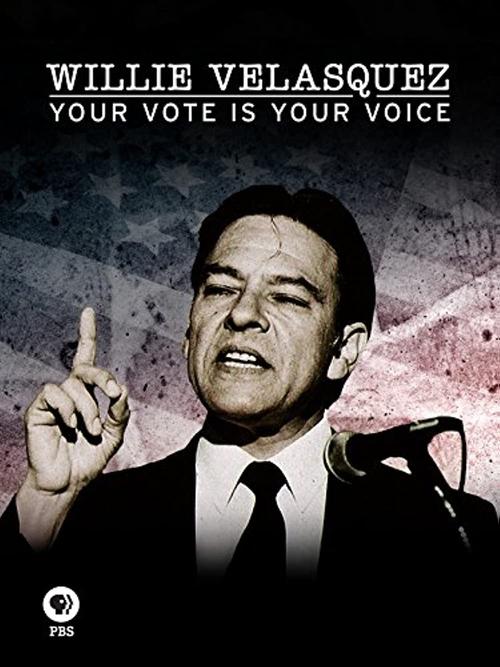
2016

2020
No reviews yet. Be the first to share your thoughts on this movie!
Use the rating form above to leave a star rating and optional review.