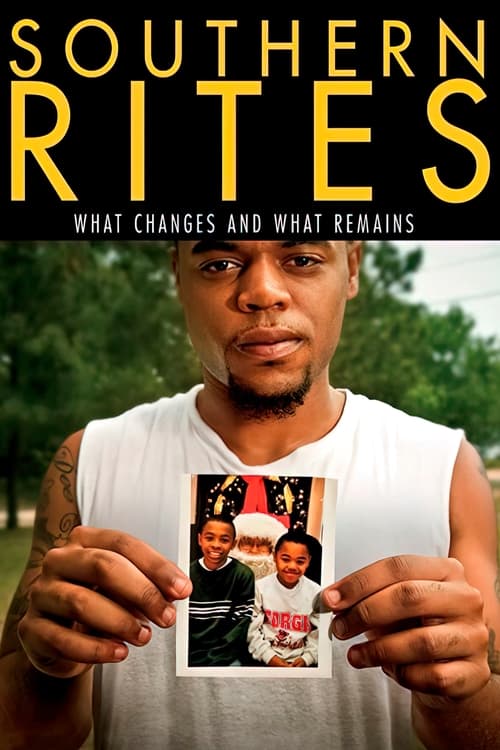
Southern Rites
2015
No user ratings available yet
Representation score: 6.4 out of 10
Representation Score
Fair
2018
TV-MADirector
Ricky Kelly
Runtime
75 minutes
Average Rating
No ratings yetNew Showbiz Analysis
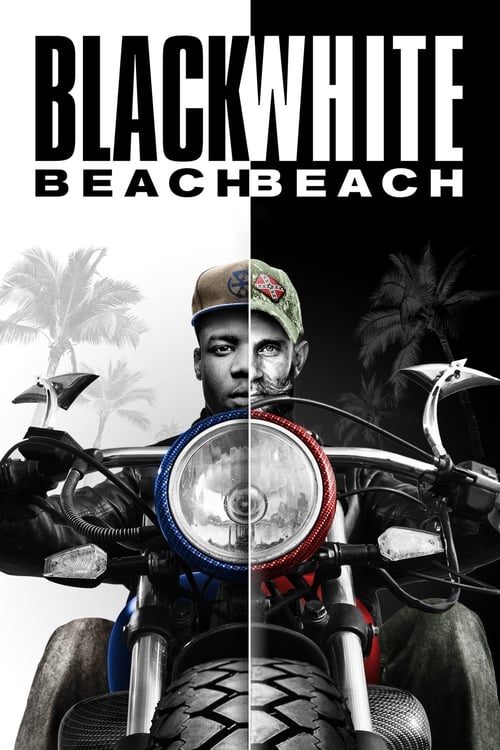
Black Beach/White Beach serves as a significant sociological study of racial the way different parts of someone's identity overlap. It succeeds by deconstructing historical and systemic divides, offering a platform for diverse voices to navigate identity within a historically segregated landscape. The documentary's strength lies in its examination of how racial identity persists and evolves through modern social structures. By exploring opposing viewpoints on segregation and integration, it avoids monolithic portrayals of the community. However, the film's scope is narrow. It lacks explicit focus on LGBTQ+ or disability representation, remaining primarily tethered to the racial and subcultural tensions of the motorcycle festivals.
Category Breakdown
The documentary focuses on race, geography, and motorcycle subculture. There is no explicit evidence regarding the inclusion of LGBTQ+ identities or non-binary gender expressions.
The narrative centers on communal and racial dynamics. While participants likely represent a broad spectrum, the film lacks specific evidence regarding gender-based power dynamics or the subversion of male hierarchies.
The film shows high intentionality by centering the dichotomy between Black and White beach festivals. It provides a platform for characters of color to define their own cultural spaces.
The film disrupts conventional Southern narratives by highlighting friction between local institutions and underrepresented communities. It prioritizes lived experiences over a singular, unified American identity.
There is no discernible evidence regarding the portrayal of visible or invisible disabilities. No specific characters or plot points involving disability are identified.
Present on Screen
Limited or Absent
Official Synopsis
In Myrtle Beach, South Carolina, two national motorcycle festivals are held over the weeks around the Memorial Day Holiday. One festival is primarily white, the other is predominantly black. While bikers of both colors enjoy both festivals; the city, community and state view these two festivals vastly different creating a divide among the participants, business owners and residents. Against the backdrop of the historical relevance of the area's segregated past, this documentary explores the opposing viewpoints on segregation and integration, mutual love of motorcycle culture, and racial tensions that reach a boiling point every spring in this southern beach mecca.
2015
2012
2017
2017
2014
2016

2019
2017
No reviews yet. Be the first to share your thoughts on this movie!
Use the rating form above to leave a star rating and optional review.