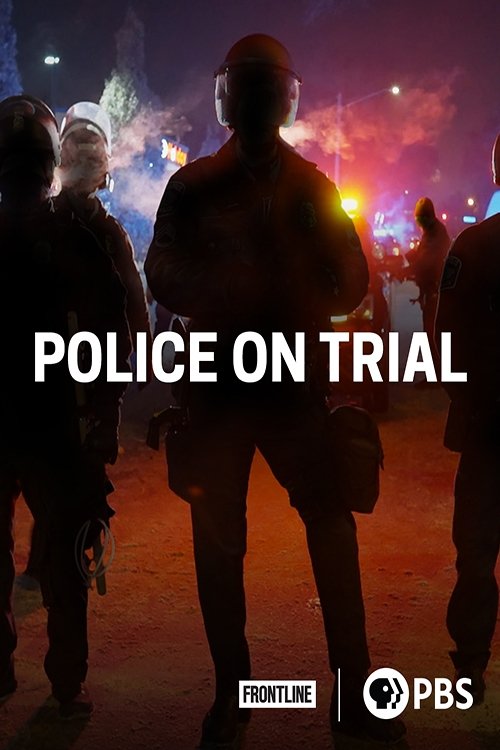
Police on Trial
2022
No user ratings available yet
Representation score: 6.3 out of 10

Representation Score
Fair
2021
PG-13Director
Stephen Janis
Runtime
77 minutes
Average Rating
No ratings yetNew Showbiz Analysis
The documentary excels by highlighting the ability to act of characters of color through Kelvin Sewell's leadership and exploring the tension between progressive reforms and established systems. By focusing on Sewell's journey from Baltimore to Pocomoke City, the film offers a thorough examination of how Black leadership challenges historically white-dominated institutions. However, the film's scope is limited to male-dominated professional hierarchies, which restricts the exploration of gendered power dynamics and excludes other identities, such as LGBTQ+ individuals. Ultimately, the film is a compelling study of institutional resistance to racial progress, even though it does not cover other social dimensions broadly.
Category Breakdown
The film does not include any explicit references to LGBTQ+ characters or stories. It focuses mainly on racial and professional dynamics within the town.
The story centers on male-dominated law enforcement and municipal structures without providing detailed character arcs or challenging gendered power dynamics.
Kelvin Sewell is portrayed as an active force for change rather than just a subject of scrutiny. The film delves into how race intersects with authority in a predominantly white environment.
The documentary questions traditional Western institutional norms by highlighting existing police hierarchies as sources of conflict. It emphasizes community-based cooperation over top-down state power.
There is no indication that disability, neurodivergence, or mental health conditions are part of the narrative or character development.
Present on Screen
Limited or Absent
Official Synopsis
In 2011, Pocomoke City a small town on Maryland's Lower Eastern Shore hired Kelvin Sewell, its first African-American police chief. Sewell, a former Baltimore city homicide investigator and narcotics officer had grown tired of the aggressive tactics used by the Baltimore Police Department...particularly those targeting black communities. Determined to deploy a different approach to law enforcement, Sewell implemented an intensive community policing plan. He and his officers parked their cars and walked the streets. Sewell's system worked: crime plummeted. Residents both black and white became ardent supporters of Sewell's new paradigm of policing. But a conflict was brewing; an ongoing dispute over racial discrimination engulfed Sewell and his officers in a battle that would not only cost them their jobs and professional reputations, but would thrust them into an emotional legal battle that would touch all segments of the community.
2022
2012

2017
2015
2020
2002
2017
2019
No reviews yet. Be the first to share your thoughts on this movie!
Use the rating form above to leave a star rating and optional review.