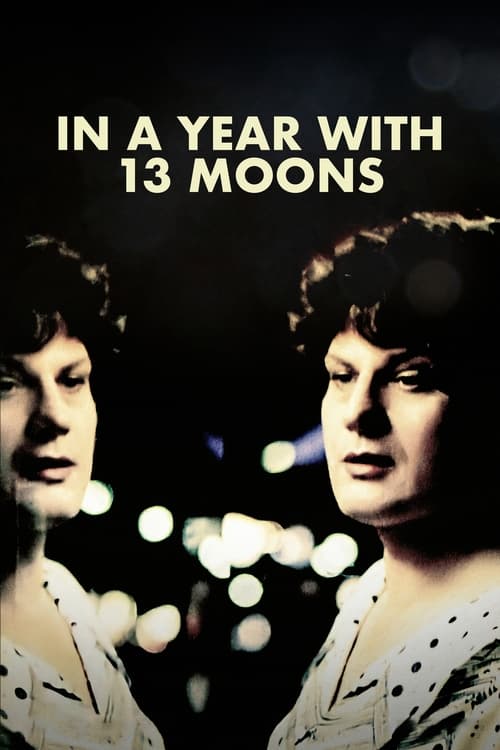
In a Year with 13 Moons
1978
No user ratings available yet
Representation score: 8.5 out of 10

Representation Score
Fair
1972
RDirector
John Dexter
Runtime
91 minutes
Average Rating
No ratings yetNew Showbiz Analysis
I Want What I Want stands out for its progressive approach to gender identity during its time. By centering the story on a character's transition and the performance of femininity, the film challenges the rigid social structures of the early 1970s. However, the film is constrained by its narrow demographic focus, featuring a predominantly white, upper-class European cast and setting the story in high-society London. This results in a lack of racial and ethnic diversity. Ultimately, the film explores themes of identity and social subversion, excelling at deconstructing gendered roles while remaining confined within a specific, privileged Western social class.
Category Breakdown
The film focuses on a protagonist who transitions from a male identity to living as a woman, highlighting the challenges and opportunities of expressing non-traditional gender identities. It emphasizes the importance of personal choice and self-expression in a society that often assumes everyone is straight or cisgender.
The movie challenges traditional notions of masculinity by depicting a protagonist who uses her social and sexual influence to navigate and subvert patriarchal norms. She is shown to have significant control over her life and the lives of those around her, rather than being bound by conventional male authority.
The cast is primarily composed of white, upper-class Europeans, with the story set in high-society London. This limits the representation of different races and ethnicities, creating a homogeneous environment.
The film questions traditional moral values through the lens of a courtesan lifestyle. It highlights individual desires and moral relativism over conventional religious or familial values.
There is no evidence of characters with visible or invisible disabilities playing a central role in the narrative or serving as key plot devices.
Present on Screen
Limited or Absent
Official Synopsis
Roy leaves his abusive father's house and starts life anew as a woman, named Wendy. Through trial and error, she learns the skills and consequences of being a woman.
1978
1970
1977

1997

1993

2022

1977
1977
No reviews yet. Be the first to share your thoughts on this movie!
Use the rating form above to leave a star rating and optional review.